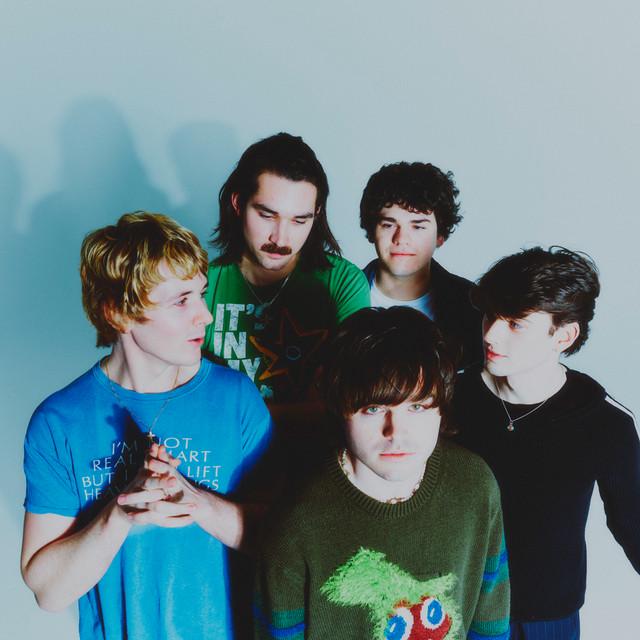
Dirty Nice

R&B
Neo Soul
Indie Pop
 Viberate Rank: 60200
 Viberate Rank: 60200
 Monthly ListenersFollowers
 Subscribers
 Followers
 Followers
 FansTop Spotify Songs
| Track | 7-Day Streams | |
|---|---|---|
1 | 38.43K | |
2 | 9.23K | |
3 | 6.79K | |
4 | 4.96K | |
5 | 4.03K |
Top YouTube VideosMonthly ListenersFeatured in Playlists| Playlist | Followers | |
|---|---|---|
1 |  Your Girlfriend's Mixtape mager | 46.74K |
2 |  indie cassette Out Of My Mind | 41.58K |
3 |  Gran Turismo 7 PlayStation®️ | 36.02K |
4 |  Big Desk Energy Tyler Denk | 25.87K |
5 |  Discover Daily 12184401388 | 18.48K |
Audience| City | Monthly Listeners | |
|---|---|---|
1 |  | 2.27K |
2 | | 2.00K |
3 | | 1.82K |
4 | | 1.77K |
5 |  | 1.61K |
See full performance history, audience data, playlist activity, rankings, comparisons, and more in Viberate music analytics. Start with a free trial, then continue with a paid plan.
Dirty Nice’s Spotify BioFew bands manage to blur the lines between music, art, and escapism quite like Dirty Nice. Currently split between London and Lisbon, they’ve been building a cult following with their unique brand of surrealist "cartoon-pop" - the combined forces of animation and indie music wild at play. On their third album, they throw open the gates to Planet Weekend (23rd May, Chiverin Records), an amusement park inspired by 90s television adverts, their most ambitious project yet.
Led by the inventive duo of Charlie Pelling and Mark Thompson, Dirty Nice have a knack for pulling you into their oddball world. Known for their self-made animations as well as their music, they’ve created a multi-sensory experience online that’s as much about the visuals as it is the hooks. Think MGMT’s day-glo pop meets the Flaming Lips’ psychedelic theatrics, but with a distinctly British eccentricity that also draws inspiration from Charlie’s time composing for Don’t Hug Me I’m Scared.
Although Planet Weekend sees them… reaching new heights; earlier albums, Surrenderland (2023) and Lobster (2021), already hinted at their potential. Earworms like SHARK!, which made its way onto the BBC Radio 1 playlist, and ‘This Is Gonna Hurt’, which Chris Hawkins uses as his audio-bed most days on 6 Music, showcased their knack for crafting earworms; while Rolling Stone, DIY, MTV and The Line of Best Fit also praised their surreal, otherworldly charm.
Photo credit: Will Elsom
Viberate is a music analytics platform built for A&Rs, artist managers, labels, booking agents, marketers, and artists.
It helps music professionals track artist growth, analyze audience data, monitor playlist activity, compare artists, follow song performance, and identify opportunities across the music market.
Public artist pages provide a free preview of selected artist data. Paid plans provide access to deeper analytics, historical data, charts, comparisons, playlist tools, exports, alerts, reports, and additional professional features.
Yes. Public Viberate artist pages provide selected artist analytics and music data for free.
Viberate also offers a 7-day free trial of the full platform. A credit card is required to start the trial. The trial includes access to the complete product so users can test deeper artist analytics, historical views, playlist insights, comparisons, charts, exports, alerts, and reporting features before choosing a paid plan.
Viberate provides artist analytics across streaming, playlists, social media, video, radio airplay, songs, and audience markets.
Users can analyze Spotify performance, Spotify and Apple Music playlists, YouTube activity, TikTok and Instagram growth, radio spins, song performance, audience locations, demographics, rankings, and overall artist momentum.
Artist profiles also connect to music charts, similar artists, and comparison tools, helping users benchmark performance and evaluate artists in context.
Viberate updates key artist and track data daily.
For followed artists and tracks, selected data is refreshed multiple times per day. This helps teams monitor playlist changes, streaming movement, audience growth, releases, and campaign performance with more current data.
Update frequency can vary depending on the metric and data source.
Yes. Viberate lets users compare up to five artists side by side across streaming, social media, audience, and engagement metrics.
Users can compare fanbase growth, audience demographics, locations, Spotify performance, social metrics, and other artist data over selected time periods.
Artist comparison can be used for A&R scouting, benchmarking, booking decisions, campaign planning, and evaluating artists with similar audiences or market positions.