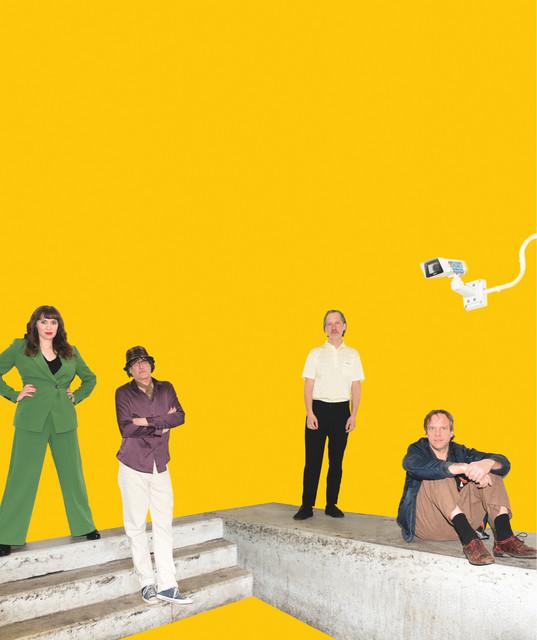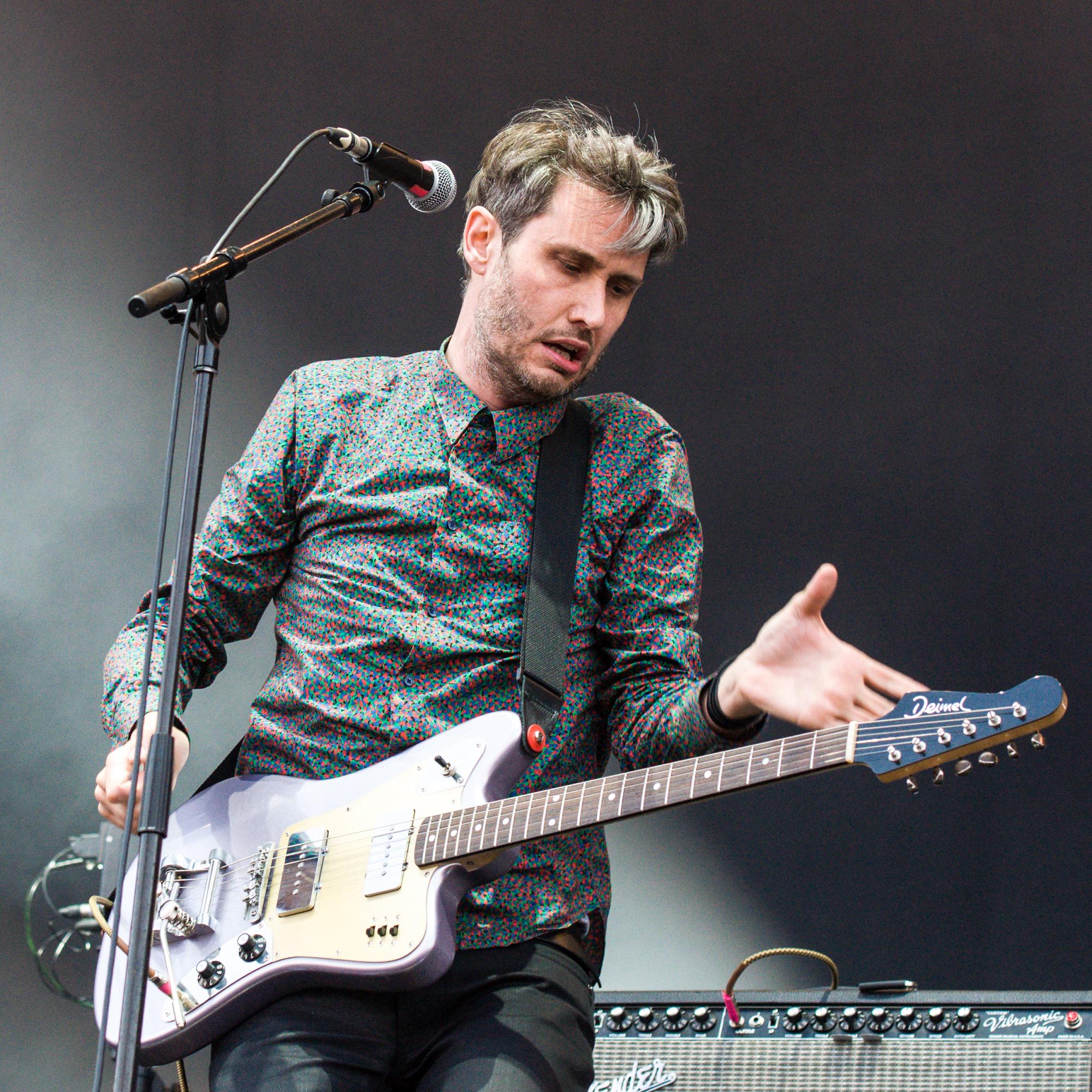
Dirk von Lowtzow

Rock
Indie Rock
Folk Rock
 Viberate Rank: 295987
 Viberate Rank: 295987
 Monthly ListenersFollowers
 Subscribers
 Followers
 Followers
 FansTop Spotify Songs
| Track | 7-Day Streams | |
|---|---|---|
1 | 6.66K | |
2 | 1.73K | |
3 | 1.07K | |
4 | 906 | |
5 | 906 |
Top YouTube VideosMonthly ListenersFeatured in Playlists| Playlist | Followers | |
|---|---|---|
1 |  New Music Friday Deutschland Spotify | 939.44K |
2 |  Fidi & Bumsi Spotify | 353.23K |
3 |  This Is Beatsteaks Spotify | 27.15K |
4 |  Muss ich das hören? Spotify | 18.11K |
5 |  NACHTSCHICHT - eine Playlist von Moses Pelham Moses Pelham | 11.90K |
Audience| City | Monthly Listeners | |
|---|---|---|
1 | | 1.91K |
2 | | 897 |
3 | | 581 |
4 | | 552 |
5 | | 502 |
See full performance history, audience data, playlist activity, rankings, comparisons, and more in Viberate music analytics. Start with a free trial, then continue with a paid plan.
Dirk von Lowtzow’s Spotify BioDirk von Lowtzow, geboren 1971 in Offenburg/Baden, gründete 1993 in Hamburg die Rockband Tocotronic gemeinsam mit Arne Zank und Jan Müller. Seit 1995 erschienen 13 Tocotronic-Alben, zuletzt 2022 das Album »Nie wieder Krieg«. Von 1999 bis 2014 zudem fünf Alben mit dem experimentellen Duo Phantom Ghost, gemeinsam mit Thies Mynther. Seit 1999 ist Dirk von Lowtzow auch als Kunstkritiker tätig. Zahlreiche Katalogbeiträge und Kritiken, vornehmlich in der Zeitschrift Texte zur Kunst. 2015 brachte er zusammen mit dem Dramatiker und Regisseur René Pollesch die Oper »Von einem der auszog, weil er sich die Miete nicht mehr leisten konnte« an der Berliner Volksbühne heraus. Er komponiert Theater- und Filmmusiken, zuletzt für den international erfolgreichen Film »Styx« von Wolfgang Fischer und wirkt bei Hörspiel- und Hörbuchproduktionen mit (u.a. »Tryptichon« von Christian Kracht). Zuletzt erschien sein erstes Buch „Aus dem Dachsbau“ (2019 via Kiwi) in dem er in literarischen Miniaturen den Raum,… die Erinnerung und die Zeit durchquert. Aus scheinbar zufällig angeordneten alphabetischen Einträgen entsteht ein so feinsinniges wie anspielungsreiches Mosaik, das zugleich literarische Erzählung und Porträt des Autors zu sein vermag.
Viberate is a music analytics platform built for A&Rs, artist managers, labels, booking agents, marketers, and artists.
It helps music professionals track artist growth, analyze audience data, monitor playlist activity, compare artists, follow song performance, and identify opportunities across the music market.
Public artist pages provide a free preview of selected artist data. Paid plans provide access to deeper analytics, historical data, charts, comparisons, playlist tools, exports, alerts, reports, and additional professional features.
Yes. Public Viberate artist pages provide selected artist analytics and music data for free.
Viberate also offers a 7-day free trial of the full platform. A credit card is required to start the trial. The trial includes access to the complete product so users can test deeper artist analytics, historical views, playlist insights, comparisons, charts, exports, alerts, and reporting features before choosing a paid plan.
Viberate provides artist analytics across streaming, playlists, social media, video, radio airplay, songs, and audience markets.
Users can analyze Spotify performance, Spotify and Apple Music playlists, YouTube activity, TikTok and Instagram growth, radio spins, song performance, audience locations, demographics, rankings, and overall artist momentum.
Artist profiles also connect to music charts, similar artists, and comparison tools, helping users benchmark performance and evaluate artists in context.
Viberate updates key artist and track data daily.
For followed artists and tracks, selected data is refreshed multiple times per day. This helps teams monitor playlist changes, streaming movement, audience growth, releases, and campaign performance with more current data.
Update frequency can vary depending on the metric and data source.
Yes. Viberate lets users compare up to five artists side by side across streaming, social media, audience, and engagement metrics.
Users can compare fanbase growth, audience demographics, locations, Spotify performance, social metrics, and other artist data over selected time periods.
Artist comparison can be used for A&R scouting, benchmarking, booking decisions, campaign planning, and evaluating artists with similar audiences or market positions.