Dionne Farris

R&B
Contemporary R&B
Neo Soul
Alternative Hip Hop
 Viberate Rank: 77222
 Viberate Rank: 77222
 Monthly ListenersFollowers
 Subscribers
 Followers
 Followers
 FansTop Spotify Songs
| Track | 7-Day Streams | |
|---|---|---|
1 | 42.91K | |
2 | 17.00K | |
3 | 4.06K | |
4 | 2.25K | |
5 | 1.54K |
Top YouTube VideosMonthly ListenersFeatured in Playlists| Playlist | Followers | |
|---|---|---|
1 |  90s Road Trip Spotify | 1.40M |
2 |  Film & TV Favorites: 90s Black Cinema Spotify | 954.37K |
3 |  I Love My Neo-Soul Spotify | 614.82K |
4 |  Chessy’s Denim Shirt in The Parent Trap emfelhern | 167.11K |
5 | The “I’m a Millennial” Cleaning Playlist ✨ Loni Hanson | 71.23K |
Audience| City | Monthly Listeners | |
|---|---|---|
1 | | 2.88K |
2 |  | 2.55K |
3 | | 2.36K |
4 | | 2.28K |
5 | | 1.97K |
See full performance history, audience data, playlist activity, rankings, comparisons, and more in Viberate music analytics. Start with a free trial, then continue with a paid plan.
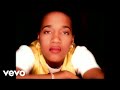
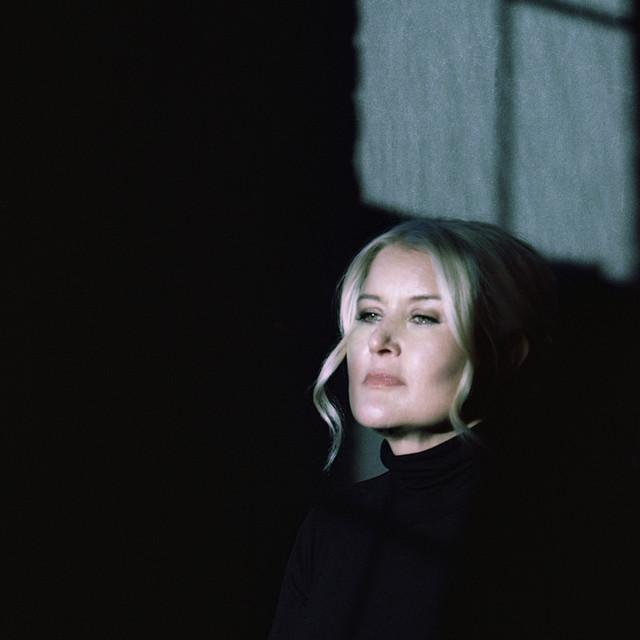
Dionne Farris’ Spotify BioDionne Farris came to the attention of the music world with her vocal contributions to Arrested Development's breakthrough hit single "Tennessee," plus other tracks on the group's 1992 debut. Farris started singing in high school, performing in her school's choir in Bordentown, New Jersey and starring in a production of Annie. From there, she sang on Manhattan's club circuit, both solo and with a female vocal group called Onyx, but grew frustrated in her late teens. She moved to Atlanta to live with her father in 1990 and started dating drummer Rasha Don, an early member of Arrested Development. The group was looking for a female singer, and while joining a band didn't fit Farris' plans, she had nothing better to do. Farris was never really an official member of Arrested Development, characterizing herself more as part of its extended family. After "Tennessee" broke, Farris got enough media attention to cause personal conflicts with bandleader Speech, and she split from the group in… 1993. Chrysalis, Arrested Development's record company, was willing to offer her a solo deal, but Farris took a gamble and rejected it, hoping for more artistic control than Chrysalis wanted to give her. She contacted David Harris and Milton Davis, former members of funk-rock band Follow for Now, and she and guitarist Harris began to collaborate on material. Her demo made its way to Columbia, and her solo debut, Wild Seed -- Wild Flower, was released in the summer of 1994, spawning the hit single "I Know."
Two years later, Farris' recording of the Van Hunt song "Hopeless" also broke through after it was included on the soundtrack to the film Love Jones. Buoyed by the reception, demand was high for a full-length follow-up. However, creative differences between Farris and Columbia led to her sophomore album going unreleased. A protracted contract dispute followed and Farris was eventually released from her contract. Rather than actively seek out a new label, Farris instead left the music industry altogether and focused on raising her daughter, whom she home-schooled.
Although she had left the industry, Farris never completely gave up performing and eventually regained her inspiration while singing in church. In 2007, she finally released her long-delayed sophomore album, For Truth if Not Love, featuring the single "Stuck in the Middle." She also founded her own independent record label, Free & Clear, and in 2011, she digitally released her third full-length album, Signs of Life.
Two years later, Farris joined jazz trumpeter Russell Gunn for Dionne Get Your Gunn: Featuring the Russell Gunn Quartet with Dionne Farris. She then collaborated with guitarist Charlie Hunter on the 2014 duo album DionneDionne. An homage to legendary R&B singer Dionne Warwick, the album featured stripped-down versions of such classic Warwick numbers as "Always Something There to Remind Me" and "Walk on By." ~ Steve Huey
Viberate is a music analytics platform built for A&Rs, artist managers, labels, booking agents, marketers, and artists.
It helps music professionals track artist growth, analyze audience data, monitor playlist activity, compare artists, follow song performance, and identify opportunities across the music market.
Public artist pages provide a free preview of selected artist data. Paid plans provide access to deeper analytics, historical data, charts, comparisons, playlist tools, exports, alerts, reports, and additional professional features.
Yes. Public Viberate artist pages provide selected artist analytics and music data for free.
Viberate also offers a 7-day free trial of the full platform. A credit card is required to start the trial. The trial includes access to the complete product so users can test deeper artist analytics, historical views, playlist insights, comparisons, charts, exports, alerts, and reporting features before choosing a paid plan.
Viberate provides artist analytics across streaming, playlists, social media, video, radio airplay, songs, and audience markets.
Users can analyze Spotify performance, Spotify and Apple Music playlists, YouTube activity, TikTok and Instagram growth, radio spins, song performance, audience locations, demographics, rankings, and overall artist momentum.
Artist profiles also connect to music charts, similar artists, and comparison tools, helping users benchmark performance and evaluate artists in context.
Viberate updates key artist and track data daily.
For followed artists and tracks, selected data is refreshed multiple times per day. This helps teams monitor playlist changes, streaming movement, audience growth, releases, and campaign performance with more current data.
Update frequency can vary depending on the metric and data source.
Yes. Viberate lets users compare up to five artists side by side across streaming, social media, audience, and engagement metrics.
Users can compare fanbase growth, audience demographics, locations, Spotify performance, social metrics, and other artist data over selected time periods.
Artist comparison can be used for A&R scouting, benchmarking, booking decisions, campaign planning, and evaluating artists with similar audiences or market positions.