Dio

Metal
Heavy Metal
Hard Rock
 Viberate Rank: 5785
 Viberate Rank: 5785
 Monthly ListenersFollowers
 Subscribers
 Followers
 Followers
 FansTop Spotify Songs
| Track | 7-Day Streams | |
|---|---|---|
1 | 727.14K | |
2 | 713.12K | |
3 | 192.22K | |
4 | 134.29K | |
5 | 115.35K |
Top YouTube VideosMonthly ListenersFeatured in Playlists| Playlist | Followers | |
|---|---|---|
1 |  80s Rock Anthems Spotify | 4.10M |
2 |  Metal Essentials Spotify | 3.74M |
3 |  80s Hard Rock Spotify | 2.35M |
4 |  Heavy Metal Spotify | 1.42M |
5 |  Classic Rock Workout Spotify | 863.17K |
Audience| City | Monthly Listeners | |
|---|---|---|
1 |  | 62.11K |
2 |  | 48.08K |
3 | | 25.23K |
4 |  | 24.96K |
5 |  | 24.70K |
See full performance history, audience data, playlist activity, rankings, comparisons, and more in Viberate music analytics. Start with a free trial, then continue with a paid plan.
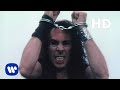
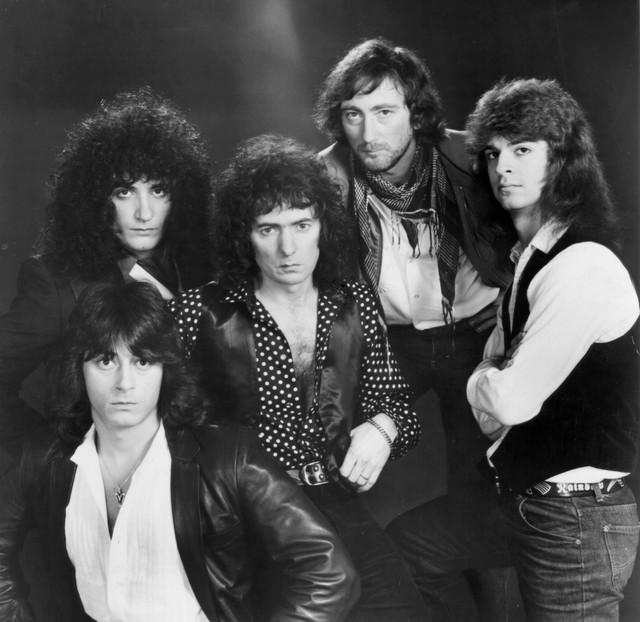
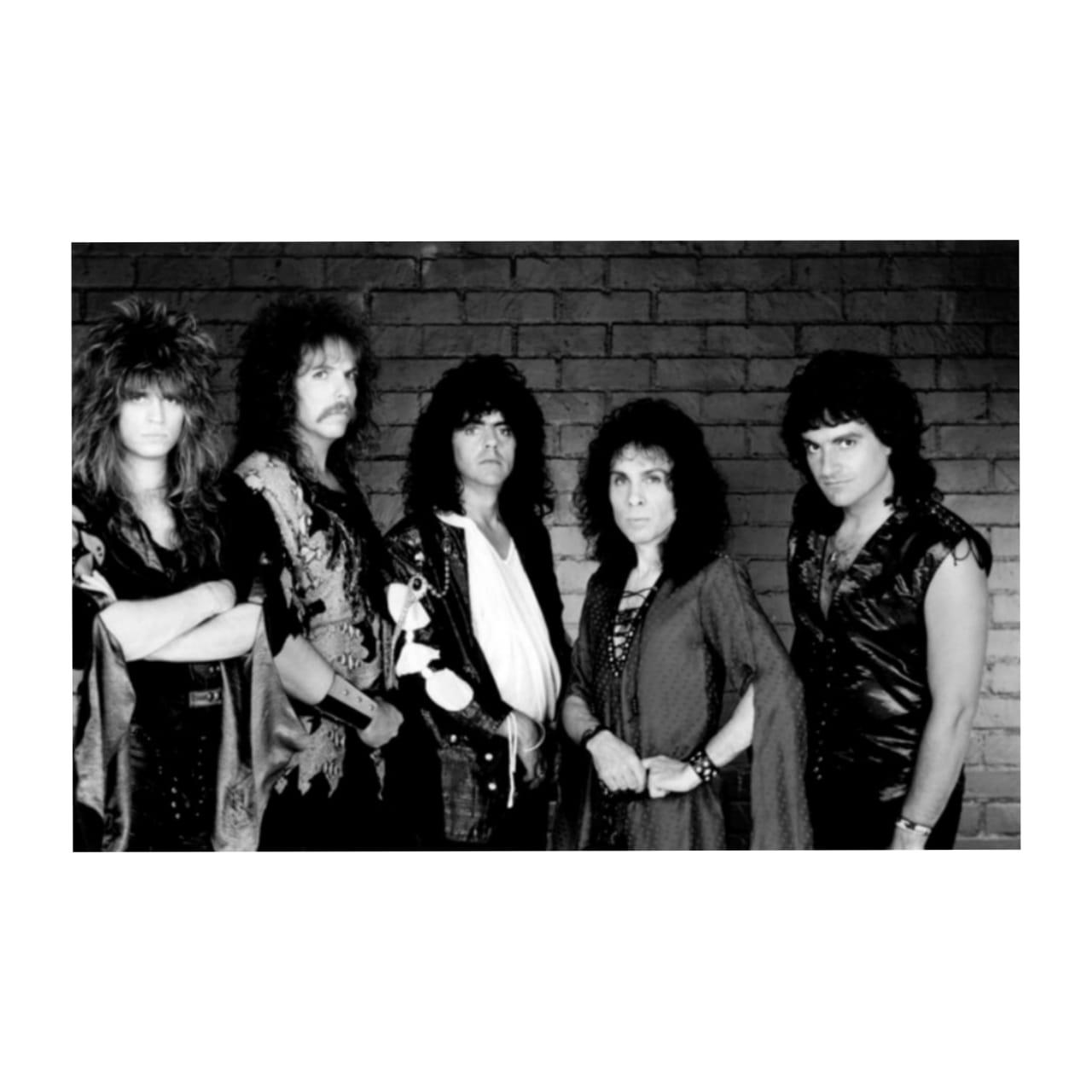
Dio’s Spotify BioFor a brief spell during the mid-'80s, the heavy metal quintet Dio were one of the top U.S. concert attractions, boasting one of the most over the top stage acts of its time loaded with props and special effects (lasers, explosions, a giant dragon, etc.). The group's leader was singer Ronnie James Dio, who had previously become acquainted with the metal masses as the frontman of Ritchie Blackmore's Rainbow from 1975-1978 and Black Sabbath from 1979-1982. Come the early '80s, Ronnie James was ready to finally head out on his own, forming Dio and recruiting a stellar backing band, consisting of a few former bandmembers, ex-Rainbow bassist Jimmy Bain and ex-Black Sabbath drummer Vinny Appice (Carmine Appice's brother), in addition to ex-Sweet Savage guitar shredder Vivian Campbell. Lyrically, the group would retain the same subject matter that Ronnie James specialized in with his previous outfits (dungeons and dragons, swords and sorcery, damsels in distress, etc.), but musically, Dio… were more melodically based than Rainbow or Sabbath. The group scored a hit right off the bat with its 1983 debut release, Holy Diver, which spawned such popular MTV videos as "Rainbow in the Dark," as well as its title track.
For their sophomore effort, 1984's The Last in Line, the band expanded its lineup to include keyboardist Claude Schnell, as the album would become the biggest hit of Dio's career (on the strength of another MTV-approved video, for the album's anthemic title track) and the group became an arena headliner. Although Dio's next release, 1985's Sacred Heart, was commercially successful, Campbell had become disillusioned by the group's direction and split from the group a year later. Just prior to Campbell's exit, the entire Dio band helped organize Hear n' Aid, an all-star assembly of heavy metal artists that recorded a track called "Stars," which helped fight world hunger (a subsequent album was issued as well, collecting previously unreleased live tracks from a few of the day's top hard rock acts). Former Giuffria guitarist Craig Goldy took Campbell's place, resulting in such releases as 1986's live EP Intermission and 1987's Dream Evil, which retained the group's headbanging audience, but failed to expand upon it as its previous releases had.
By 1990's Lock Up the Wolves, Ronnie James Dio was the only original member of Dio left in attendance as the band's lineup continued to fluctuate throughout the '90s on such releases as 1994's Strange Highways, 1996's Angry Machines, and 1998's Inferno: Last in Live (Ronnie James took a brief break from Dio in 1992 to rejoin Black Sabbath for a lone release, Dehumanizer). In 2000, a pair of Dio releases emerged; first was Dio's first new studio album in four years, the concept album Magica (which saw past members Bain and Goldy return to the group), as well as a 16-track compilation titled The Very Beast of Dio. His medieval-themed metal returned two years later, when the Killing the Dragon album arrived in the spring of 2002. The album was a serious endeavor, but Dio also learned to make fun of his image after years of defending it, inviting comedy duo Tenacious D to star in the video for "Push" and even including the clip on the fall re-release of Killing the Dragon.
In the mid-2000s Dio the man and the band returned with the studio album Master of the Moon and the live Evil or Divine, but by 2006 the band had been sidelined upon the announcement that Ronnie James would be joining Heaven & Hell, a group reuniting the singer with his late-era Sabbath brethren Tony Iommi, Geezer Butler, and Vinny Appice and named after the first Sabbath recording (released in 1980) that featured him as frontman. Heaven & Hell toured in the late 2000s and released a live (Live from Radio City Music Hall) and a studio (Devil You Know) recording, but by November of 2009 it was announced that the singer was suffering from stomach cancer, and Heaven & Hell subsequently canceled their summer 2010 touring plans. Ronnie James Dio succumbed to the disease on May 16, 2010, in Houston, TX. ~ Greg Prato, Rovi
Viberate is a music analytics platform built for A&Rs, artist managers, labels, booking agents, marketers, and artists.
It helps music professionals track artist growth, analyze audience data, monitor playlist activity, compare artists, follow song performance, and identify opportunities across the music market.
Public artist pages provide a free preview of selected artist data. Paid plans provide access to deeper analytics, historical data, charts, comparisons, playlist tools, exports, alerts, reports, and additional professional features.
Yes. Public Viberate artist pages provide selected artist analytics and music data for free.
Viberate also offers a 7-day free trial of the full platform. A credit card is required to start the trial. The trial includes access to the complete product so users can test deeper artist analytics, historical views, playlist insights, comparisons, charts, exports, alerts, and reporting features before choosing a paid plan.
Viberate provides artist analytics across streaming, playlists, social media, video, radio airplay, songs, and audience markets.
Users can analyze Spotify performance, Spotify and Apple Music playlists, YouTube activity, TikTok and Instagram growth, radio spins, song performance, audience locations, demographics, rankings, and overall artist momentum.
Artist profiles also connect to music charts, similar artists, and comparison tools, helping users benchmark performance and evaluate artists in context.
Viberate updates key artist and track data daily.
For followed artists and tracks, selected data is refreshed multiple times per day. This helps teams monitor playlist changes, streaming movement, audience growth, releases, and campaign performance with more current data.
Update frequency can vary depending on the metric and data source.
Yes. Viberate lets users compare up to five artists side by side across streaming, social media, audience, and engagement metrics.
Users can compare fanbase growth, audience demographics, locations, Spotify performance, social metrics, and other artist data over selected time periods.
Artist comparison can be used for A&R scouting, benchmarking, booking decisions, campaign planning, and evaluating artists with similar audiences or market positions.