Dinosaur Feathers

Pop
Indie Pop
Contemporary R&B
 Viberate Rank: 413294
 Viberate Rank: 413294
 Monthly ListenersFollowers
 Subscribers
 Followers
 Followers
 FansTop Spotify Songs
| Track | 7-Day Streams | |
|---|---|---|
1 | 539 | |
2 | 168 | |
3 | 45 | |
4 | 33 | |
5 | 32 |
Top YouTube VideosMonthly ListenersFeatured in Playlists| Playlist | Followers | |
|---|---|---|
1 | While You Work (@whileyouwork) Eli Feghali | 81.75K |
2 | wicks Brennan McDowell | 43.73K |
3 | Wicks - Brennan McDowell Chad Hillman | 5.66K |
4 | HAPPY SONGS FOR SAD DAYS by pixelbox el_tejo | 5.30K |
5 |  Indie That Hits Right @tomwardofficial | 4.86K |
Audience| City | Monthly Listeners | |
|---|---|---|
1 | | 60 |
2 | | 49 |
3 | | 46 |
4 | | 43 |
5 | | 35 |
See full performance history, audience data, playlist activity, rankings, comparisons, and more in Viberate music analytics. Start with a free trial, then continue with a paid plan.
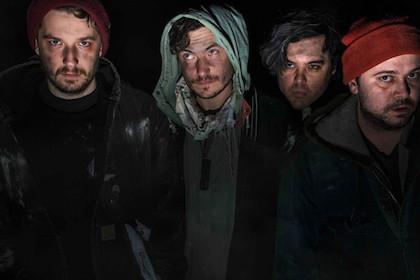
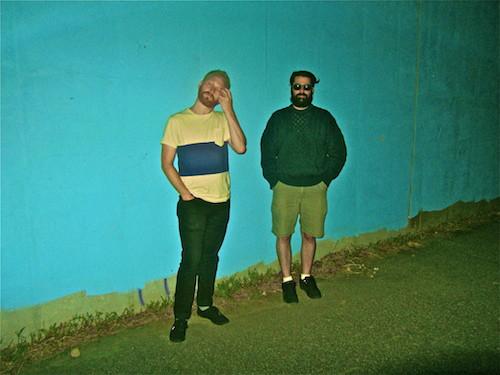
Dinosaur Feathers’ Spotify BioBrooklyn-based indie pop purveyors Dinosaur Feathers synthesize African, Brazilian, and retro-pop influences into their own sunshine-soaked sonics. The project began in summer 2008 as a solo outing for singer/guitarist/drum machine player Greg Sullo to reimagine the sounds of the Beatles and Os Mutantes with modern technology, but grew as keyboardist/singer (and Sullo's college a cappella bandmate) Derek Zimmerman offered to serve as harmony vocalist, and the group was rounded out with bassist Adam Fetcher (who was later replaced with Ryan Michael Kiley). Dinosaur Feathers slowly built their network and fan base and made their recorded debut in 2009 with the Family Records single Know Your Own Strength, followed that August by the self-released Early Morning Risers EP, which they offered for free on their website. Its layered vocals, warm guitar, and globally flavored rhythms -- along with a rigorous performance schedule around New York -- put the band on the map and earned them… "hardest working band in Brooklyn" honors from earfarm.com. Their self-released first full-length, Fantasy Memorial, arrived the following March as the band embarked on their first U.S. tour and performed at the SXSW, CMJ, Sasquatch!, and Treefort music festivals. Later in the year, Dinosaur Feathers refreshed their sound with the addition of live drummer Nick Brooks, and the band traveled to Oakland the following year to record their sophomore album with Eli Crews (Deerhoof, tUnE-yArDs, Thao and Mirah). The band started 2012 on a sour note as their equipment was stolen, but a benefit mixtape helped soften the blow. That April, follow-up LP Whistle Tips arrived on the Ernest Jenning Record Co. label. Third album Control materialized in late 2014, its soulful pop tunes inspired directly by a phase of adoration and awe for Janet Jackson. ~ Chrysta Cherrie, Rovi
Viberate is a music analytics platform built for A&Rs, artist managers, labels, booking agents, marketers, and artists.
It helps music professionals track artist growth, analyze audience data, monitor playlist activity, compare artists, follow song performance, and identify opportunities across the music market.
Public artist pages provide a free preview of selected artist data. Paid plans provide access to deeper analytics, historical data, charts, comparisons, playlist tools, exports, alerts, reports, and additional professional features.
Yes. Public Viberate artist pages provide selected artist analytics and music data for free.
Viberate also offers a 7-day free trial of the full platform. A credit card is required to start the trial. The trial includes access to the complete product so users can test deeper artist analytics, historical views, playlist insights, comparisons, charts, exports, alerts, and reporting features before choosing a paid plan.
Viberate provides artist analytics across streaming, playlists, social media, video, radio airplay, songs, and audience markets.
Users can analyze Spotify performance, Spotify and Apple Music playlists, YouTube activity, TikTok and Instagram growth, radio spins, song performance, audience locations, demographics, rankings, and overall artist momentum.
Artist profiles also connect to music charts, similar artists, and comparison tools, helping users benchmark performance and evaluate artists in context.
Viberate updates key artist and track data daily.
For followed artists and tracks, selected data is refreshed multiple times per day. This helps teams monitor playlist changes, streaming movement, audience growth, releases, and campaign performance with more current data.
Update frequency can vary depending on the metric and data source.
Yes. Viberate lets users compare up to five artists side by side across streaming, social media, audience, and engagement metrics.
Users can compare fanbase growth, audience demographics, locations, Spotify performance, social metrics, and other artist data over selected time periods.
Artist comparison can be used for A&R scouting, benchmarking, booking decisions, campaign planning, and evaluating artists with similar audiences or market positions.