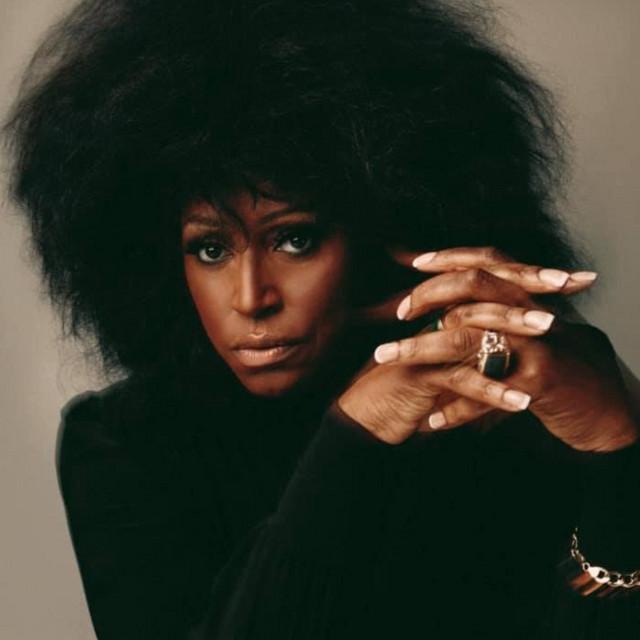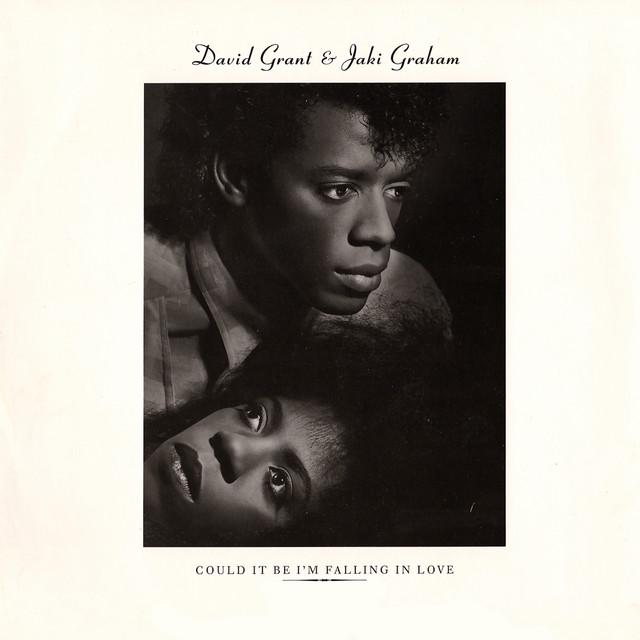
Dina Carroll

Pop
Mainstream Pop
House
 Viberate Rank: 83750
 Viberate Rank: 83750
 Monthly ListenersFollowers
 Subscribers
 Followers
 Followers
 FansTop Spotify Songs
| Track | 7-Day Streams | |
|---|---|---|
1 | 12.00K | |
2 | 10.51K | |
3 | 10.01K | |
4 | 9.65K | |
5 | 9.48K |
Top YouTube VideosMonthly ListenersFeatured in Playlists| Playlist | Followers | |
|---|---|---|
1 |  Black Britain: Soul Sisters Spotify | 158.35K |
2 | Best of 70s 80s 90s Greatest Hits TicklyTim | 70.55K |
3 |  Now 1 - 114 (1983 - 2023) Now That's What I Call Music 1 - 114 abundantmusic | 56.69K |
4 |  90s Hits DJ Master Mac | 51.35K |
5 |  Jacob's Optimum Music Feast Jacob Collier | 47.95K |
Audience| City | Monthly Listeners | |
|---|---|---|
1 | | 12.27K |
2 | | 6.82K |
3 |  | 3.52K |
4 | | 3.27K |
5 | | 2.31K |
See full performance history, audience data, playlist activity, rankings, comparisons, and more in Viberate music analytics. Start with a free trial, then continue with a paid plan.
Dina Carroll’s Spotify BioCombining the early soul-pop of Mariah Carey, the power balladry of Whitney Houston, and the sophisticated dance-pop of M People, Dina Carroll was one of the most successful U.K. female vocalists of the '90s. Born in Newmarket, Suffolk in 1968 to a Scottish mother and Afro-American G.I. father, Carroll began singing with her sister at a young age, and after winning a talent competition at school, she decided to pursue a career in the music industry. In her teens, she moved to West London after signing to independent dance label, Streetwave, where she provided uncredited vocals for a production outfit named Masquerade. In 1989, she signed to Jive/Zomba Records where she released several club hits, including a cover of Dionne Warwick's "Walk On By," and contributed to Brothers in Rhythm's single "Peace and Harmony." Her breakthrough came in 1991, when she appeared on Quartz's Top Ten dance reworking of Carole King's "It's Too Late," and was offered an album deal by A&M Records. Two years… later, her first LP, So Close, had spawned two Top Five singles, "Don't Be a Stranger" and a rendition of Sunset Boulevard number "The Perfect Year" helped her to scoop Best British Female Vocalist at the 1994 Brit Awards, and up until Dido's No Angel, was the biggest-selling debut album by a female artist in U.K. chart history. After moving to Mercury Records, she developed otosclerosis, a hereditary bone disease which affects the ears, whilst working on her sophomore, Only Human, which despite reaching number two, failed to achieve the same multi-platinum sales of its predecessor. Carroll changed directions for her self-titled third effort, hooking up with Rhett Lawrence in Los Angeles for a dance-pop sound reminiscent of her club roots, but although lead single "Without Love" reached the Top 20, various record company wranglings meant that plans for its release were shelved. Other than a performance of Van Morrison's "Someone Like You" on the Bridget Jones soundtrack, and a 2001 hits compilation, Carroll hasn't released any new material since. ~ Jon O'Brien, Rovi
Viberate is a music analytics platform built for A&Rs, artist managers, labels, booking agents, marketers, and artists.
It helps music professionals track artist growth, analyze audience data, monitor playlist activity, compare artists, follow song performance, and identify opportunities across the music market.
Public artist pages provide a free preview of selected artist data. Paid plans provide access to deeper analytics, historical data, charts, comparisons, playlist tools, exports, alerts, reports, and additional professional features.
Yes. Public Viberate artist pages provide selected artist analytics and music data for free.
Viberate also offers a 7-day free trial of the full platform. A credit card is required to start the trial. The trial includes access to the complete product so users can test deeper artist analytics, historical views, playlist insights, comparisons, charts, exports, alerts, and reporting features before choosing a paid plan.
Viberate provides artist analytics across streaming, playlists, social media, video, radio airplay, songs, and audience markets.
Users can analyze Spotify performance, Spotify and Apple Music playlists, YouTube activity, TikTok and Instagram growth, radio spins, song performance, audience locations, demographics, rankings, and overall artist momentum.
Artist profiles also connect to music charts, similar artists, and comparison tools, helping users benchmark performance and evaluate artists in context.
Viberate updates key artist and track data daily.
For followed artists and tracks, selected data is refreshed multiple times per day. This helps teams monitor playlist changes, streaming movement, audience growth, releases, and campaign performance with more current data.
Update frequency can vary depending on the metric and data source.
Yes. Viberate lets users compare up to five artists side by side across streaming, social media, audience, and engagement metrics.
Users can compare fanbase growth, audience demographics, locations, Spotify performance, social metrics, and other artist data over selected time periods.
Artist comparison can be used for A&R scouting, benchmarking, booking decisions, campaign planning, and evaluating artists with similar audiences or market positions.