 Viberate
Dietrich Buxtehude
 ITAClassical, Classical Crossover
N/A monthly listeners
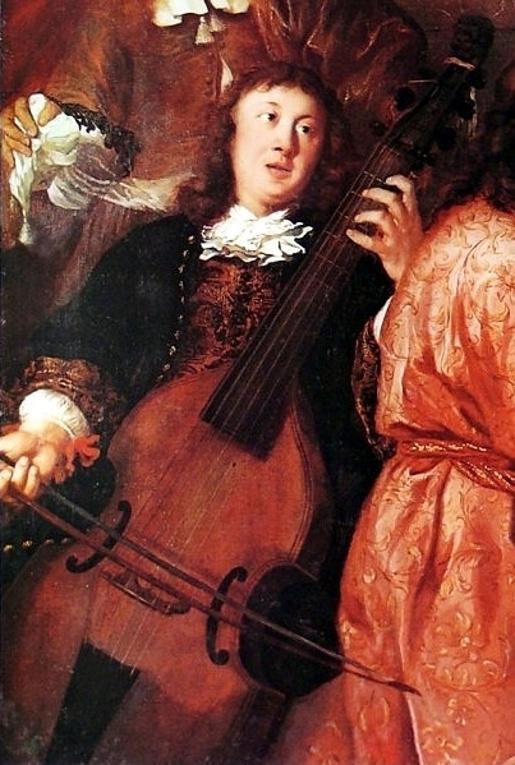 ITAClassical, Classical Crossover

Dietrich Buxtehude was a notable figure in the world of classical music, born in Italy. Known for his contributions to the Baroque era, Buxtehude's work often blends traditional classical elements with innovative styles, leading to the subgenre of classical crossover. His music is characterized by emotional depth and intricate compositions, appealing to a broad audience. Buxtehude's influence can still be felt today, as his pieces continue to resonate with fans of various musical backgrounds.
Dietrich Buxtehude has a range of notable works that resonate with classical and classical crossover music fans. One standout piece is "In dulci Jubilo, BuxWV 197," known for its festive spirit and lively arrangement. Another significant work is the "Trio Sonata in A Minor, BuxWV 254: II. Allegro," which showcases intricate harmonies and a dynamic interplay among instruments.
His compositions often blend vocal and instrumental elements, as seen in "Membra Jesu nostri, BuxWV 75: Ad pectus. Sicut modo geniti infantes rationabiles." This piece captures a reflective mood, adding depth to his portfolio. Other tracks worth mentioning include "Chacona," "Trio Sonata in C Major, BuxWV 256: V. Adagio - Allegro," and "Praeludium in G Minor, BuxWV 149: Prelude in G Minor, BuxWV 149." Each piece offers a glimpse into Buxtehude's style, appealing to a wide audience.
Dietrich Buxtehude continues to make waves with recent releases. The latest album, "Une vie pour l'orgue (2025)," showcases his dedication to the organ, featuring a blend of traditional and innovative compositions. Another notable release is "Buxtehude: Trio Sonatas, Op. 1 & 2 (2025)," which highlights intricate sonorities and harmonies typical of his style. Completing the trio is "Membra Jesu Nostri (2025)," a work that reflects his deep understanding of vocal and instrumental interplay.
In addition to albums, Buxtehude has released several singles this year. "Buxtehude: Trio Sonata in D Minor, Op. 1 No. 6, BuxWV 257 (2025)" stands out for its clarity and depth. The single "Was ich am meisten fürchte, ist das Licht - Das Neutralisierende 6 (2025)" explores complex themes in a concise format. Other singles from this series include "Was ich am meisten fürchte, ist das Licht - Das Neutralisierende 4 (2025)" and "Was ich am meisten fürchte, ist das Licht - Das Neutralisierende 2 (2025)," each offering a unique perspective on his musical explorations.
Dietrich Buxtehude's music has been showcased in various notable venues and festivals. One significant appearance was at the Muziekgebouw aan 't IJ in Amsterdam, where his compositions resonated well with the audience. The intimate setting allowed for a deep connection between the performers and listeners, enhancing the experience of his Baroque works.
In addition to this, Buxtehude's pieces have been featured at festivals such as the Festival van Vroeg muziek in Utrecht and the Boston Early Music Festival. These events highlight his influence in the early music scene and attract both seasoned enthusiasts and new listeners. Performances often include a mix of his renowned organ works and vocal compositions, drawing attention to his unique contributions to the genre.
Other venues like the St. Thomas Church in Leipzig and the National Cathedral in Washington, D.C., have also hosted performances of his music, further solidifying his role in the classical music landscape. Each performance contributes to a growing appreciation of his artistry.
Dietrich Buxtehude's collaborations highlight his influence in the classical music scene. One notable piece is “Trio Sonata, Op. 1 No. 1 in F Major, BUXWV 252: I. Vivace - Lento,” featuring Valerio Losito, Bettina Hoffmann, and Simone Stella. This recording showcases the intricate interplay among the musicians, balancing lively and reflective sections that illustrate Buxtehude's skill in blending different musical ideas.
Another significant work is “Passacaglia in D Minor, BuxWV 161,” performed by Simone Stella. This piece stands out for its repetitive bass line, allowing for various melodic explorations. Stella's interpretation brings a fresh perspective to Buxtehude's composition, emphasizing its emotional depth while maintaining the structural integrity of the original work. These collaborations demonstrate the enduring relevance of Buxtehude’s music and its adaptability through different interpretations.
Viberate is a professional music analytics service that provides a complete data overview of Dietrich Buxtehude, covering audience data, Spotify playlists and stats, individual track performance, and cross-platform metrics including Spotify, YouTube, streaming, and radio airplay analytics. The platform also includes full social media analytics across Instagram, TikTok, and Facebook, as well as insights from Apple Music playlists, SoundCloud, Beatport, Shazam, and Deezer, alongside artist charts, streaming charts, genre charts, and genre analytics to support A&R discovery, benchmarking, and strategic decision-making.
