Die Ladiner

European
Volksmusik/Alpine Folk
Schlager
 Viberate Rank: 131808
 Viberate Rank: 131808
 Monthly ListenersFollowers
 Subscribers
 Followers
 Followers
 FansTop Spotify Songs
| Track | 7-Day Streams | |
|---|---|---|
1 | 3.41K | |
2 | 1.58K | |
3 | 1.18K | |
4 | 961 | |
5 | 889 |
Top YouTube VideosMonthly ListenersFeatured in Playlists| Playlist | Followers | |
|---|---|---|
1 |  Oberkrainer! Moritz Dufter | 10.27K |
2 | Die großen Hits Volksmusik Andreas Brugger | 5.83K |
3 | Volksmusik schlittenstadl | 4.28K |
4 | Best of Schlager orginal Raphael | 3.87K |
5 | Deutsche Volkslieder Michael | 3.31K |
Audience| City | Monthly Listeners | |
|---|---|---|
1 |  | 895 |
2 |  | 871 |
3 | | 521 |
4 | | 481 |
5 | | 432 |
See full performance history, audience data, playlist activity, rankings, comparisons, and more in Viberate music analytics. Start with a free trial, then continue with a paid plan.
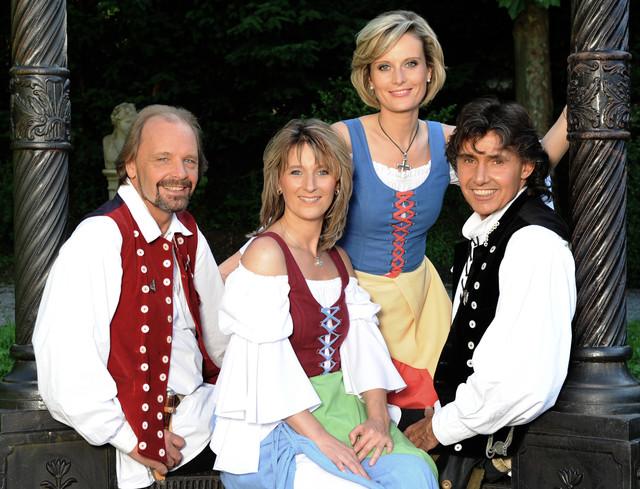
Die Ladiner’s Spotify BioThe proud recipients of the 2004 Grand Prix der Volksmusik, Die Ladiner, who often bill themselves as Die Superstars der Volksmusik, are a German volksmusik duo from Val Gardena, Südtirol (South Tyrol). An autonomous province of Italy near the Austrian border, Südtirol is home to the Dolomite region of the Alps mountain range and the Rhaeto-Romance language Landin (hence the duo's name). Formed in 1996, Die Ladiner are comprised of lead singer Joakin Stuffer (b. Johann Stuffer; June 8, 1969) and accordionist Otto Demetz (born December 10, 1959), the latter of whom took the place of Joakin's brother Rafael Stuffer (born June 11, 1979) in 2005. Joakin's brother Reinhardt is a composer/lyricist for the duo, and Joakin's daughter Nicol has also performed with them, and was showcased on the album Ein Bisschen Fröhlich Sein (2006). Die Ladiner has released albums including Allein in Einsamkeit (2002), Winter- & Weihnachtslieder (2003), Erinnerung an Mama (2004), Beuge Dich vor Grauem Haar… (2004), Die Schönsten Lieder Südtirols (2005), Ein Meer Voll Traurigkeit (2005), Ein Bisschen Fröhlich Sein (2006), Die Ladiner Singen die Grössten Erfolge von Vico Torriani (2006), and Wahre Liebe ein Leben Lang (2007). Die Ladiner are also the hosts of Ladinerfest, an annual volksmusik festival in Val Gardena, a scenic valley nestled beneath the Dolomites. ~ Jason Birchmeier, Rovi
Viberate is a music analytics platform built for A&Rs, artist managers, labels, booking agents, marketers, and artists.
It helps music professionals track artist growth, analyze audience data, monitor playlist activity, compare artists, follow song performance, and identify opportunities across the music market.
Public artist pages provide a free preview of selected artist data. Paid plans provide access to deeper analytics, historical data, charts, comparisons, playlist tools, exports, alerts, reports, and additional professional features.
Yes. Public Viberate artist pages provide selected artist analytics and music data for free.
Viberate also offers a 7-day free trial of the full platform. A credit card is required to start the trial. The trial includes access to the complete product so users can test deeper artist analytics, historical views, playlist insights, comparisons, charts, exports, alerts, and reporting features before choosing a paid plan.
Viberate provides artist analytics across streaming, playlists, social media, video, radio airplay, songs, and audience markets.
Users can analyze Spotify performance, Spotify and Apple Music playlists, YouTube activity, TikTok and Instagram growth, radio spins, song performance, audience locations, demographics, rankings, and overall artist momentum.
Artist profiles also connect to music charts, similar artists, and comparison tools, helping users benchmark performance and evaluate artists in context.
Viberate updates key artist and track data daily.
For followed artists and tracks, selected data is refreshed multiple times per day. This helps teams monitor playlist changes, streaming movement, audience growth, releases, and campaign performance with more current data.
Update frequency can vary depending on the metric and data source.
Yes. Viberate lets users compare up to five artists side by side across streaming, social media, audience, and engagement metrics.
Users can compare fanbase growth, audience demographics, locations, Spotify performance, social metrics, and other artist data over selected time periods.
Artist comparison can be used for A&R scouting, benchmarking, booking decisions, campaign planning, and evaluating artists with similar audiences or market positions.