D.I.D

Pop
Indie Pop
Indie Rock
 Viberate Rank: 146578
 Viberate Rank: 146578
 Monthly ListenersFollowers
 Subscribers
 Followers
 Followers
 FansTop Spotify Songs
| Track | 7-Day Streams | |
|---|---|---|
1 | 2.03K | |
2 | 1.63K | |
3 | 699 | |
4 | 501 | |
5 | 481 |
Top YouTube VideosMonthly ListenersFeatured in Playlists| Playlist | Followers | |
|---|---|---|
1 |  SKINS SOUNDTRACK season 1, 2, 3, 4, 5, 6 and 7 (all seasons) Christel Aurora Hilmo | 65.42K |
2 |  skins vibe Amira | 19.83K |
3 | Skins UK 1-7 Raven Linnette | 13.46K |
4 | leave whats heavy behind hwethera | 12.51K |
5 | Fall Asleep Clément Bourguignon | 11.74K |
Audience| City | Monthly Listeners | |
|---|---|---|
1 | | 855 |
2 | | 355 |
3 |  | 347 |
4 |  | 186 |
5 | | 178 |
See full performance history, audience data, playlist activity, rankings, comparisons, and more in Viberate music analytics. Start with a free trial, then continue with a paid plan.
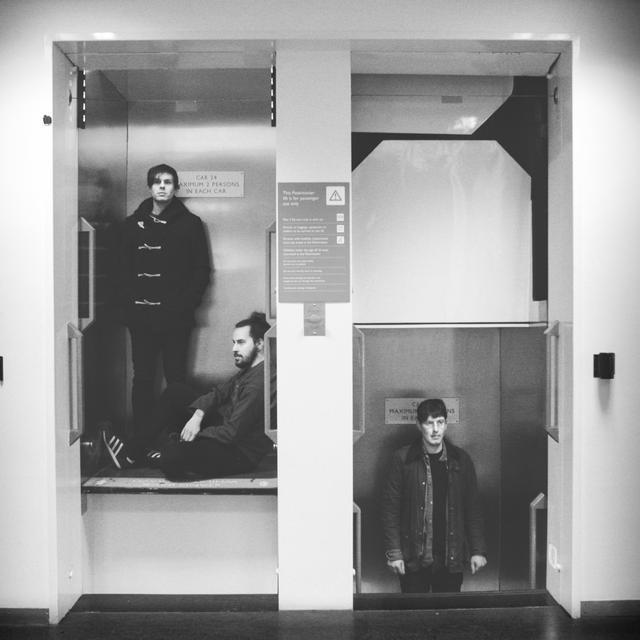
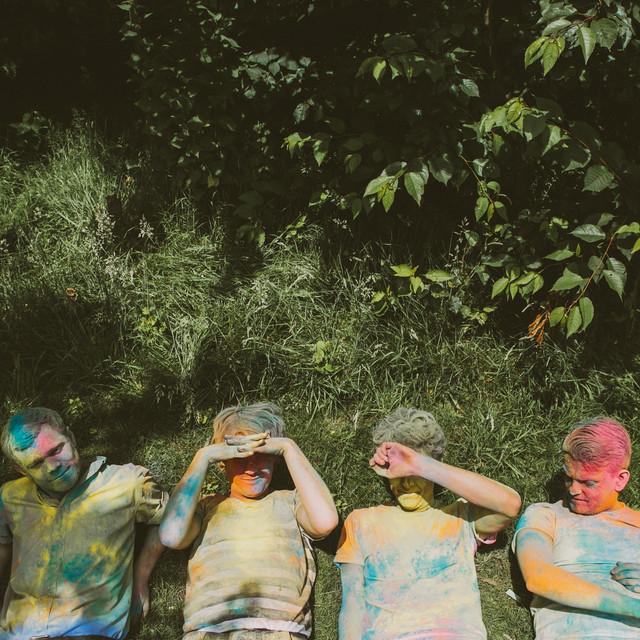
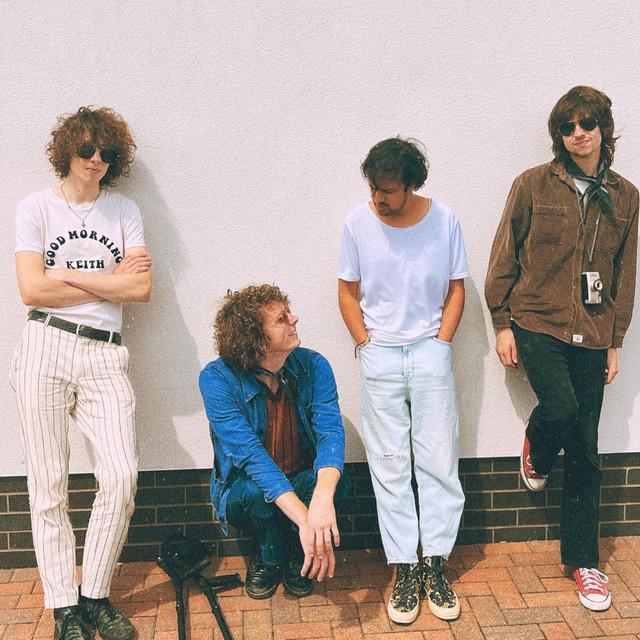
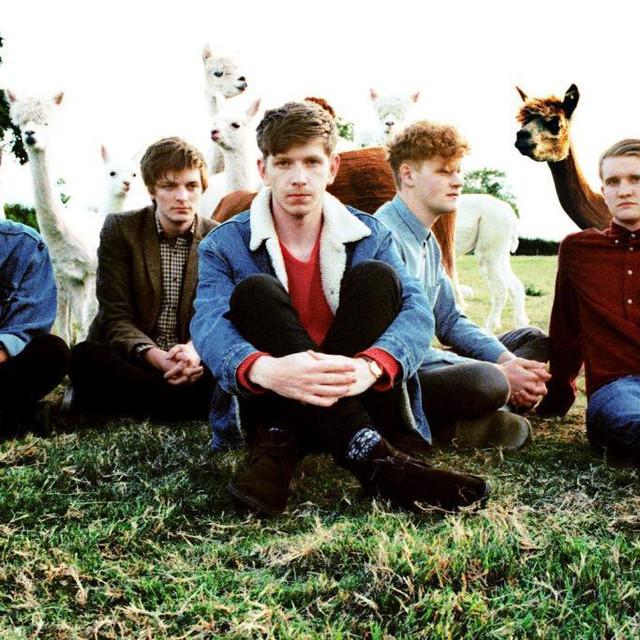
D.I.D’s Spotify BioNottingham based indie pop five-piece Dog Is Dead met at West Bridgford School in 2008. It was at the tender age of 13 that lead singer/guitarist Rob Milton, Joss Van Wilder (keys), and Lawrence Cole (bass/sax) formed the first incarnation of Dog Is Dead under the moniker Oh Henry! From there Cole invited his friend Lawrence Libor to join the band on drums and Rob White was installed on lead guitar. Their '80s pop-influenced sound saw them experiment with lush harmonies and the saxophone, which gave their indie pop blend an original sound. They soon began to play in local clubs, mostly the Bodega Social Club in Nottingham.
It was in 2009 when they recorded their first EP and self-released it under Your Childhood Records. The raw energy and passion that was displayed on these songs won them plaudits and support slots with Cajun Dance Party and One Night Only. Their star continued to soar in 2010 with festival appearances at Dot to Dot and Glastonbury along with radio airplay on BBC Radio… 1 and BBC 6 Music for their singles “Glockenspiel Song” and “Young.” Their performance at Glastonbury won them over to the script writer of popular British TV show Skins, who used “Glockenspiel Song” in the closing scene of the fifth series in 2011. The band themselves played in a marquee and the cast eventually joined in with the chanting of “we are a mess/we are failures/and we love it” to end the series. Subsequently the band signed to Atlantic Records and released Your Childhood EP that year, which featured the songs the band had released already through their Your Childhood label. They then moved to replace original drummer Libor with Daniel Harvey before an extensive tour schedule that included headline slots and a host of U.K. festivals. Singles “River Jordan” and “Hands Down” arrived toward the end of the year.
In 2012, the band released their third single, Two Devils. The release was accompanied by a video with a darker tone than their previous work. A re-recorded version of “Glockenspiel Song” was issued in the summer before they announced the release of their debut album, All Our Favourite Stories, later that year. ~ Scott Kerr, Rovi
Viberate is a music analytics platform built for A&Rs, artist managers, labels, booking agents, marketers, and artists.
It helps music professionals track artist growth, analyze audience data, monitor playlist activity, compare artists, follow song performance, and identify opportunities across the music market.
Public artist pages provide a free preview of selected artist data. Paid plans provide access to deeper analytics, historical data, charts, comparisons, playlist tools, exports, alerts, reports, and additional professional features.
Yes. Public Viberate artist pages provide selected artist analytics and music data for free.
Viberate also offers a 7-day free trial of the full platform. A credit card is required to start the trial. The trial includes access to the complete product so users can test deeper artist analytics, historical views, playlist insights, comparisons, charts, exports, alerts, and reporting features before choosing a paid plan.
Viberate provides artist analytics across streaming, playlists, social media, video, radio airplay, songs, and audience markets.
Users can analyze Spotify performance, Spotify and Apple Music playlists, YouTube activity, TikTok and Instagram growth, radio spins, song performance, audience locations, demographics, rankings, and overall artist momentum.
Artist profiles also connect to music charts, similar artists, and comparison tools, helping users benchmark performance and evaluate artists in context.
Viberate updates key artist and track data daily.
For followed artists and tracks, selected data is refreshed multiple times per day. This helps teams monitor playlist changes, streaming movement, audience growth, releases, and campaign performance with more current data.
Update frequency can vary depending on the metric and data source.
Yes. Viberate lets users compare up to five artists side by side across streaming, social media, audience, and engagement metrics.
Users can compare fanbase growth, audience demographics, locations, Spotify performance, social metrics, and other artist data over selected time periods.
Artist comparison can be used for A&R scouting, benchmarking, booking decisions, campaign planning, and evaluating artists with similar audiences or market positions.