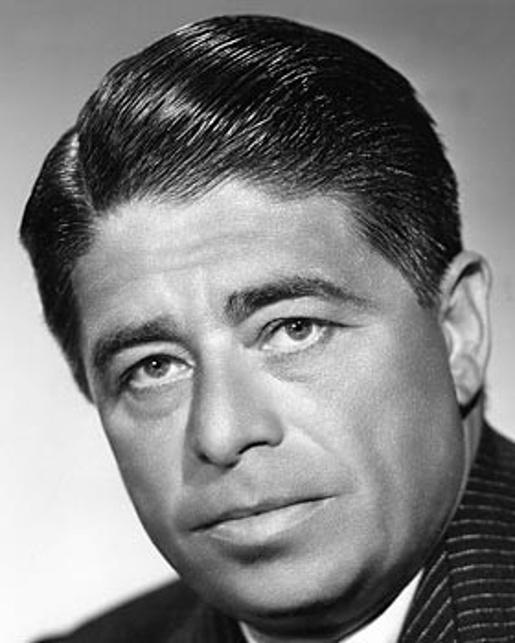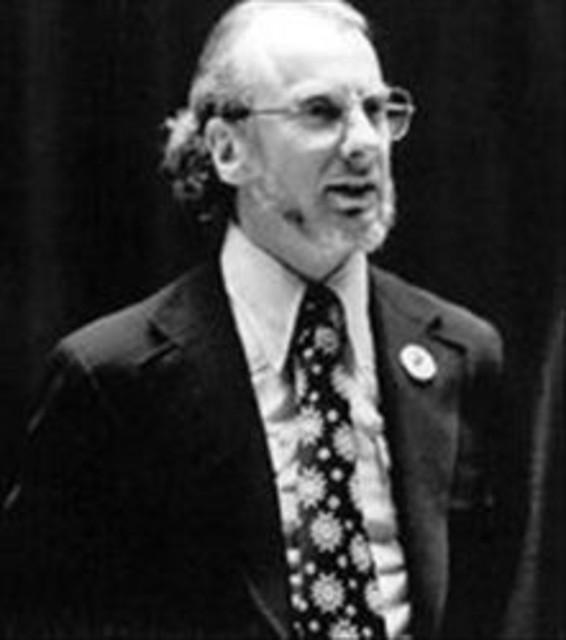
Dick Hyman

Jazz
Smooth Jazz
Classical Crossover
 Viberate Rank: 121091
 Viberate Rank: 121091
 Monthly ListenersFollowers
 Subscribers
 Followers
 Followers
 FansTop Spotify Songs
| Track | 7-Day Streams | |
|---|---|---|
1 | 30.65K | |
2 | 9.15K | |
3 | 5.92K | |
4 | 3.55K | |
5 | 3.13K |
Top YouTube VideosMonthly ListenersFeatured in Playlists| Playlist | Followers | |
|---|---|---|
1 |  Jazz Soundtracks Spotify | 197.28K |
2 |  MoogTube Spotify | 132.70K |
3 |  Nancy Meyers' Kitchen Michael Bernardini | 62.79K |
4 |  jazz laufey | 55.55K |
5 |  CENTRAL PARK Grace Galster | 39.49K |
Audience| City | Monthly Listeners | |
|---|---|---|
1 | | 2.33K |
2 | | 2.00K |
3 |  | 1.66K |
4 | | 1.65K |
5 |  | 1.51K |
See full performance history, audience data, playlist activity, rankings, comparisons, and more in Viberate music analytics. Start with a free trial, then continue with a paid plan.
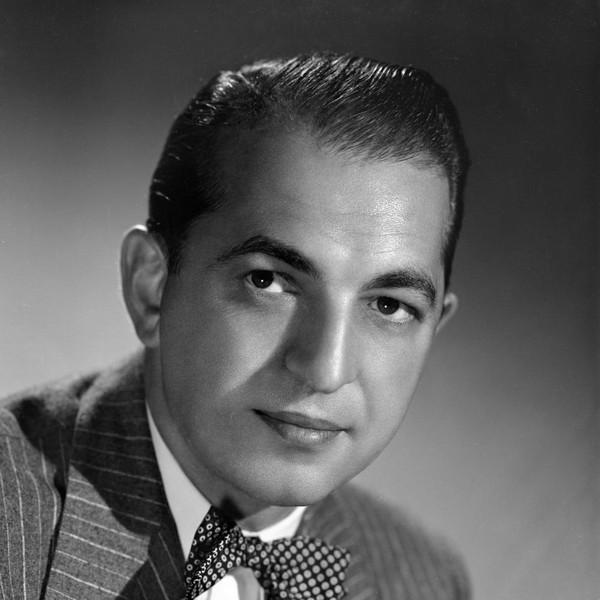
Dick Hyman’s Spotify BioAmong the most versatile musicians of modern times, keyboardist Dick Hyman performed in styles ranging from classic jazz to stride to pre-bop swing and beyond, even releasing several albums of electronic keyboard music. He once recorded an album, Themes and Variations on "A Child Is Born," on which he rendered that tune in 11 different styles. Hyman began his career as a sideman in major swing bands, and for the latter part of his career, he returned to that style and to stride piano, which he recorded prolifically. Hyman was also a composer and became well known in that capacity as the creator of soundtracks for many films by actor-director Woody Allen. Hyman remained active into great old age, recording the album Counterpoint in 2019 with clarinetist Ken Peplowski.
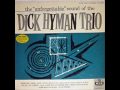
Hyman was born on March 8, 1927, in New York. His mother's brother was the classical pianist Anton Rovinsky, and his first lessons were in the classical field. He also became interested in jazz through an older brother who… had a jazz record collection. Hyman enlisted in the U.S. Army during World War II, but when his musical talent became clear, he was transferred to the Navy band department. He has credited his time there for rigorous training with players who were superior to himself. After the war, Hyman attended Columbia University, where he won a contest that brought a dozen lessons with pianist Teddy Wilson as the prize. Setting on a career in jazz, Hyman began to record solo and trio material around 1950, issuing several solo albums and several with a trio, including the 1955 LP The Unforgettable Sound of the Dick Hyman Trio.
Hyman worked with xylophonist/vibraphonist Red Norvo (1949-1950) and clarinetist Benny Goodman (1950) and then spent much of the '50s and '60s as a studio musician. He appeared on the one known sound film of Charlie Parker (Hot House from 1952); recorded honky tonk under pseudonyms; played organ and early synthesizers in addition to piano; was Arthur Godfrey's music director (1959-1962); collaborated with writer Leonard Feather on some "History of Jazz" concerts (doubling on clarinet); and performed rock, pop, rhythm-and-blues, free jazz, and even country music (with vocalist Marvin Rainwater); his credits include appearances on albums by Tony Bennett, Perry Como, Ivory Joe Hunter, and many more. On the Command label, he released albums on which he played the Lowrey organ, including Electrodynamics, Fabulous, Keyboard Kaleidoscope, and The Man from O.R.G.A.N. He also recorded using the Moog synthesizer, including Moog: The Electric Eclectics of Dick Hyman and The Age of Electronicus. These electronic releases had some pop success.
For much of the later part of his career, Hyman was a prime force in the revival of classic jazz styles. In the '70s, Hyman played with the New York Jazz Repertory Company, formed the Perfect Jazz Repertory Quintet (1976), and started writing soundtracks for Woody Allen films, which often included classic jazz elements along with orchestral sounds. Hyman's scores include those for 11 Allen films and several by other directors, including Moonstruck (1987). He has written several dozen classical compositions, including solo piano works, chamber pieces, two piano concertos (one, "Concerto Electro," was for electric piano), and vocal and choral works. Hyman has recorded frequently during the past several decades (sometimes in duets with Ruby Braff) for Concord, Music Masters, and Reference, among other labels, and ranks at the top of the classic jazz field. He has remained active into his nineties. In 2013, Hyman teamed with vocalist Heather Masse for a set of standards on the Red House label called Lock My Heart. In 2019, he and Peplowski issued Counterpoint, an album of music by Lerner & Loewe, on the Arbors Records label, which also issued the collection A Century of Jazz Piano. ~ TiVo Staff, Rovi
Viberate is a music analytics platform built for A&Rs, artist managers, labels, booking agents, marketers, and artists.
It helps music professionals track artist growth, analyze audience data, monitor playlist activity, compare artists, follow song performance, and identify opportunities across the music market.
Public artist pages provide a free preview of selected artist data. Paid plans provide access to deeper analytics, historical data, charts, comparisons, playlist tools, exports, alerts, reports, and additional professional features.
Yes. Public Viberate artist pages provide selected artist analytics and music data for free.
Viberate also offers a 7-day free trial of the full platform. A credit card is required to start the trial. The trial includes access to the complete product so users can test deeper artist analytics, historical views, playlist insights, comparisons, charts, exports, alerts, and reporting features before choosing a paid plan.
Viberate provides artist analytics across streaming, playlists, social media, video, radio airplay, songs, and audience markets.
Users can analyze Spotify performance, Spotify and Apple Music playlists, YouTube activity, TikTok and Instagram growth, radio spins, song performance, audience locations, demographics, rankings, and overall artist momentum.
Artist profiles also connect to music charts, similar artists, and comparison tools, helping users benchmark performance and evaluate artists in context.
Viberate updates key artist and track data daily.
For followed artists and tracks, selected data is refreshed multiple times per day. This helps teams monitor playlist changes, streaming movement, audience growth, releases, and campaign performance with more current data.
Update frequency can vary depending on the metric and data source.
Yes. Viberate lets users compare up to five artists side by side across streaming, social media, audience, and engagement metrics.
Users can compare fanbase growth, audience demographics, locations, Spotify performance, social metrics, and other artist data over selected time periods.
Artist comparison can be used for A&R scouting, benchmarking, booking decisions, campaign planning, and evaluating artists with similar audiences or market positions.