Dick Gaughan

Rock
Folk Rock
Celtic
 Viberate Rank: 151848
 Viberate Rank: 151848
 Monthly ListenersFollowers
 Subscribers
 Followers
 Followers
 FansTop Spotify Songs
| Track | 7-Day Streams | |
|---|---|---|
1 | 7.74K | |
2 | 7.64K | |
3 | 6.36K | |
4 | 4.01K | |
5 | 2.90K |
Top YouTube VideosMonthly ListenersFeatured in Playlists| Playlist | Followers | |
|---|---|---|
1 |  Traditional Scottish Folk Spotify | 138.77K |
2 |  Celtic Music ☘️ The Gothard Sisters | 105.95K |
3 |  This Is Rufus Wainwright Spotify | 22.04K |
4 |  Antifascist Resistance Songs Michael Papasavva | 21.33K |
5 |  Scottish Folk/ Traditional Joar Fosså | 17.12K |
Audience| City | Monthly Listeners | |
|---|---|---|
1 |  | 3.18K |
2 |  | 2.34K |
3 | | 1.99K |
4 | | 1.07K |
5 |  | 891 |
See full performance history, audience data, playlist activity, rankings, comparisons, and more in Viberate music analytics. Start with a free trial, then continue with a paid plan.
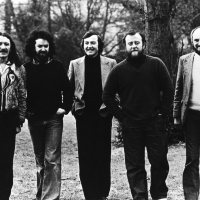
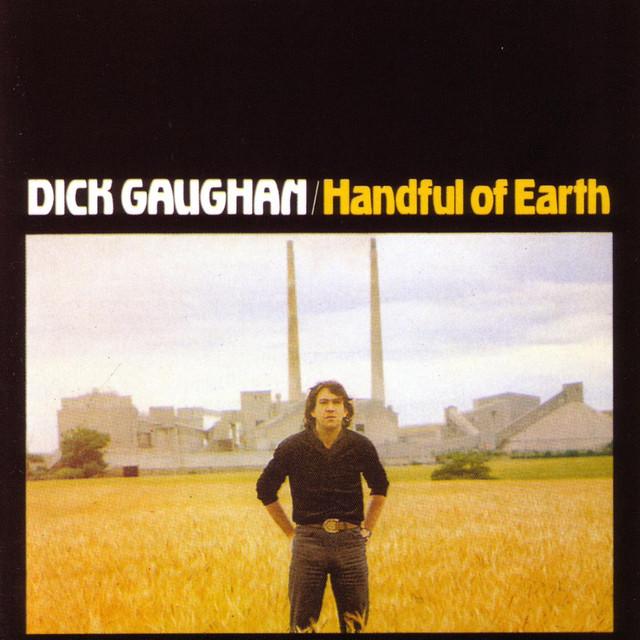
Dick Gaughan’s Spotify BioThough primarily steeped in the traditions of folk and Celtic music, Scottish singer/songwriter Dick Gaughan has enjoyed a lengthy and far-reaching career in a variety of creative pursuits. Born Richard Peter in 1948, he first picked up the guitar at the age of seven, and issued his debut solo LP, No More Forever, in 1972. Gaughan then signed on with the folk-rock group the Boys of the Lough, releasing a 1973 self-titled LP before returning to his solo career with 1976's Kist o Gold. However, he soon returned to the group format, forming a band named Five Hand Reel and issuing another eponymously titled effort that same year; over the next two years, Gaughan issued four more records -- two solo releases (1977's Copper and Brass and 1978's Gaughan) as well as two more Five Hand Reel outings (1977's For a' That and 1978's Earl o' Moray). In the late '70s and early '80s, he worked as a critic and columnist with Folk Review magazine, and also acted as a member of the 7:84 Theatre Company;… after a three-year absence from the studio, Gaughan also returned to regular musical duty with the release of 1981's Handful of Earth. A Different Kind of Love Song followed in 1983, and in 1985 he released Live in Edinburgh; True and Bold appeared a year later. After 1988's Call It Freedom, Gaughan again retreated from view; much of his time was devoted to his increasing interest in computer technology, and he later earned notice for his skills as a programmer and web designer. Finally, he formed a new band, the short-lived Clan Alba, who disbanded after releasing their 1995 self-titled debut; the solo Sail On arrived the next year, followed in 1998 by Redwood Cathedral. Gaughan's subsequent solo releases have included 2001's Outlaws & Dreamers and 2006's Lucky for Some. ~ Jason Ankeny, Rovi
Viberate is a music analytics platform built for A&Rs, artist managers, labels, booking agents, marketers, and artists.
It helps music professionals track artist growth, analyze audience data, monitor playlist activity, compare artists, follow song performance, and identify opportunities across the music market.
Public artist pages provide a free preview of selected artist data. Paid plans provide access to deeper analytics, historical data, charts, comparisons, playlist tools, exports, alerts, reports, and additional professional features.
Yes. Public Viberate artist pages provide selected artist analytics and music data for free.
Viberate also offers a 7-day free trial of the full platform. A credit card is required to start the trial. The trial includes access to the complete product so users can test deeper artist analytics, historical views, playlist insights, comparisons, charts, exports, alerts, and reporting features before choosing a paid plan.
Viberate provides artist analytics across streaming, playlists, social media, video, radio airplay, songs, and audience markets.
Users can analyze Spotify performance, Spotify and Apple Music playlists, YouTube activity, TikTok and Instagram growth, radio spins, song performance, audience locations, demographics, rankings, and overall artist momentum.
Artist profiles also connect to music charts, similar artists, and comparison tools, helping users benchmark performance and evaluate artists in context.
Viberate updates key artist and track data daily.
For followed artists and tracks, selected data is refreshed multiple times per day. This helps teams monitor playlist changes, streaming movement, audience growth, releases, and campaign performance with more current data.
Update frequency can vary depending on the metric and data source.
Yes. Viberate lets users compare up to five artists side by side across streaming, social media, audience, and engagement metrics.
Users can compare fanbase growth, audience demographics, locations, Spotify performance, social metrics, and other artist data over selected time periods.
Artist comparison can be used for A&R scouting, benchmarking, booking decisions, campaign planning, and evaluating artists with similar audiences or market positions.