Diagrams

Pop
Indie Pop
Other Electronic Music
 Viberate Rank: 289933
 Viberate Rank: 289933
 Monthly ListenersFollowers
 Subscribers
 Followers
 Followers
 FansTop Spotify Songs
| Track | 7-Day Streams | |
|---|---|---|
1 | 1.07K | |
2 | 663 | |
3 | 343 | |
4 | 257 | |
5 | 196 |
Top YouTube VideosMonthly ListenersFeatured in Playlists| Playlist | Followers | |
|---|---|---|
1 |  Fidi & Bumsi Spotify | 353.24K |
2 |  Zeugs Olli Schulz | 26.20K |
3 | ℝ𝕠𝕒𝕕 𝕋𝕣𝕚𝕡 Sue-z-q 🪐🌌 | 10.94K |
4 |  Jamie Cullum's BBC Radio 2 Show jamiecullumofficial | 8.78K |
5 |  Nova Le Grand Mix Julien Aubry | 8.43K |
Audience| City | Monthly Listeners | |
|---|---|---|
1 |  | 224 |
2 |  | 166 |
3 |  | 154 |
4 | | 88 |
5 | | 68 |
See full performance history, audience data, playlist activity, rankings, comparisons, and more in Viberate music analytics. Start with a free trial, then continue with a paid plan.
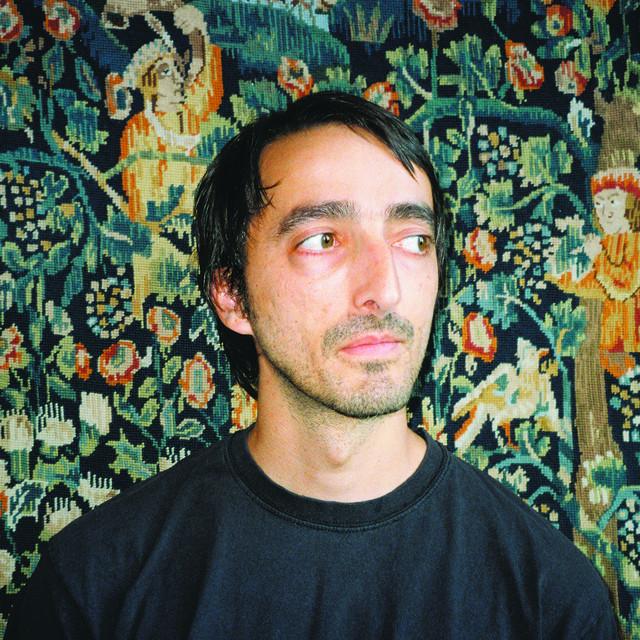
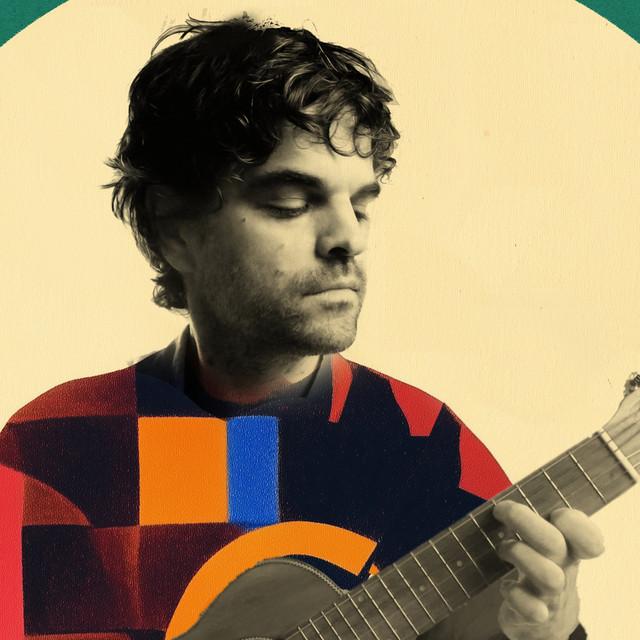
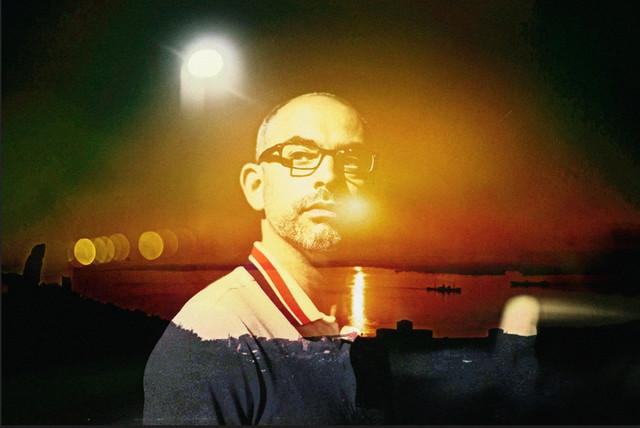
Diagrams’ Spotify BioThe solo project of electric/folk musician Sam Genders (Tunng, the Accidental), utilizing a revolving cast of musicians for a heady mix of psychedelia, electronica, and folk. Before Diagrams came into existence, Genders was best known as a founding member of folktronica band Tunng, but after that project came to an end in 2011, Genders went solo and subsequently decided to go in a different musical direction; in contrast to Tunng, Diagrams explores a more angular, less lo-fi aesthetic. Soon after Diagrams' creation, Genders released his debut self-titled EP through Full Time Hobby, which featured a number of different ideas, from overtly electronic tracks to softer folk songs. The following year Genders released his debut full-length, 2012's Black Light; both the EP and the album were produced by Mark Brydon (Moloko, Cloud Nine). After the release of his debut, Genders began assembling musicians or Diagrams' live show, expanding the on-stage lineup to around nine performers, many of… whom exchange duties depending on availability. Around 2013, Genders moved from London to Sheffield, somewhat delaying the release of his sophomore album, 2015's Chromatics. For his 2017 album, Dorothy, Genders explored a unique concept in collaboration with poet Dorothy Trogden; Genders was inspired to reach out to her after reading one of her anthologies, Tall Woman Looking. Over several email exchanges, they defined the lyrics and themes for Diagrams' third full-length. The album was self-released and funded entirely through a Kickstarter campaign, with a little help on production from Mike Lindsay (Tunng, Speech Debelle) and Kristofer Harris (Smoke Fairies, Clock Opera), alongside arrangements from Kelly Pratt (Arcade Fire, St. Vincent). ~ Liam Martin, Rovi
Viberate is a music analytics platform built for A&Rs, artist managers, labels, booking agents, marketers, and artists.
It helps music professionals track artist growth, analyze audience data, monitor playlist activity, compare artists, follow song performance, and identify opportunities across the music market.
Public artist pages provide a free preview of selected artist data. Paid plans provide access to deeper analytics, historical data, charts, comparisons, playlist tools, exports, alerts, reports, and additional professional features.
Yes. Public Viberate artist pages provide selected artist analytics and music data for free.
Viberate also offers a 7-day free trial of the full platform. A credit card is required to start the trial. The trial includes access to the complete product so users can test deeper artist analytics, historical views, playlist insights, comparisons, charts, exports, alerts, and reporting features before choosing a paid plan.
Viberate provides artist analytics across streaming, playlists, social media, video, radio airplay, songs, and audience markets.
Users can analyze Spotify performance, Spotify and Apple Music playlists, YouTube activity, TikTok and Instagram growth, radio spins, song performance, audience locations, demographics, rankings, and overall artist momentum.
Artist profiles also connect to music charts, similar artists, and comparison tools, helping users benchmark performance and evaluate artists in context.
Viberate updates key artist and track data daily.
For followed artists and tracks, selected data is refreshed multiple times per day. This helps teams monitor playlist changes, streaming movement, audience growth, releases, and campaign performance with more current data.
Update frequency can vary depending on the metric and data source.
Yes. Viberate lets users compare up to five artists side by side across streaming, social media, audience, and engagement metrics.
Users can compare fanbase growth, audience demographics, locations, Spotify performance, social metrics, and other artist data over selected time periods.
Artist comparison can be used for A&R scouting, benchmarking, booking decisions, campaign planning, and evaluating artists with similar audiences or market positions.