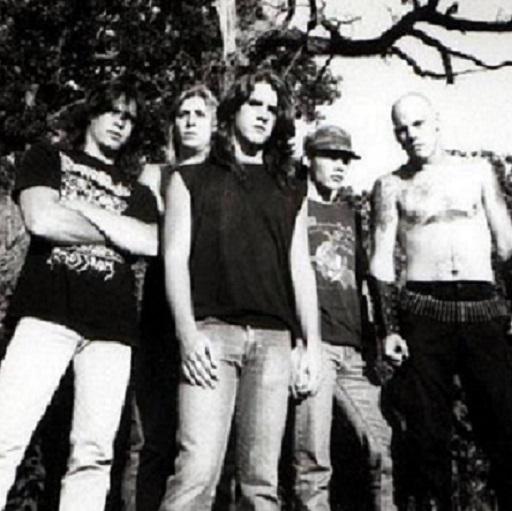
Diabolic Possession

Metal
Death Metal
 Viberate Rank: 698459
 Viberate Rank: 698459
 Monthly ListenersFollowers
 Subscribers
 Followers
 Followers
 FansTop Spotify Songs
| Track | 7-Day Streams | |
|---|---|---|
1 | 2 | |
2 | 1 | |
3 | 1 | |
4 | 1 | |
5 | 1 |
Top YouTube Videos| Video | 7-Day Views | |
|---|---|---|
1 | 49 | |
2 | 1 | |
3 | 1 | |
4 | 1 |
Monthly ListenersFeatured in PlaylistsAudience| City | Monthly Listeners | |
|---|---|---|
1 | | 3 |
See full performance history, audience data, playlist activity, rankings, comparisons, and more in Viberate music analytics. Start with a free trial, then continue with a paid plan.
Diabolic Possession’s Spotify BioDiabolic Possession was born on the front lines of early death metal and thrash. They were Inspired by bands such as Celtic Frost, Mercyful Fate, Autopsy, Destruction, Death, Voivod, Bathory, Possessed, Slayer, and earlier metal bands like Black Sabbath, Iron Maiden, and Judas Priest.
In 1987, Diabolic Possession set out to form a sound of their own.
Their first release was an EP entitled "Ripped To Pieces" in 1993. Ground Zero Entertainment released a remixed version of it on CD. The members at the time became known as the "Ripped To Pieces" lineup: Glyn Clark-guitar, Chad Lottmann-vocals, Steve Jacobs-bass, Eric Hahn-guitar, and Brian Dyer-drums.
In 2003, Diabolic released the "Dark Seraphim" EP on Assaulter Productions, which also included the "Ripped To Pieces" EP as bonus tracks. This lineup became known as the "Dark Seraphim" lineup: Andy Jones-vocals, Pete Hilario-drums, Glyn Clark-guitar, and Steve Jacobs-bass.
In 2019, Diabolic Possession decided to commit to an aggressive agenda,… with good friend and new drummer Rick Halverson, who has played with the likes of hard core legends “Pro-Pain”, Stephen Pearcy of Ratt, and many local bands. Eric Hahn, who was an (almost) original guitarist has returned after about 25 years. Glyn Clark, Chad Lottmann, and Steve Jacobs also remain.
So what’s next? There is much to come, and all shall be revealed soon. One thing is for sure, Diabolic Possession, after thirty years, is far from done.
Viberate is a music analytics platform built for A&Rs, artist managers, labels, booking agents, marketers, and artists.
It helps music professionals track artist growth, analyze audience data, monitor playlist activity, compare artists, follow song performance, and identify opportunities across the music market.
Public artist pages provide a free preview of selected artist data. Paid plans provide access to deeper analytics, historical data, charts, comparisons, playlist tools, exports, alerts, reports, and additional professional features.
Yes. Public Viberate artist pages provide selected artist analytics and music data for free.
Viberate also offers a 7-day free trial of the full platform. A credit card is required to start the trial. The trial includes access to the complete product so users can test deeper artist analytics, historical views, playlist insights, comparisons, charts, exports, alerts, and reporting features before choosing a paid plan.
Viberate provides artist analytics across streaming, playlists, social media, video, radio airplay, songs, and audience markets.
Users can analyze Spotify performance, Spotify and Apple Music playlists, YouTube activity, TikTok and Instagram growth, radio spins, song performance, audience locations, demographics, rankings, and overall artist momentum.
Artist profiles also connect to music charts, similar artists, and comparison tools, helping users benchmark performance and evaluate artists in context.
Viberate updates key artist and track data daily.
For followed artists and tracks, selected data is refreshed multiple times per day. This helps teams monitor playlist changes, streaming movement, audience growth, releases, and campaign performance with more current data.
Update frequency can vary depending on the metric and data source.
Yes. Viberate lets users compare up to five artists side by side across streaming, social media, audience, and engagement metrics.
Users can compare fanbase growth, audience demographics, locations, Spotify performance, social metrics, and other artist data over selected time periods.
Artist comparison can be used for A&R scouting, benchmarking, booking decisions, campaign planning, and evaluating artists with similar audiences or market positions.