Dewey Balfa

Country
Bluegrass
Americana/Alt Country
 Viberate Rank: 401000
 Viberate Rank: 401000
 Monthly ListenersFollowers
 Subscribers
 Followers
 Followers
 FansTop Spotify Songs
| Track | 7-Day Streams | |
|---|---|---|
1 | 922 | |
2 | 459 | |
3 | 373 | |
4 | 329 | |
5 | 321 |
Top YouTube VideosMonthly ListenersFeatured in Playlists| Playlist | Followers | |
|---|---|---|
1 | Cajun music warrenpriceii | 12.34K |
2 | Cajun/Zydeco/Swamp Pop Nikki Courvelle | 6.55K |
3 | Traditional Cajun zachtheallen | 4.83K |
4 |  People's Picks: Joan Shelley Smithsonian Folkways Recordings | 3.98K |
5 |  Cajun and Creole Music of South Louisiana William Mathew LaFleur | 3.48K |
Audience| City | Monthly Listeners | |
|---|---|---|
1 | | 140 |
2 | | 108 |
3 | | 106 |
4 | | 89 |
5 | | 73 |
See full performance history, audience data, playlist activity, rankings, comparisons, and more in Viberate music analytics. Start with a free trial, then continue with a paid plan.
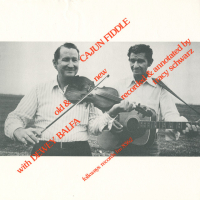
Dewey Balfa’s Spotify BioA seminal figure in the revival of traditional Cajun music, fiddler Dewey Balfa was among his native culture's most impassioned ambassadors, helping introduce the Cajun sound to countless new fans across the globe and inspiring an entire generation of performers to explore their roots. Born March 20, 1927 in Mamou, LA, Balfa was one of nine children in a family of sharecroppers; when not picking cotton, he learned to play the fiddle from his father, taking early inspiration from the music of Leo Soileau, Harry Choates, and Bob Wills. During World War II, he worked in a Texas shipyard, later enlisting in the merchant marine; in his off hours, he continued playing music, sitting in with a variety of western swing bands. By the late '40s, Balfa returned home to Louisiana, where he teamed with his siblings Rodney, Will, and Harry to play local parties and dances as the Musical Brothers; by 1951, they even amassed enough of a local following to cut a 78 rpm single, "La Valse de Bon… Baurche."
Acclaimed for his fluid, precise style, Balfa emerged as so much a fiddle virtuoso that he was much sought after by other Cajun performers, most notably by Nathan Abshire, whom he accompanied on a variety of recording sessions and live dates. During the '50, conventional wisdom held that Cajun music was old-fashioned and commercially irrelevant, but Balfa forged on; he and his brothers continued performing live, and even hosted their own radio show. A mid-'50s Newport Folk Foundation field recording brought them limited exposure outside of the southwest Louisiana area, and in 1964, Balfa led a group of Cajun musicians during a landmark appearance at the Newport Folk Festival which ended in a standing ovation from the 17,000-plus in attendance, offering the first concrete proof that the music could find a wide audience. With Rodney and Will, daughter Nelda, and accordionist Hadley Fontenot, Dewey officially formed the Balfa Brothers band in 1965, and with them returned to Newport in 1967 to a similarly rapturous response.
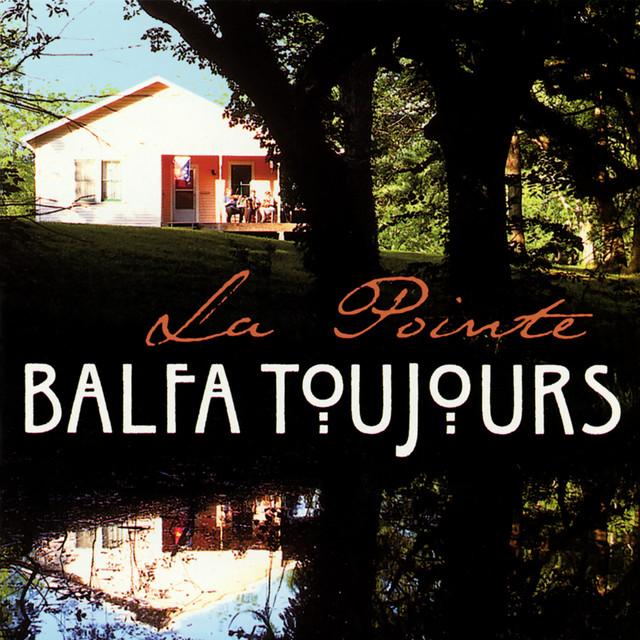
Balfa's experiences at Newport galvanized him to become an advocate for traditional Cajun culture, and he worked closely with the Council for the Development of French in Louisiana to increase studies of the French language in the state's schools; he also pushed for a Cajun music festival. At the same time, the Balfa Brothers continued recording and performing live on a regular basis, growing in popularity throughout the years to come. However, tragedy struck in 1979, when Will and Rodney were both killed in an auto accident; within the next several years, Balfa's wife and son died as well, but he soldiered on, re-forming the Balfa Brothers with daughter Christine and nephew Tony. In 1982, he also won the National Heritage Fellowship, the highest award given to folk artists by the National Endowment of the Arts. After a long battle with cancer, Balfa died on June 17, 1992; his daughters soon formed Balfa Toujours -- "Balfa Forever" -- to continue promoting the Cajun tradition into the next century. ~ Jason Ankeny, Rovi
Viberate is a music analytics platform built for A&Rs, artist managers, labels, booking agents, marketers, and artists.
It helps music professionals track artist growth, analyze audience data, monitor playlist activity, compare artists, follow song performance, and identify opportunities across the music market.
Public artist pages provide a free preview of selected artist data. Paid plans provide access to deeper analytics, historical data, charts, comparisons, playlist tools, exports, alerts, reports, and additional professional features.
Yes. Public Viberate artist pages provide selected artist analytics and music data for free.
Viberate also offers a 7-day free trial of the full platform. A credit card is required to start the trial. The trial includes access to the complete product so users can test deeper artist analytics, historical views, playlist insights, comparisons, charts, exports, alerts, and reporting features before choosing a paid plan.
Viberate provides artist analytics across streaming, playlists, social media, video, radio airplay, songs, and audience markets.
Users can analyze Spotify performance, Spotify and Apple Music playlists, YouTube activity, TikTok and Instagram growth, radio spins, song performance, audience locations, demographics, rankings, and overall artist momentum.
Artist profiles also connect to music charts, similar artists, and comparison tools, helping users benchmark performance and evaluate artists in context.
Viberate updates key artist and track data daily.
For followed artists and tracks, selected data is refreshed multiple times per day. This helps teams monitor playlist changes, streaming movement, audience growth, releases, and campaign performance with more current data.
Update frequency can vary depending on the metric and data source.
Yes. Viberate lets users compare up to five artists side by side across streaming, social media, audience, and engagement metrics.
Users can compare fanbase growth, audience demographics, locations, Spotify performance, social metrics, and other artist data over selected time periods.
Artist comparison can be used for A&R scouting, benchmarking, booking decisions, campaign planning, and evaluating artists with similar audiences or market positions.