Dev

Pop
Mainstream Pop
Alternative Hip Hop
 Viberate Rank: 7555
 Viberate Rank: 7555
 Monthly ListenersFollowers
 Subscribers
 Followers
 Followers
 FansTop Spotify Songs
| Track | 7-Day Streams | |
|---|---|---|
1 | 2.99M | |
2 | 159.02K | |
3 | 156.97K | |
4 | 94.67K | |
5 | 87.23K |
Top YouTube VideosMonthly ListenersFeatured in Playlists| Playlist | Followers | |
|---|---|---|
1 |  Guilty Pleasures Spotify | 3.39M |
2 |  Party Hits 2010s Spotify | 3.24M |
3 |  Hype Spotify | 2.56M |
4 |  Throwback Workout Spotify | 1.49M |
5 |  Beast Mode Dance Spotify | 1.49M |
Audience| City | Monthly Listeners | |
|---|---|---|
1 |  | 110.76K |
2 | | 95.92K |
3 |  | 91.27K |
4 | | 90.75K |
5 |  | 85.07K |
See full performance history, audience data, playlist activity, rankings, comparisons, and more in Viberate music analytics. Start with a free trial, then continue with a paid plan.
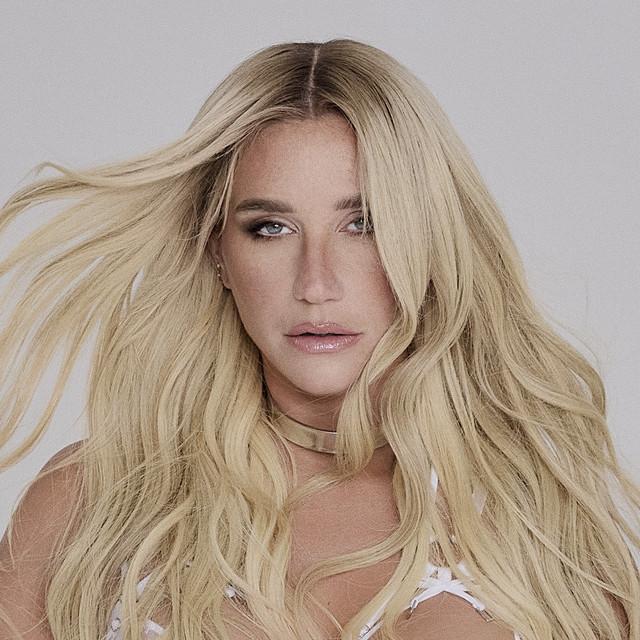
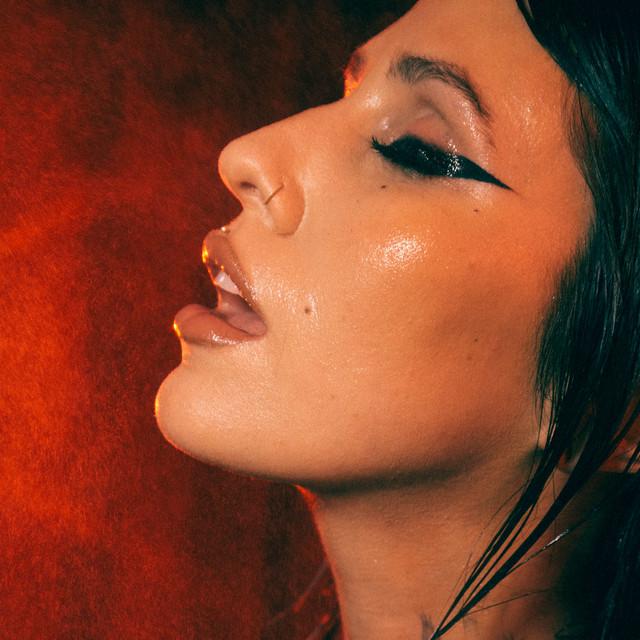
Dev’s Spotify BioLos Angeles rapper, singer, and songwriter Dev (aka Devin Star Tailes) makes hip-hop-influenced and dance-oriented electronic pop music based around her cool vocal delivery. Born in 1989, Dev grew up in Manteca, California, where she focused on swimming, band, and choir during high school. It was while studying English and art history at San Joaquin Delta College that Dev posted a cover of Amy Winehouse's "Blonde Trick" to her MySpace page. The track caught the attention of alternative hip-hop duo the Cataracs, who helped her sign a management deal with their label, Indie-Pop. After moving to Los Angeles in 2009, Dev began collaborating with the Cataracs on several tracks, including "2Nite," "Fireball," and "Booty Bounce," the latter of which was sampled by Far East Movement for their hit single "Like a G6." A year later, she signed to Universal Republic and released the Cataracs-produced single "Bass Down Low," which charted on Billboard's Hot 100. In 2011 she delivered her debut… full-length album, the Cataracs-produced The Night the Sun Came Up, which also included the singles "In the Dark" and "Naked" featuring Enrique Iglesias. That same year, Dev gave birth to her first child, a daughter, with her pro-skateboarding fiancé, Jimmy Gorecki. In 2014 Dev returned with the EP Bittersweet July, featuring the NanosauR-produced single "Kids." After the release of stand-alone singles "Lowkey" and "#1" in 2016, Dev released her sophomore LP, I Only See You When I'm Dreamin', in September 2017. The album included the singles "Come at Me" and "Trouble" featuring Marko Penn. ~ Matt Collar, Rovi
Viberate is a music analytics platform built for A&Rs, artist managers, labels, booking agents, marketers, and artists.
It helps music professionals track artist growth, analyze audience data, monitor playlist activity, compare artists, follow song performance, and identify opportunities across the music market.
Public artist pages provide a free preview of selected artist data. Paid plans provide access to deeper analytics, historical data, charts, comparisons, playlist tools, exports, alerts, reports, and additional professional features.
Yes. Public Viberate artist pages provide selected artist analytics and music data for free.
Viberate also offers a 7-day free trial of the full platform. A credit card is required to start the trial. The trial includes access to the complete product so users can test deeper artist analytics, historical views, playlist insights, comparisons, charts, exports, alerts, and reporting features before choosing a paid plan.
Viberate provides artist analytics across streaming, playlists, social media, video, radio airplay, songs, and audience markets.
Users can analyze Spotify performance, Spotify and Apple Music playlists, YouTube activity, TikTok and Instagram growth, radio spins, song performance, audience locations, demographics, rankings, and overall artist momentum.
Artist profiles also connect to music charts, similar artists, and comparison tools, helping users benchmark performance and evaluate artists in context.
Viberate updates key artist and track data daily.
For followed artists and tracks, selected data is refreshed multiple times per day. This helps teams monitor playlist changes, streaming movement, audience growth, releases, and campaign performance with more current data.
Update frequency can vary depending on the metric and data source.
Yes. Viberate lets users compare up to five artists side by side across streaming, social media, audience, and engagement metrics.
Users can compare fanbase growth, audience demographics, locations, Spotify performance, social metrics, and other artist data over selected time periods.
Artist comparison can be used for A&R scouting, benchmarking, booking decisions, campaign planning, and evaluating artists with similar audiences or market positions.