Deucefade

Hip Hop
Contemporary Hip Hop
 Viberate Rank: 591482
 Viberate Rank: 591482
 Monthly ListenersFollowers
 Subscribers
 Followers
 Followers
 FansTop Spotify Songs
| Track | 7-Day Streams | |
|---|---|---|
1 | 144 | |
2 | 45 | |
3 | 42 | |
4 | 22 | |
5 | 18 |
Top YouTube Videos| Video | 7-Day Views | |
|---|---|---|
1 | 4 | |
2 | 3 |
Monthly ListenersFeatured in Playlists| Playlist | Followers | |
|---|---|---|
1 |  songs I’d play as a soulcycle instructor ava bussan | 6.85K |
2 |  edgy teen bullshit erlysian | 2.83K |
3 |  CHILLTOPIA 😎 IDLEGLANCE | 1.39K |
4 |  IDLEGLANCE ESSENTIALS IDLEGLANCE | 1.25K |
Audience| City | Monthly Listeners | |
|---|---|---|
1 | | 28 |
2 | | 11 |
3 | | 9 |
4 | | 9 |
5 | | 8 |
See full performance history, audience data, playlist activity, rankings, comparisons, and more in Viberate music analytics. Start with a free trial, then continue with a paid plan.
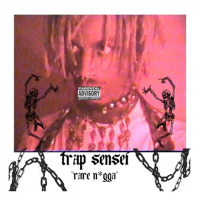
Deucefade’s Spotify BioDeucefade is a shape-shifting presence in the underground—first recognized as a voice cutting through the 2016 scream rap and trap metal wave, but never confined to a single lane. His roots reach further back, shaped by early encounters with artists like Young Jeezy, UGK, and Lords of Acid, influences that later resurfaced as the raw DNA of his production. What followed were blown-out shows, late-night recordings, and a cult energy that carried from 2016 to 2020, each phase revealing a new version of him without ever giving away the full picture.
Across the late 2010s he became a cult figure with little effort, leaving fingerprints in places people rarely trace back to him. His influence runs wide—slipping into scenes big and small, online and off. Reinvention became less performance and more survival, reshaping Deucefade with new sounds and long-hidden parts of his art and production.
One constant in his path is 26girls. Before the shows and momentum, they were already building the… earliest pieces of his sound. He produced early tracks, booked shows, coordinated travel, DJ’d sets, and kept things moving when the operation barely existed. Their partnership predates recognition and remains central to Deucefade’s world.
Today, he sits in the overlap between eras—part echo of an internet underground that never died, part architect of something new forming just beneath the surface.
Viberate is a music analytics platform built for A&Rs, artist managers, labels, booking agents, marketers, and artists.
It helps music professionals track artist growth, analyze audience data, monitor playlist activity, compare artists, follow song performance, and identify opportunities across the music market.
Public artist pages provide a free preview of selected artist data. Paid plans provide access to deeper analytics, historical data, charts, comparisons, playlist tools, exports, alerts, reports, and additional professional features.
Yes. Public Viberate artist pages provide selected artist analytics and music data for free.
Viberate also offers a 7-day free trial of the full platform. A credit card is required to start the trial. The trial includes access to the complete product so users can test deeper artist analytics, historical views, playlist insights, comparisons, charts, exports, alerts, and reporting features before choosing a paid plan.
Viberate provides artist analytics across streaming, playlists, social media, video, radio airplay, songs, and audience markets.
Users can analyze Spotify performance, Spotify and Apple Music playlists, YouTube activity, TikTok and Instagram growth, radio spins, song performance, audience locations, demographics, rankings, and overall artist momentum.
Artist profiles also connect to music charts, similar artists, and comparison tools, helping users benchmark performance and evaluate artists in context.
Viberate updates key artist and track data daily.
For followed artists and tracks, selected data is refreshed multiple times per day. This helps teams monitor playlist changes, streaming movement, audience growth, releases, and campaign performance with more current data.
Update frequency can vary depending on the metric and data source.
Yes. Viberate lets users compare up to five artists side by side across streaming, social media, audience, and engagement metrics.
Users can compare fanbase growth, audience demographics, locations, Spotify performance, social metrics, and other artist data over selected time periods.
Artist comparison can be used for A&R scouting, benchmarking, booking decisions, campaign planning, and evaluating artists with similar audiences or market positions.