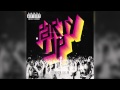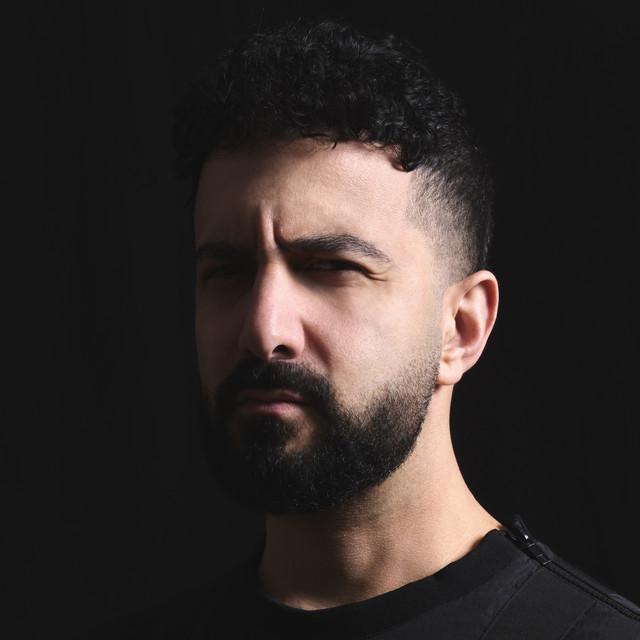
DESTRUCTO

Electronic
Dance
House
 Viberate Rank: 51095
 Viberate Rank: 51095
 Monthly ListenersFollowers
 Subscribers
 Followers
 Followers
 FansTop Spotify Songs
| Track | 7-Day Streams | |
|---|---|---|
1 | 48.48K | |
2 | 11.32K | |
3 | 8.94K | |
4 | 5.88K | |
5 | 5.56K |
Top YouTube VideosMonthly ListenersFeatured in Playlists| Playlist | Followers | |
|---|---|---|
1 |  BELCAST - GYM PLAYLIST🔥✨ Carlos Belcast | 148.74K |
2 |  80s Remix 90s Remix Club & Dance Lazerboyz | 134.31K |
3 |  Bass House 2026 Bass House Music | 120.44K |
4 | BANGERS 🔥 2026 Patrick | 94.00K |
5 | NEW SH*T || Updated weekly || ORIGINAL RAPCAVIAR Simon Grum | 91.04K |
Audience| City | Monthly Listeners | |
|---|---|---|
1 |  | 4.41K |
2 | | 4.39K |
3 | | 3.64K |
4 | | 3.37K |
5 |  | 2.76K |
See full performance history, audience data, playlist activity, rankings, comparisons, and more in Viberate music analytics. Start with a free trial, then continue with a paid plan.
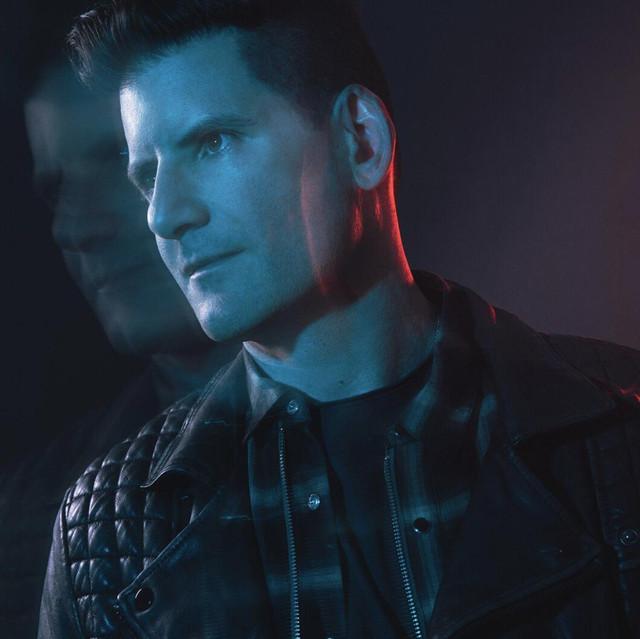
DESTRUCTO’s Spotify BioLongtime music industry figure Gary Richards goes by the name Destructo, producing and spinning an explosive mixture of electro-house and rap. Using the moniker since the early 1990s when he was an A&R for Rick Rubin's Def American Recordings, the DJ, concert promoter, and producer began releasing solo material on Boysnoize and OWSLA, starting with 2012's Technology EP. He began fusing dance music with gangsta rap and trap on 2014's West Coast, and has collaborated with major emcees such as E-40, Too $hort, and Busta Rhymes. Richards has been named one of EDM's most important figures by Rolling Stone and Billboard.
Los Angeles-based Gary Richards started organizing dance events in 1991, and Rick Rubin chose him to work as A&R for the electronic music division of Def American Recordings in 1993. He signed acts like Lords of Acid, Messiah, and God Lives Underwater, and worked out American deals with XL Recordings and Harthouse Records. As Destructo, he remixed Awesome 3's rave classic… "Don't Go," and played aggressive DJ sets of the hardest techno he could find. He later founded 1500 Records and Nitrus Records, and worked with artists such as David Holmes, Dub Pistols, Basement Jaxx, and many more.
Resuming his role as a concert promoter, he founded HARD Events in 2007. A successful New Year's Eve party led to annual festivals, later expanding to international tours. At the height of the 2010s EDM craze, he focused on his electronic music and promotion of HARD concerts with friends like Skrillex and Diplo. He also remixed such diverse acts as Giorgio Moroder, Warren G, Depeche Mode, and Major Lazer. He released a trio of EPs on OWSLA/Boysnoize: Technology (2012), Higher (2013), and West Coast (2014), which featured an impressive roster of guest spots by rappers like YG, Kurupt, and Ty Dolla $ign.
He continued to release singles in the following years, including "Shipfam" featuring Anna Lunoe and Sgt. Buzzkill and "4 Real" featuring past collaborator Ty Dolla $ign and iLoveMakonnen. The next year, "All Nite" arrived, featuring E-40, Too $hort, and Iamsu! That track, as well as "4 Real" and "Catching Plays" (with Pusha T and Starrah), were compiled on the 2017 EP Renegade. "Loaded" featured Yo Gotti, and Busta Rhymes appeared on the rambunctious 2018 track "Fucking Shit Up." Kevin Gates, Denzel Curry, and a returning Yo Gotti all guested on 2020 single "Bandz." ~ Neil Z. Yeung & Paul Simpson
Viberate is a music analytics platform built for A&Rs, artist managers, labels, booking agents, marketers, and artists.
It helps music professionals track artist growth, analyze audience data, monitor playlist activity, compare artists, follow song performance, and identify opportunities across the music market.
Public artist pages provide a free preview of selected artist data. Paid plans provide access to deeper analytics, historical data, charts, comparisons, playlist tools, exports, alerts, reports, and additional professional features.
Yes. Public Viberate artist pages provide selected artist analytics and music data for free.
Viberate also offers a 7-day free trial of the full platform. A credit card is required to start the trial. The trial includes access to the complete product so users can test deeper artist analytics, historical views, playlist insights, comparisons, charts, exports, alerts, and reporting features before choosing a paid plan.
Viberate provides artist analytics across streaming, playlists, social media, video, radio airplay, songs, and audience markets.
Users can analyze Spotify performance, Spotify and Apple Music playlists, YouTube activity, TikTok and Instagram growth, radio spins, song performance, audience locations, demographics, rankings, and overall artist momentum.
Artist profiles also connect to music charts, similar artists, and comparison tools, helping users benchmark performance and evaluate artists in context.
Viberate updates key artist and track data daily.
For followed artists and tracks, selected data is refreshed multiple times per day. This helps teams monitor playlist changes, streaming movement, audience growth, releases, and campaign performance with more current data.
Update frequency can vary depending on the metric and data source.
Yes. Viberate lets users compare up to five artists side by side across streaming, social media, audience, and engagement metrics.
Users can compare fanbase growth, audience demographics, locations, Spotify performance, social metrics, and other artist data over selected time periods.
Artist comparison can be used for A&R scouting, benchmarking, booking decisions, campaign planning, and evaluating artists with similar audiences or market positions.