Desolation Wilderness

Pop
Indie Pop
Shoegaze
 Viberate Rank: 758086
 Viberate Rank: 758086
 Monthly ListenersFollowers
 Subscribers
 Followers
 Followers
 FansTop Spotify Songs
| Track | 7-Day Streams | |
|---|---|---|
1 | 22 | |
2 | 22 | |
3 | 17 | |
4 | 16 | |
5 | 10 |
Top YouTube VideosMonthly ListenersFeatured in Playlists| Playlist | Followers | |
|---|---|---|
1 | shoedream mmastodonn | 23.43K |
2 |  Duyster (all tracks ever played) Wike | 8.15K |
3 |  Studio Brussel: duyster (all tracks ever played) Studio Brussel | 3.29K |
4 |  BIRP! 2009 - 2019 BIRP! | 2.20K |
5 |  SHOEGAZE cheman2007 | 1.88K |
Audience| City | Monthly Listeners | |
|---|---|---|
1 | | 7 |
2 | | 7 |
3 | | 6 |
4 | | 3 |
5 |  | 3 |
See full performance history, audience data, playlist activity, rankings, comparisons, and more in Viberate music analytics. Start with a free trial, then continue with a paid plan.
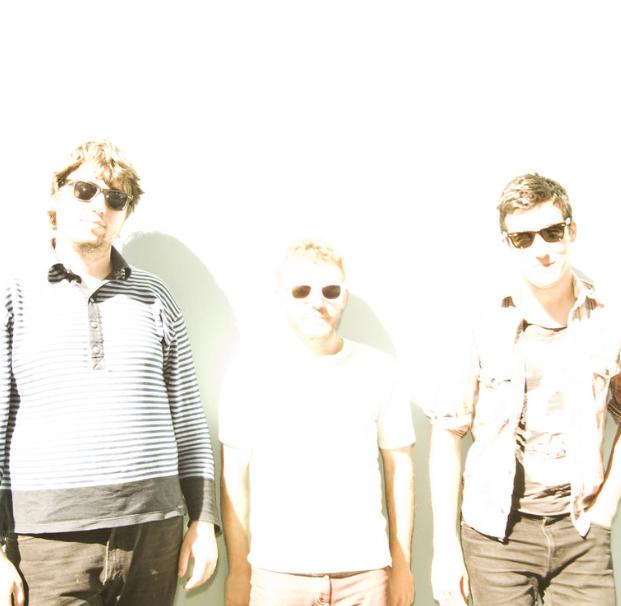
Desolation Wilderness’ Spotify BioOlympia, WA's Desolation Wilderness borrows cues from dreamy electro-pop and uses a loose analog recording method -- aided in no small degree by a Roland Space Echo, two Maestro Echoplex delay units, and several spring reverbs -- to create a narcotic, dusty take on the style. The concept was conceived in 2005 as a solo project of Nicolas Zwart, who started recording vocal and guitar tracks while he was still a senior at Olympia's liberal arts school, Evergreen College. His first album, the narcotic White Light Strobing, was written while Zwart was vacationing in his grandparents' Australian beach house in 2008 and then recorded in Calvin Johnson's K Records' Dub Narcotic Studio, where Zwart had interned the prior year. He performed most of the material himself, singing and overdubbing guitar, vibraphone, and synthesizer parts, while also enlisting the help of some musician friends. The album was fully realized once Evan Hashi played drums on the record, while Andrew Dorsett and Adam… Oelsner added guitar and bass to the mix. After a U.S. tour supporting the release of White Light Strobing, a 7" followed on K Records titled Until Forever, and a third full-length, Hey Someone, was released by Zwart himself in a limited run of 100 CD-R copies. ~ Jason Lymangrover, Rovi
Viberate is a music analytics platform built for A&Rs, artist managers, labels, booking agents, marketers, and artists.
It helps music professionals track artist growth, analyze audience data, monitor playlist activity, compare artists, follow song performance, and identify opportunities across the music market.
Public artist pages provide a free preview of selected artist data. Paid plans provide access to deeper analytics, historical data, charts, comparisons, playlist tools, exports, alerts, reports, and additional professional features.
Yes. Public Viberate artist pages provide selected artist analytics and music data for free.
Viberate also offers a 7-day free trial of the full platform. A credit card is required to start the trial. The trial includes access to the complete product so users can test deeper artist analytics, historical views, playlist insights, comparisons, charts, exports, alerts, and reporting features before choosing a paid plan.
Viberate provides artist analytics across streaming, playlists, social media, video, radio airplay, songs, and audience markets.
Users can analyze Spotify performance, Spotify and Apple Music playlists, YouTube activity, TikTok and Instagram growth, radio spins, song performance, audience locations, demographics, rankings, and overall artist momentum.
Artist profiles also connect to music charts, similar artists, and comparison tools, helping users benchmark performance and evaluate artists in context.
Viberate updates key artist and track data daily.
For followed artists and tracks, selected data is refreshed multiple times per day. This helps teams monitor playlist changes, streaming movement, audience growth, releases, and campaign performance with more current data.
Update frequency can vary depending on the metric and data source.
Yes. Viberate lets users compare up to five artists side by side across streaming, social media, audience, and engagement metrics.
Users can compare fanbase growth, audience demographics, locations, Spotify performance, social metrics, and other artist data over selected time periods.
Artist comparison can be used for A&R scouting, benchmarking, booking decisions, campaign planning, and evaluating artists with similar audiences or market positions.