Designed to Fail

Metal
Metalcore/Deathcore
Death Metal
 Viberate Rank: 574315
 Viberate Rank: 574315
 Monthly ListenersFollowers
 Subscribers
 Followers
 Followers
 FansTop Spotify Songs
| Track | 7-Day Streams | |
|---|---|---|
1 | 11 | |
2 | 9 | |
3 | 5 | |
4 | 4 | |
5 | 4 |
Top YouTube VideosMonthly ListenersFeatured in Playlists| Playlist | Followers | |
|---|---|---|
1 |  Deathcore Specialists Daegin Wood | 1.91K |
2 |  Top Of The Core Nick_nameless___ | 1.28K |
3 | New Core | Metalcore / Djentcore graphics54music | 1.25K |
4 |  Youngbloods of the Scene Scene Daddy | 1.09K |
Audience| City | Monthly Listeners | |
|---|---|---|
1 | | 10 |
2 | | 4 |
3 | | 4 |
4 | | 3 |
5 |  | 3 |
See full performance history, audience data, playlist activity, rankings, comparisons, and more in Viberate music analytics. Start with a free trial, then continue with a paid plan.
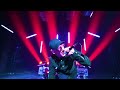
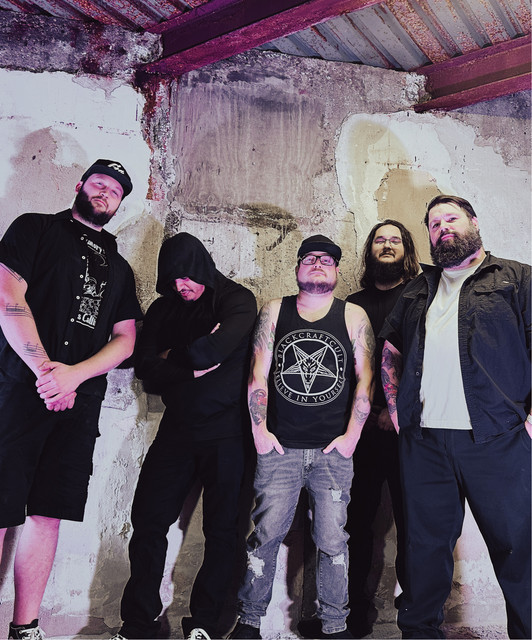
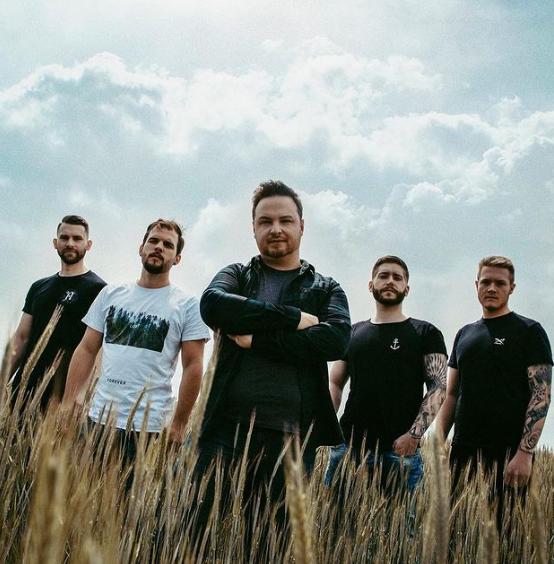
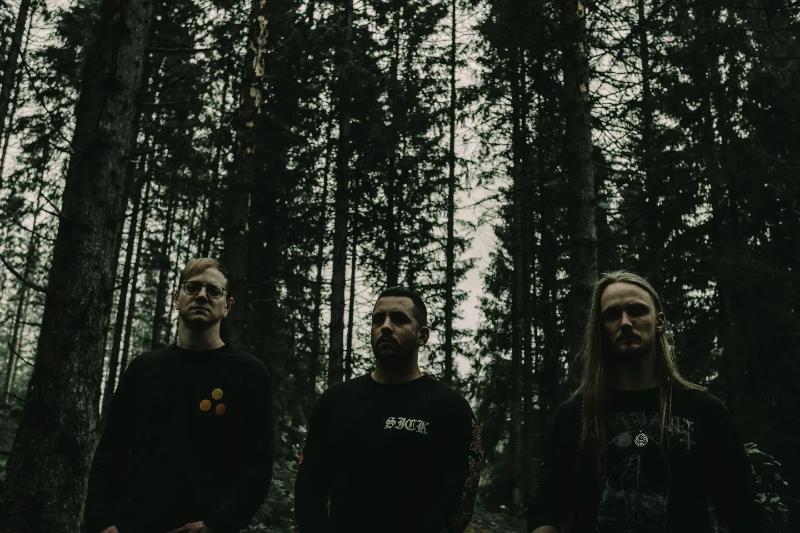
Designed to Fail’s Spotify BioDesigned to Fail is an up-and-coming 4-piece Modern Metal Act from the Rhineland Platz and surrounding area and based in Kaiserslautern Germany. Heavily influenced by modern Metal styles from Djent to Progressive Death Metal, their music varies between tight rhythmic parts and dark ambience effortlessly.
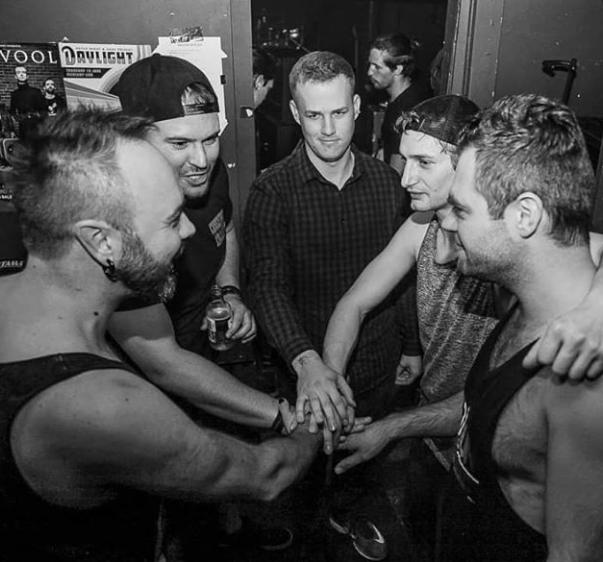
The relatively young band was formed in 2019 as Solo-Project by guitarist and bassist Anthony Dordell. Soon he was joined by Steven Di Mauro who lent his voice to the first 3 songs, which were released in 2020 and 2021 as “Self-Destruct Trilogy”. In early 2021, lured in by their riffage on “Hardened Discontent”, In 2021, Aaron Feller joined as on as a guitarist and the single “Bloodmoon” being written and recorded in only one session. Shortly after the E.P. “Bliss” was released, Aaron was dismissed from the band. Fast forward to 2023, we are now a full 4 piece band with Öykü Ilgar joining us on guitar, Charles Cawley on drums but after a 2 year relationship he sadly had to move leaving… Austin Pease to join us for our 2025 lineup. Last but not least Mathew Young doing song writing, and mixing and mastering for the bands projects! Shows planned for 2026 now!
Viberate is a music analytics platform built for A&Rs, artist managers, labels, booking agents, marketers, and artists.
It helps music professionals track artist growth, analyze audience data, monitor playlist activity, compare artists, follow song performance, and identify opportunities across the music market.
Public artist pages provide a free preview of selected artist data. Paid plans provide access to deeper analytics, historical data, charts, comparisons, playlist tools, exports, alerts, reports, and additional professional features.
Yes. Public Viberate artist pages provide selected artist analytics and music data for free.
Viberate also offers a 7-day free trial of the full platform. A credit card is required to start the trial. The trial includes access to the complete product so users can test deeper artist analytics, historical views, playlist insights, comparisons, charts, exports, alerts, and reporting features before choosing a paid plan.
Viberate provides artist analytics across streaming, playlists, social media, video, radio airplay, songs, and audience markets.
Users can analyze Spotify performance, Spotify and Apple Music playlists, YouTube activity, TikTok and Instagram growth, radio spins, song performance, audience locations, demographics, rankings, and overall artist momentum.
Artist profiles also connect to music charts, similar artists, and comparison tools, helping users benchmark performance and evaluate artists in context.
Viberate updates key artist and track data daily.
For followed artists and tracks, selected data is refreshed multiple times per day. This helps teams monitor playlist changes, streaming movement, audience growth, releases, and campaign performance with more current data.
Update frequency can vary depending on the metric and data source.
Yes. Viberate lets users compare up to five artists side by side across streaming, social media, audience, and engagement metrics.
Users can compare fanbase growth, audience demographics, locations, Spotify performance, social metrics, and other artist data over selected time periods.
Artist comparison can be used for A&R scouting, benchmarking, booking decisions, campaign planning, and evaluating artists with similar audiences or market positions.