Deserted Fear

Metal
Death Metal
 Viberate Rank: 168127
 Viberate Rank: 168127
 Monthly ListenersFollowers
 Subscribers
 Followers
 Followers
 FansTop Spotify Songs
| Track | 7-Day Streams | |
|---|---|---|
1 | 440 | |
2 | 338 | |
3 | 264 | |
4 | 234 | |
5 | 228 |
Top YouTube VideosMonthly ListenersFeatured in Playlists| Playlist | Followers | |
|---|---|---|
1 | Death Metal Dylan Bellusci | 67.91K |
2 |  The Sound of Everything The Sounds of Spotify | 53.82K |
3 | Rockers workout Chris Dial | 21.55K |
4 | Metal🤘🏻 Naydil González | 16.45K |
5 |  Parabelritter's Favoriten Silence Metal Massacre | 11.29K |
Audience| City | Monthly Listeners | |
|---|---|---|
1 | | 216 |
2 | | 208 |
3 | | 187 |
4 | | 180 |
5 | | 168 |
See full performance history, audience data, playlist activity, rankings, comparisons, and more in Viberate music analytics. Start with a free trial, then continue with a paid plan.
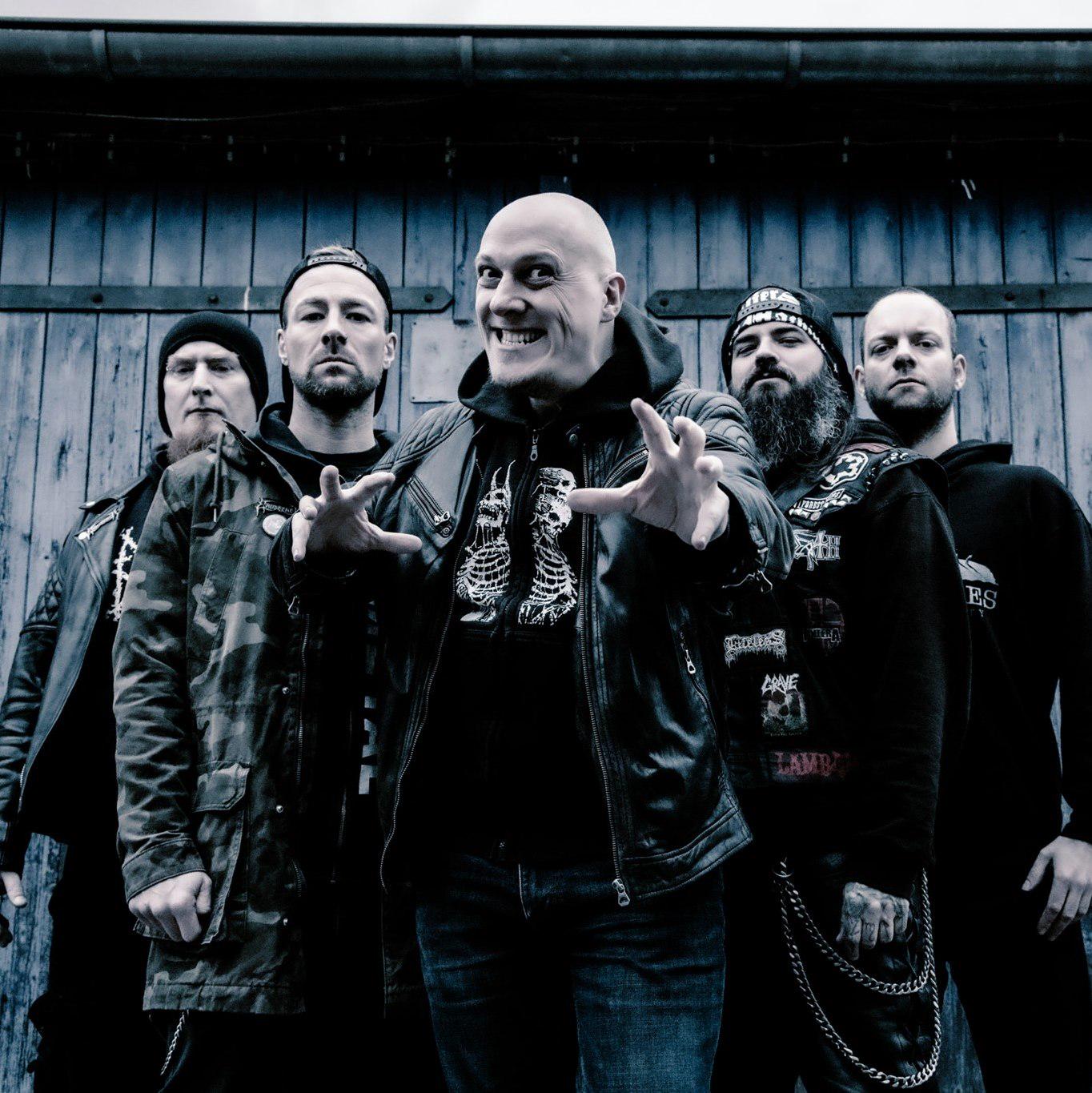
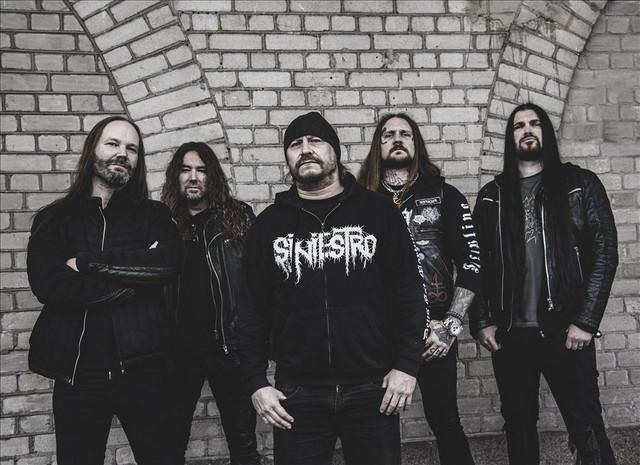
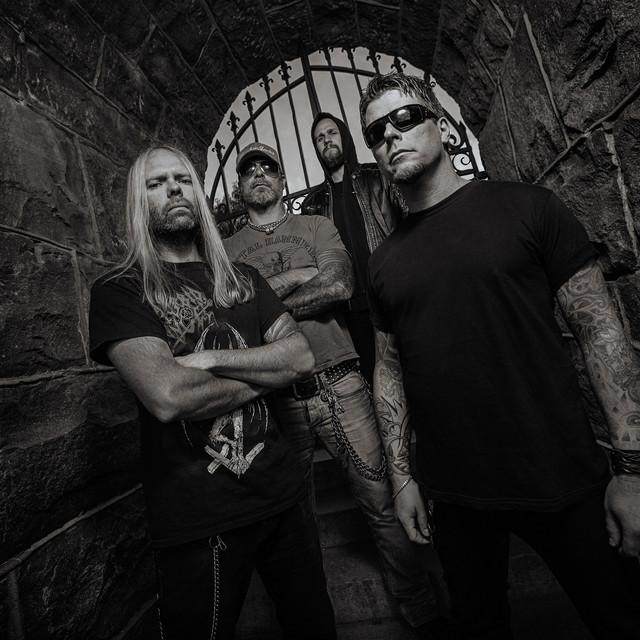
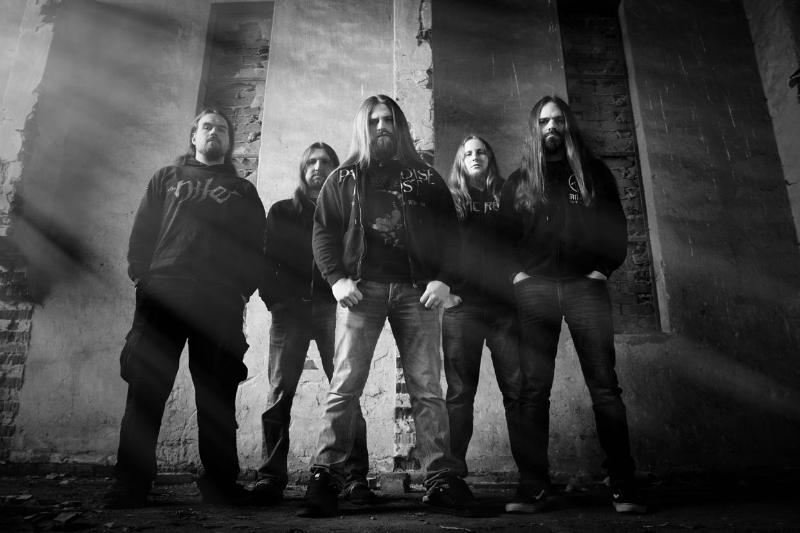
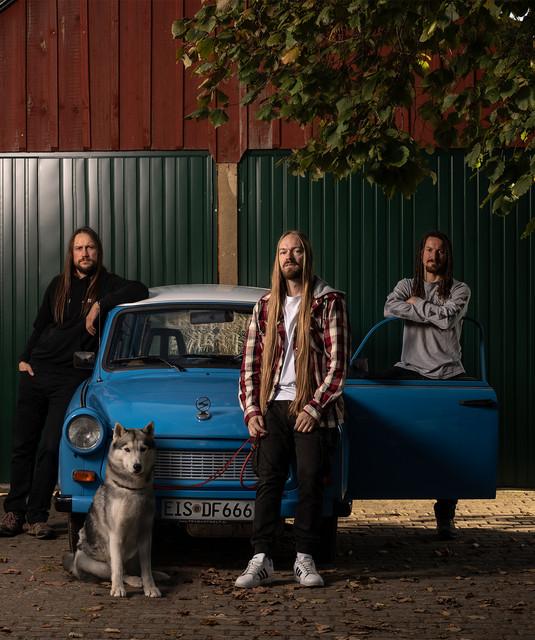
Deserted Fear’s Spotify BioThe rise of death metal trio DESERTED FEAR is both remarkable and thrilling. When the band was founded in the most appropriately named Thuringian city of Eisenberg, guitarist and vocalist Manuel Glatter, guitarist and main songwriter as well as producer Fabian Hildebrandt, and drummer Simon Mengs did probably not anticipate to end up at the forefront of the German scene.
Their debut album "My Empire", which was produced by Swedish legend Dan Swanö, hit the metal crowd hard in 2012. Critical acclaim and enthusiastic reactions from the fans provided an excellent starting point for DESERTED FEAR. With each new album, the balance shifted steadily to the melodic side, yet the band never lost its vicious bite. "Kingdom of Worms" (2014), "Dead Shores Rising" (2017), "Drowned by Humanity" (2019), and "Doomsday" (2022) all turned out as impressive milestones of DESERTED FEAR's still upward moving career.
The Germans also worked hard to acquire a reputation as an excellent live act. More than 250… shows across Europe, headlining and in support of such iconic acts as OBITUARY, AT THE GATES, MORBID ANGEL, DARK TRANQUILLITY, OVERKILL, and INSOMNIUM among many others speak volumes.
With "Veins of Fire", DESERTED FEAR open a new chapter in their impressive musical career. Although the respect for their deep death metal roots remains easily audible, the levels of confidence and mastery displayed in the songwriting as well as an avalanche of hooks take "Veins of Fire" up on a new level.
Viberate is a music analytics platform built for A&Rs, artist managers, labels, booking agents, marketers, and artists.
It helps music professionals track artist growth, analyze audience data, monitor playlist activity, compare artists, follow song performance, and identify opportunities across the music market.
Public artist pages provide a free preview of selected artist data. Paid plans provide access to deeper analytics, historical data, charts, comparisons, playlist tools, exports, alerts, reports, and additional professional features.
Yes. Public Viberate artist pages provide selected artist analytics and music data for free.
Viberate also offers a 7-day free trial of the full platform. A credit card is required to start the trial. The trial includes access to the complete product so users can test deeper artist analytics, historical views, playlist insights, comparisons, charts, exports, alerts, and reporting features before choosing a paid plan.
Viberate provides artist analytics across streaming, playlists, social media, video, radio airplay, songs, and audience markets.
Users can analyze Spotify performance, Spotify and Apple Music playlists, YouTube activity, TikTok and Instagram growth, radio spins, song performance, audience locations, demographics, rankings, and overall artist momentum.
Artist profiles also connect to music charts, similar artists, and comparison tools, helping users benchmark performance and evaluate artists in context.
Viberate updates key artist and track data daily.
For followed artists and tracks, selected data is refreshed multiple times per day. This helps teams monitor playlist changes, streaming movement, audience growth, releases, and campaign performance with more current data.
Update frequency can vary depending on the metric and data source.
Yes. Viberate lets users compare up to five artists side by side across streaming, social media, audience, and engagement metrics.
Users can compare fanbase growth, audience demographics, locations, Spotify performance, social metrics, and other artist data over selected time periods.
Artist comparison can be used for A&R scouting, benchmarking, booking decisions, campaign planning, and evaluating artists with similar audiences or market positions.