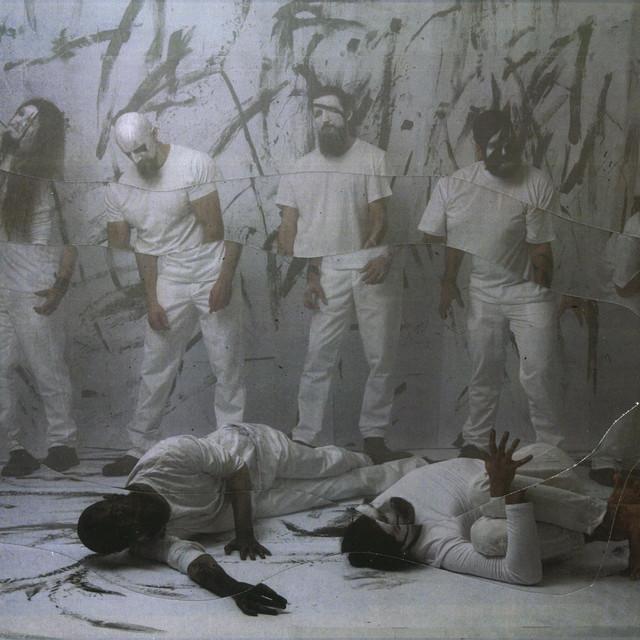
Descend into Despair

Metal
Doom/Sludge Metal
 Viberate Rank: 649999
 Viberate Rank: 649999
 Monthly ListenersFollowers
 Subscribers
 Followers
 Followers
 FansTop Spotify Songs
| Track | 7-Day Streams | |
|---|---|---|
1 | 5 | |
2 | 2 | |
3 | 1 | |
4 | 1 | |
5 | 1 |
Top YouTube VideosMonthly ListenersFeatured in Playlists| Playlist | Followers | |
|---|---|---|
1 |  The Sound of Funeral Doom The Sounds of Spotify | 2.01K |
Audience| City | Monthly Listeners | |
|---|---|---|
1 | | 3 |
See full performance history, audience data, playlist activity, rankings, comparisons, and more in Viberate music analytics. Start with a free trial, then continue with a paid plan.
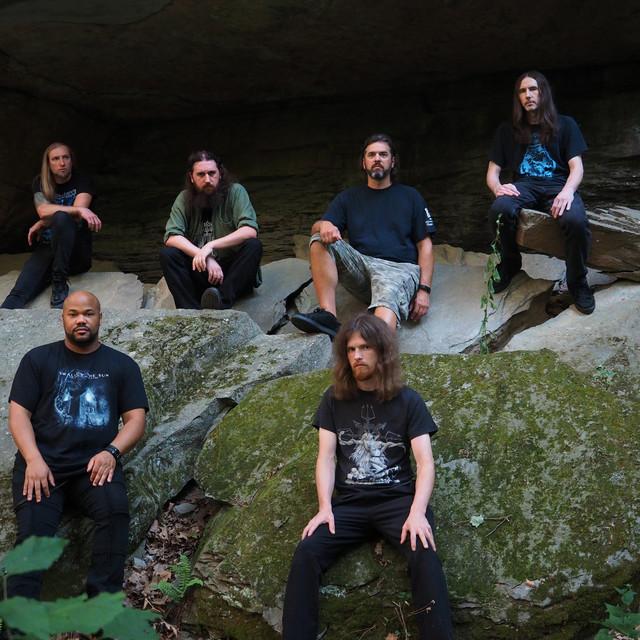
Descend into Despair’s Spotify BioOur roots go back to 2010 when we began as a duo of young
aspiring musicians. Gradually, we rose up to be one of the most
noteworthy bands in the local scene - with a fair amount of international
critical acclaim.
Four years of intense (and sometimes painful) growth - both as a band
and as individuals - culminated in mid-winter 2014 with with our first ever
full-length release: The Bearer of All Storms.
2017 brought forth the second Descend into Despair full-length:
Synaptic Veil - which has been met with enthusiasm both nationally and
internationally; gaining the status of a seminal work for Romanian Doom
Metal.
2020 brings a fresh shade on the old dichotomy between light and
darkness, projecting this onto the stained canvas of the human psyche;
an inner fringe reality where darkness can and will consume light while
also infusing it with meaning. Opium, our new album has a tri-fold structure:
two mirror opposites and a transition. As we departed from Synaptic Veil,
we felt that Descend into Despair… needed to hone its conceptual edge
again. As such, our musical motifs, lyrics, imagery and artwork are heavily
focused on these ideas .
Fusing together death metal, black metal, sludge, electronica and
dark ambient elements to further refine our Funeral Doom foundation, we
take pride in pushing creative boundaries and calling ourselves Descend
into Despair.
Viberate is a music analytics platform built for A&Rs, artist managers, labels, booking agents, marketers, and artists.
It helps music professionals track artist growth, analyze audience data, monitor playlist activity, compare artists, follow song performance, and identify opportunities across the music market.
Public artist pages provide a free preview of selected artist data. Paid plans provide access to deeper analytics, historical data, charts, comparisons, playlist tools, exports, alerts, reports, and additional professional features.
Yes. Public Viberate artist pages provide selected artist analytics and music data for free.
Viberate also offers a 7-day free trial of the full platform. A credit card is required to start the trial. The trial includes access to the complete product so users can test deeper artist analytics, historical views, playlist insights, comparisons, charts, exports, alerts, and reporting features before choosing a paid plan.
Viberate provides artist analytics across streaming, playlists, social media, video, radio airplay, songs, and audience markets.
Users can analyze Spotify performance, Spotify and Apple Music playlists, YouTube activity, TikTok and Instagram growth, radio spins, song performance, audience locations, demographics, rankings, and overall artist momentum.
Artist profiles also connect to music charts, similar artists, and comparison tools, helping users benchmark performance and evaluate artists in context.
Viberate updates key artist and track data daily.
For followed artists and tracks, selected data is refreshed multiple times per day. This helps teams monitor playlist changes, streaming movement, audience growth, releases, and campaign performance with more current data.
Update frequency can vary depending on the metric and data source.
Yes. Viberate lets users compare up to five artists side by side across streaming, social media, audience, and engagement metrics.
Users can compare fanbase growth, audience demographics, locations, Spotify performance, social metrics, and other artist data over selected time periods.
Artist comparison can be used for A&R scouting, benchmarking, booking decisions, campaign planning, and evaluating artists with similar audiences or market positions.