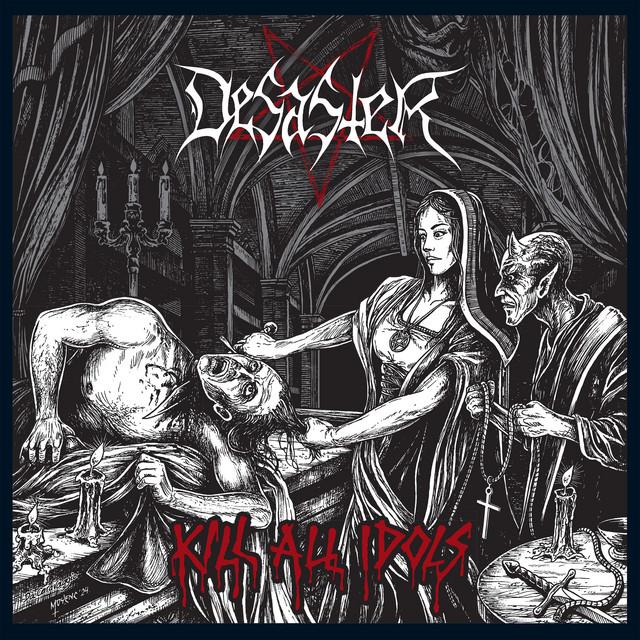
Desaster

Metal
Black Metal
Thrash Metal
 Viberate Rank: 126854
 Viberate Rank: 126854
 Monthly ListenersFollowers
 Subscribers
 Followers
 Followers
 FansTop Spotify Songs
| Track | 7-Day Streams | |
|---|---|---|
1 | 643 | |
2 | 509 | |
3 | 428 | |
4 | 406 | |
5 | 277 |
Top YouTube VideosMonthly ListenersFeatured in Playlists| Playlist | Followers | |
|---|---|---|
1 |  Crust Punk / D-Beat Miguel Ciprés Avendaño | 12.56K |
2 |  Metal Blade Essentials - New Releases Metal Blade Records | 5.59K |
3 |  Thrash Metal / Speed Metal From The Depths Subterranean Steel | 5.14K |
4 | Crust Punk | Metalpunk | D-beat | Black Metal ... Berenice Espinosa | 5.08K |
5 |  Blackened Thrash Metal T | 4.06K |
Audience| City | Monthly Listeners | |
|---|---|---|
1 |  | 290 |
2 |  | 207 |
3 |  | 142 |
4 |  | 139 |
5 | | 138 |
See full performance history, audience data, playlist activity, rankings, comparisons, and more in Viberate music analytics. Start with a free trial, then continue with a paid plan.
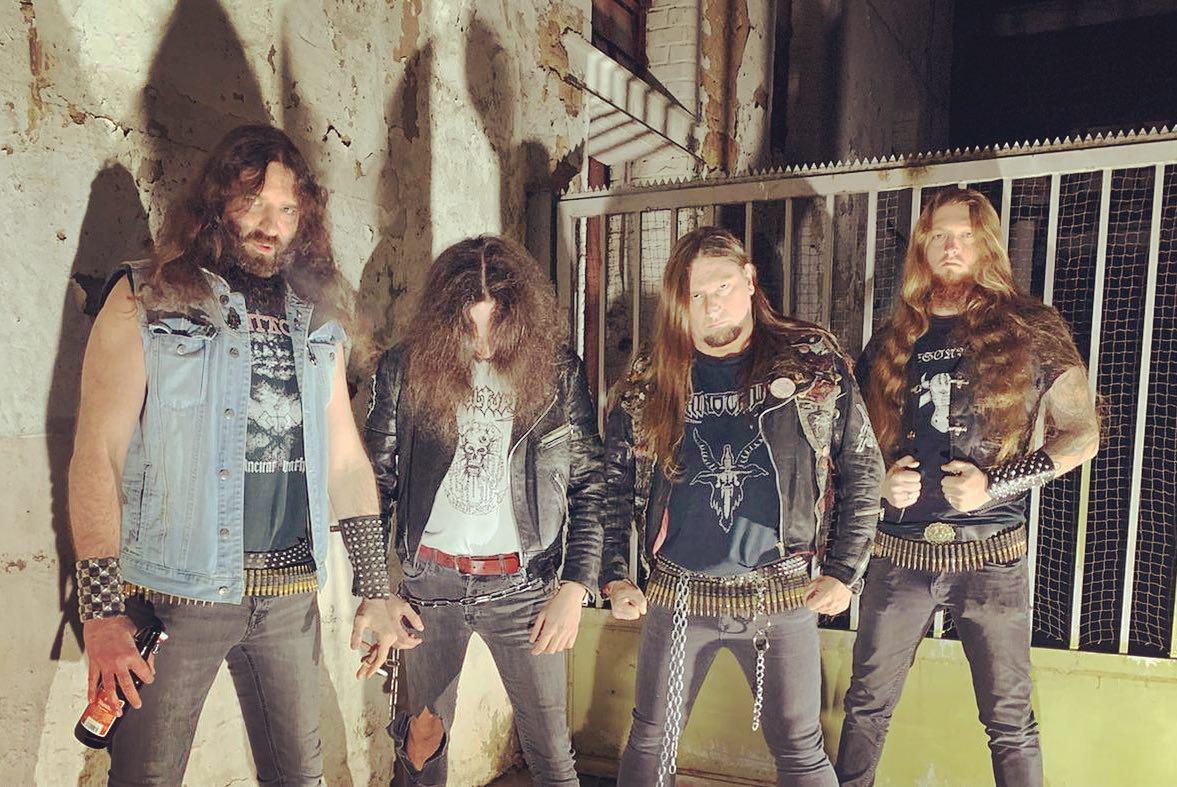
Desaster’s Spotify BioThe history of DESASTER reaches back as far as 1988 and the band played their first and now legendary live concert in 1989, which also marked the official birth of DESASTER.
In 1996 after years of line-up problems, DESASTER’s debut album „A touch of medieval darkness“ came out, earning much respect in underground circles worldwide, followed by „Hellfire’s Dominion“ (1998) and band’s third album „Tyrants of the Netherworld“ in late 2000. After several festival appearances in the summer of 2001 singer Okkulto left and was replaced shortly after by Sataniac.
Having issued their fourth album „Divine Blasphemies“ (2002), DESASTER joined forces with Metal Blade Records. They put out their fifth album „Angelwhore“ (2005), „666 – Satan´s Soldiers Syndicate“ in 2007, “The Arts of Destruction” (2012) and their eighth studio album „The Oath of an Iron Ritual“ in 2016. In 2018 the band decided to split up with drummer Tormentor, because his engagements in ASPHYX and SODOM left too little space for… DESASTER.
In 2019 the band´s 30 anniversary was celebrated with a special 7” single called “Black Celebration” which contained two brand new tracks with new drummer Hont.
DESASTER returned in 2021 with “Churches without saints”, their much respected 9th album so far.
Viberate is a music analytics platform built for A&Rs, artist managers, labels, booking agents, marketers, and artists.
It helps music professionals track artist growth, analyze audience data, monitor playlist activity, compare artists, follow song performance, and identify opportunities across the music market.
Public artist pages provide a free preview of selected artist data. Paid plans provide access to deeper analytics, historical data, charts, comparisons, playlist tools, exports, alerts, reports, and additional professional features.
Yes. Public Viberate artist pages provide selected artist analytics and music data for free.
Viberate also offers a 7-day free trial of the full platform. A credit card is required to start the trial. The trial includes access to the complete product so users can test deeper artist analytics, historical views, playlist insights, comparisons, charts, exports, alerts, and reporting features before choosing a paid plan.
Viberate provides artist analytics across streaming, playlists, social media, video, radio airplay, songs, and audience markets.
Users can analyze Spotify performance, Spotify and Apple Music playlists, YouTube activity, TikTok and Instagram growth, radio spins, song performance, audience locations, demographics, rankings, and overall artist momentum.
Artist profiles also connect to music charts, similar artists, and comparison tools, helping users benchmark performance and evaluate artists in context.
Viberate updates key artist and track data daily.
For followed artists and tracks, selected data is refreshed multiple times per day. This helps teams monitor playlist changes, streaming movement, audience growth, releases, and campaign performance with more current data.
Update frequency can vary depending on the metric and data source.
Yes. Viberate lets users compare up to five artists side by side across streaming, social media, audience, and engagement metrics.
Users can compare fanbase growth, audience demographics, locations, Spotify performance, social metrics, and other artist data over selected time periods.
Artist comparison can be used for A&R scouting, benchmarking, booking decisions, campaign planning, and evaluating artists with similar audiences or market positions.