Derek Wadsworth

Jazz
Big band Jazz
 Viberate Rank: 382244
 Viberate Rank: 382244
 Monthly ListenersFollowers
 Subscribers
 Followers
 Followers
 FansTop Spotify SongsTop YouTube VideosMonthly ListenersFeatured in Playlists
| Playlist | Followers | |
|---|---|---|
1 |  Red Dead Redemption 2 VCON | 144.12K |
2 |  Best of Movie, TV & Game Soundtracks by GuiguiF Guillaume Flahaut | 53.67K |
3 |  Love Island 2017 Love Island | 29.75K |
4 | Film music Victor de Graaff | 28.14K |
5 | BSO Selectas: Selección de Bandas Sonoras OST Jesus Prieto Mier | 19.69K |
Audience| City | Monthly Listeners | |
|---|---|---|
1 | | 39 |
2 | | 18 |
3 |  | 16 |
4 | | 11 |
5 |  | 11 |
See full performance history, audience data, playlist activity, rankings, comparisons, and more in Viberate music analytics. Start with a free trial, then continue with a paid plan.
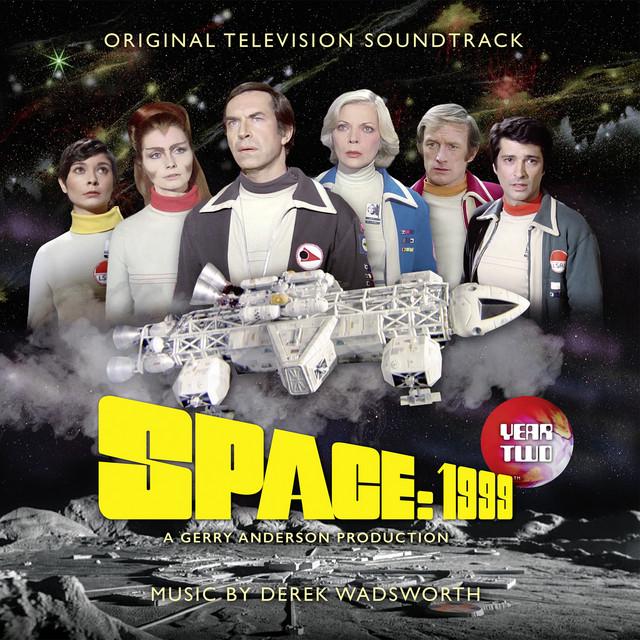
Derek Wadsworth’s Spotify Biob. 5 February 1939, Bradford, Yorkshire, England. Wadsworth began playing cornet as a child, and from the age of 11 performed and studied with brass bands. (This type of ensemble, playing popular music, light classics, etc, is a traditional form of music making in the area in which he was born and raised.) Later, he switched to trombone and began playing in dance bands. From the early 60s he was with a succession of leaders based in London. These bands included Georgie Fame, with whom he recorded and toured Europe, and a long spell with Humphrey Lyttelton that continued into the mid-70s. The 70s also saw Wadsworth in long-running musical relationships with Graham Collier, with whom he recorded, Songs For My Father, and John Dankworth. He also played in Maynard Ferguson’s band, including a tour of the USA in 1972 and also recording sessions. Wadsworth’s breadth of musical interests drove him to found the Musicians Union’s Rock Workshop, at which he lectured throughout the second half of… the 70s. He has also recorded with Al Jarreau and Mike Westbrook. Wadsworth is also a gifted composer and among his credits is the score for the 24-part British television series, Space 1999.
Viberate is a music analytics platform built for A&Rs, artist managers, labels, booking agents, marketers, and artists.
It helps music professionals track artist growth, analyze audience data, monitor playlist activity, compare artists, follow song performance, and identify opportunities across the music market.
Public artist pages provide a free preview of selected artist data. Paid plans provide access to deeper analytics, historical data, charts, comparisons, playlist tools, exports, alerts, reports, and additional professional features.
Yes. Public Viberate artist pages provide selected artist analytics and music data for free.
Viberate also offers a 7-day free trial of the full platform. A credit card is required to start the trial. The trial includes access to the complete product so users can test deeper artist analytics, historical views, playlist insights, comparisons, charts, exports, alerts, and reporting features before choosing a paid plan.
Viberate provides artist analytics across streaming, playlists, social media, video, radio airplay, songs, and audience markets.
Users can analyze Spotify performance, Spotify and Apple Music playlists, YouTube activity, TikTok and Instagram growth, radio spins, song performance, audience locations, demographics, rankings, and overall artist momentum.
Artist profiles also connect to music charts, similar artists, and comparison tools, helping users benchmark performance and evaluate artists in context.
Viberate updates key artist and track data daily.
For followed artists and tracks, selected data is refreshed multiple times per day. This helps teams monitor playlist changes, streaming movement, audience growth, releases, and campaign performance with more current data.
Update frequency can vary depending on the metric and data source.
Yes. Viberate lets users compare up to five artists side by side across streaming, social media, audience, and engagement metrics.
Users can compare fanbase growth, audience demographics, locations, Spotify performance, social metrics, and other artist data over selected time periods.
Artist comparison can be used for A&R scouting, benchmarking, booking decisions, campaign planning, and evaluating artists with similar audiences or market positions.