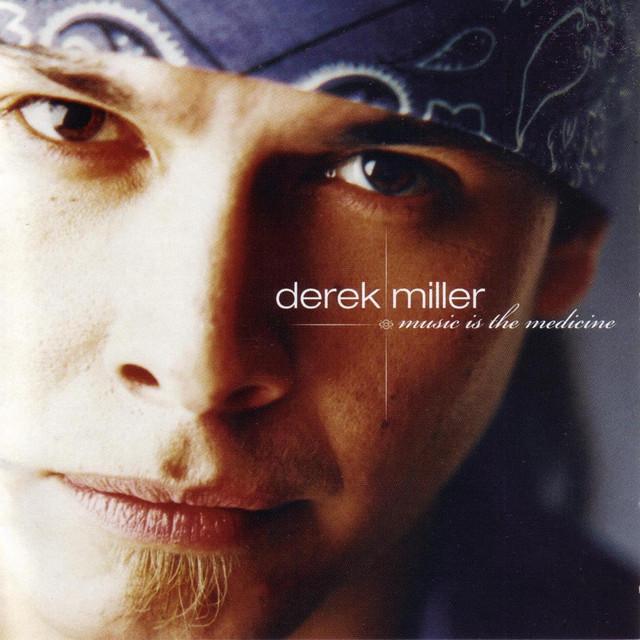
Derek Miller

Blues
Blues Rock
Classic Blues
 Viberate Rank: 279598
 Viberate Rank: 279598
 Monthly ListenersFollowers
 Subscribers
 Followers
 Followers
 FansTop Spotify Songs
| Track | 7-Day Streams | |
|---|---|---|
1 | 372 | |
2 | 261 | |
3 | 167 | |
4 | 112 | |
5 | 72 |
Top YouTube VideosMonthly ListenersFeatured in Playlists| Playlist | Followers | |
|---|---|---|
1 | Popular Songs in 432hz James N. Wilson | 24.60K |
2 |  Resident Alien Soundtrack emilyhardes95 | 14.80K |
3 |  POV: It's the 70s HomePod | 4.40K |
4 |  Blues badass Darko Bjekovic | 3.43K |
5 |  Indigenous: First Nations - Metis - Inuit Dustin Riel McGladrey | 3.19K |
Audience| City | Monthly Listeners | |
|---|---|---|
1 | | 239 |
2 | | 138 |
3 | | 130 |
4 | | 86 |
5 | | 75 |
See full performance history, audience data, playlist activity, rankings, comparisons, and more in Viberate music analytics. Start with a free trial, then continue with a paid plan.
Derek Miller’s Spotify BioGuitarist and singer/songwriter Derek Miller is a journeyman musician with eclectic taste and a knack for blues-inflected roots rock. Born on the Six Nations of the Grand River, Mohawk Territory, in Canada in 1974, Miller became interested in music in his early teens, and by the late '90s had not only toured with iconic Canadian vocalist Buffy Sainte-Marie, but had also won a Canadian Aboriginal Music Award. In 2000 he performed on and co-produced Keith Secola & the Wild Band's album Fingermonkey. Then, in 2002 he released his debut album, Music Is the Medicine, for which he garnered a Juno Award. Extensive touring followed his debut success, and by 2005 Miller found himself exhausted and struggling with drug and alcohol dependency. Subsequently, he entered rehab and spent the next year or so working to regain his physical, mental, and spiritual health. In 2007 he released his sophomore effort, The Dirty Looks. ~ Matt Collar, Rovi
Viberate is a music analytics platform built for A&Rs, artist managers, labels, booking agents, marketers, and artists.
It helps music professionals track artist growth, analyze audience data, monitor playlist activity, compare artists, follow song performance, and identify opportunities across the music market.
Public artist pages provide a free preview of selected artist data. Paid plans provide access to deeper analytics, historical data, charts, comparisons, playlist tools, exports, alerts, reports, and additional professional features.
Yes. Public Viberate artist pages provide selected artist analytics and music data for free.
Viberate also offers a 7-day free trial of the full platform. A credit card is required to start the trial. The trial includes access to the complete product so users can test deeper artist analytics, historical views, playlist insights, comparisons, charts, exports, alerts, and reporting features before choosing a paid plan.
Viberate provides artist analytics across streaming, playlists, social media, video, radio airplay, songs, and audience markets.
Users can analyze Spotify performance, Spotify and Apple Music playlists, YouTube activity, TikTok and Instagram growth, radio spins, song performance, audience locations, demographics, rankings, and overall artist momentum.
Artist profiles also connect to music charts, similar artists, and comparison tools, helping users benchmark performance and evaluate artists in context.
Viberate updates key artist and track data daily.
For followed artists and tracks, selected data is refreshed multiple times per day. This helps teams monitor playlist changes, streaming movement, audience growth, releases, and campaign performance with more current data.
Update frequency can vary depending on the metric and data source.
Yes. Viberate lets users compare up to five artists side by side across streaming, social media, audience, and engagement metrics.
Users can compare fanbase growth, audience demographics, locations, Spotify performance, social metrics, and other artist data over selected time periods.
Artist comparison can be used for A&R scouting, benchmarking, booking decisions, campaign planning, and evaluating artists with similar audiences or market positions.