Denny Jiosa

Jazz
Smooth Jazz
Jazz Fusion
 Viberate Rank: 337901
 Viberate Rank: 337901
 Monthly ListenersFollowers
 Subscribers
 Followers
 Followers
 FansTop Spotify Songs
| Track | 7-Day Streams | |
|---|---|---|
1 | 102 | |
2 | 60 | |
3 | 58 | |
4 | 46 | |
5 | 37 |
Top YouTube VideosMonthly ListenersFeatured in Playlists| Playlist | Followers | |
|---|---|---|
1 |  Smooth Jazz ¤ The Best onaraya | 33.94K |
2 |  Jazz-Rock Fusion Morgan Roussel | 7.54K |
3 | Bass Guitar & Smooth/Funky/Jazz edwin170169 | 6.77K |
4 | SMOOTH JAZZ RADIO DJ BOB GAYE | 5.99K |
5 |  Upbeat Smooth Jazz SONICURATOR | 5.05K |
Audience| City | Monthly Listeners | |
|---|---|---|
1 | | 18 |
2 | | 11 |
3 | | 11 |
4 | | 11 |
5 | | 11 |
See full performance history, audience data, playlist activity, rankings, comparisons, and more in Viberate music analytics. Start with a free trial, then continue with a paid plan.
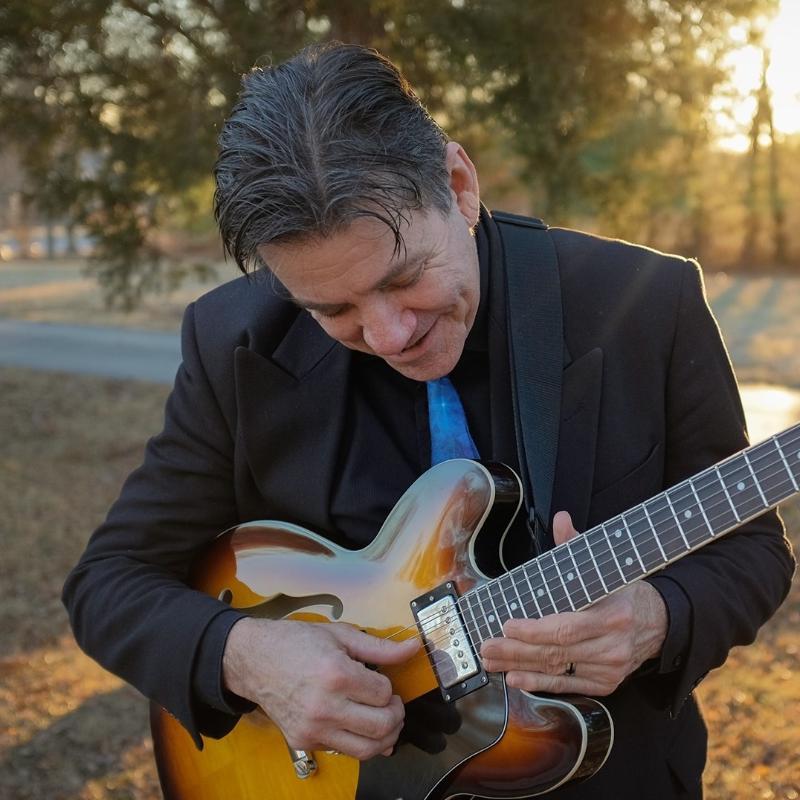
Denny Jiosa’s Spotify BioDecidedly not geared toward purists, guitarist/composer Denny Jiosa's music blends cool Wes Montgomery-esque jazz with elements of rock & roll, gospel, R&B, and blues, growing out of his extensive experience as a wide-ranging Nashville session musician and producer.
A native of Huntington, IN, Jiosa began learning the guitar at age seven; by 13, his band was performing at school dances around the area. During high school, Jiosa also played trumpet, French horn, and bass, and sang in the choir. Jiosa's early love was rock, especially artists like Steely Dan, the Doobie Brothers, Santana, and Grand Funk Railroad, but his tastes gradually broadened to include jazz and blues. In the late '70s, Jiosa joined Troy Shondell's band, touring the country on the '50s rock & roll revival circuit. Other bands led to opening slots for such artists as B.B. King, Glen Campbell, and Leon Russell.
Jiosa moved to Los Angeles in the mid-'80s to attend the Guitar Institute of Technology and develop his jazz… chops, also taking private lessons with Frank Gambale. Upon his graduation, he moved to Nashville and did session work for country and R&B acts. While in Nashville, Jiosa successfully auditioned (as both an actor and musician) for a part in a six-character touring musical, Pump Boys & Dinettes, and again toured the country. After returning at the outset of the '90s, Jiosa was hired to manage a recording studio, where he added producing, arranging, and engineering to his instrumental duties; his greatest successes came with gospel singers Yolanda Adams and Ben Tankard.
Meanwhile, Jiosa was also honing his compositional skills. His first solo recording, Moving Pictures, appeared in 1995; it was followed by 1996's Inner Voices (which contained the radio hit "Lights of the City"), 1998's Jazzberry Pie, and 1999's Among Friends. Jiosa's music has proven especially popular with new adult contemporary and smooth jazz radio formats. ~ Steve Huey, Rovi
Viberate is a music analytics platform built for A&Rs, artist managers, labels, booking agents, marketers, and artists.
It helps music professionals track artist growth, analyze audience data, monitor playlist activity, compare artists, follow song performance, and identify opportunities across the music market.
Public artist pages provide a free preview of selected artist data. Paid plans provide access to deeper analytics, historical data, charts, comparisons, playlist tools, exports, alerts, reports, and additional professional features.
Yes. Public Viberate artist pages provide selected artist analytics and music data for free.
Viberate also offers a 7-day free trial of the full platform. A credit card is required to start the trial. The trial includes access to the complete product so users can test deeper artist analytics, historical views, playlist insights, comparisons, charts, exports, alerts, and reporting features before choosing a paid plan.
Viberate provides artist analytics across streaming, playlists, social media, video, radio airplay, songs, and audience markets.
Users can analyze Spotify performance, Spotify and Apple Music playlists, YouTube activity, TikTok and Instagram growth, radio spins, song performance, audience locations, demographics, rankings, and overall artist momentum.
Artist profiles also connect to music charts, similar artists, and comparison tools, helping users benchmark performance and evaluate artists in context.
Viberate updates key artist and track data daily.
For followed artists and tracks, selected data is refreshed multiple times per day. This helps teams monitor playlist changes, streaming movement, audience growth, releases, and campaign performance with more current data.
Update frequency can vary depending on the metric and data source.
Yes. Viberate lets users compare up to five artists side by side across streaming, social media, audience, and engagement metrics.
Users can compare fanbase growth, audience demographics, locations, Spotify performance, social metrics, and other artist data over selected time periods.
Artist comparison can be used for A&R scouting, benchmarking, booking decisions, campaign planning, and evaluating artists with similar audiences or market positions.