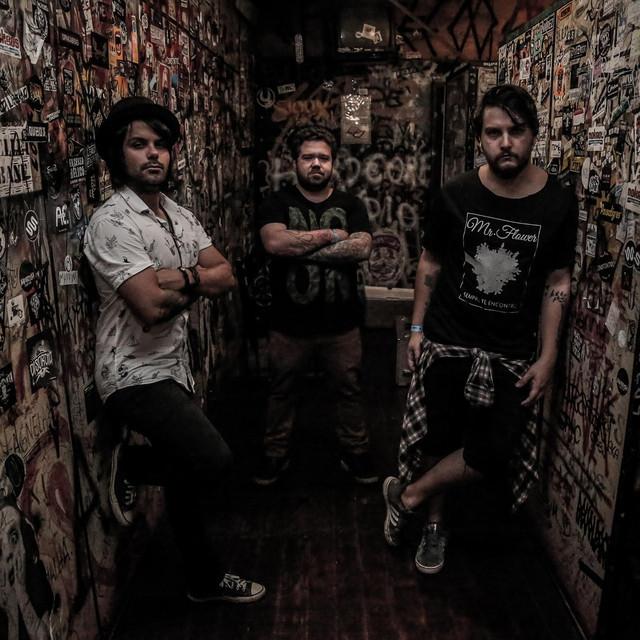
Delittus

Rock
Alternative Rock
Hardcore Punk
 Viberate Rank: 197587
 Viberate Rank: 197587
 Monthly ListenersFollowers
 Subscribers
 Followers
 Followers
 FansTop Spotify Songs
| Track | 7-Day Streams | |
|---|---|---|
1 | 3.07K | |
2 | 1.43K | |
3 | 1.32K | |
4 | 1.22K | |
5 | 1.02K |
Top YouTube VideosMonthly ListenersFeatured in Playlists| Playlist | Followers | |
|---|---|---|
1 |  Emo Brasil 2000 Leonardo Pereira | 23.03K |
2 | Emo Brasil Luan Lazaroni | 3.81K |
3 |  Emocore Brasil 2000 Raphael Ferrer | 3.33K |
4 |  Rock de Colégio | CPM 22, Tarde de Outubro, Hateen, Dibob + Punk BR Red Fox Records. | 2.89K |
5 |  This Is Hateen Spotify | 2.48K |
Audience| City | Monthly Listeners | |
|---|---|---|
1 | | 2.70K |
2 | | 754 |
3 | | 675 |
4 | | 598 |
5 | | 588 |
See full performance history, audience data, playlist activity, rankings, comparisons, and more in Viberate music analytics. Start with a free trial, then continue with a paid plan.
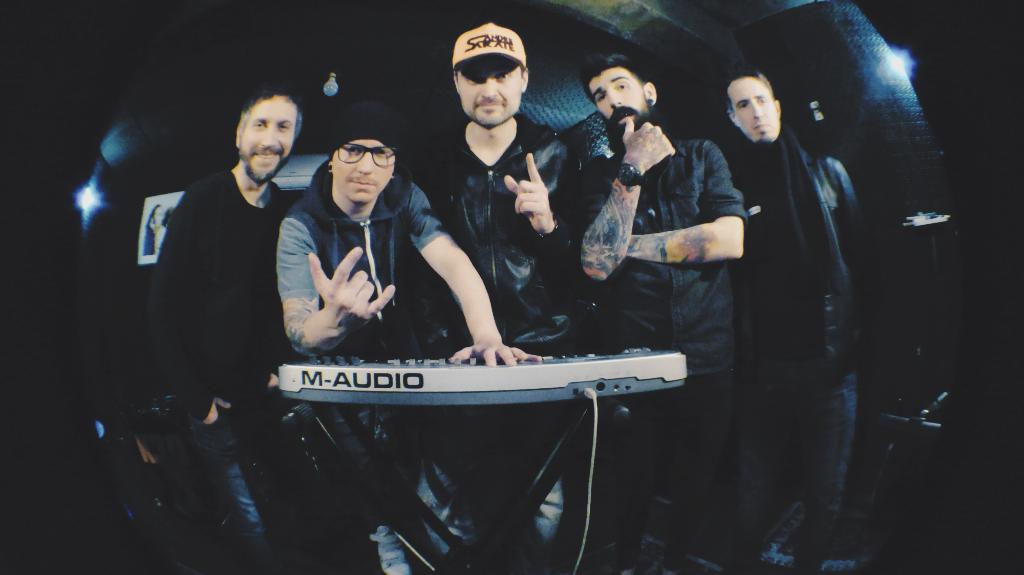
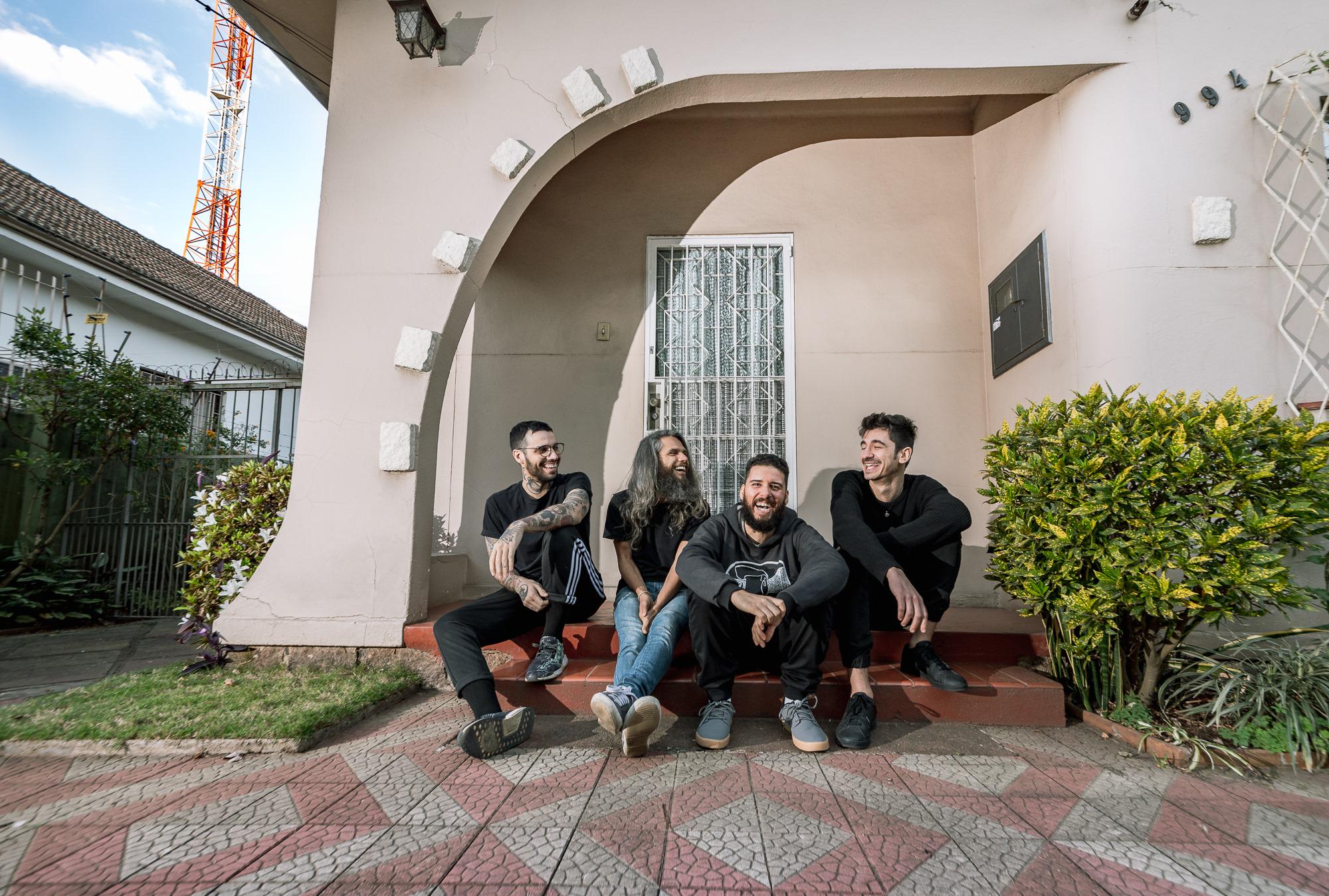
Delittus’ Spotify BioA Delittus é uma banda de rock que nasceu em Novo Hamburgo/RS por volta de 2006 com o lançamento do seu primeiro EP "Sobre o outro lado do espelho".
Em 2010 a Delittus passa a residir em SP e construir uma carreira sólida com diversos shows entre capital e interior, fazendo cada vez mais um público considerável na região paulista.
Em 2011 é lançado seu primeiro CD oficial, o "Resistência", lançado pela gravadora ACIT/Antídoto.
De 2011 até 2015 a banda se separa de seu vocalista original, Matt Chelios e além do Resistência a Delittus viria a lançar em 2014 o CD "Gênesis", também na voz de John Menger.
A partir de 2015, acontece o retorno da formação original com Matt Chelios nos vocais, Burn Eidelwein nas guitarras e vocais e Fell Rios na bateria, assim sendo a banda passa a divulgar seu mais novo trabalho de inéditas, o EP "Volta" que teve seu lançamento oficial em São Paulo no Feeling Music Bar, onde a banda mais uma vez mostrou sua força em terras paulistas.
Em 2018, após um ano e meio de… turnê do EP "Volta" que resultou em dois clipes com ótima repercussão nas redes contribuindo para o marco de um milhão de views no canal da banda, a Delittus resolveu parar, anunciou sua última tour pelo Brasil, passando por SP, RS, SC,BA e PE.
Após dois anos de pausa os integrantes se reuniram para a gravação de um disco comemorativo de 15 anos, esse disco virou um show de despedida no lendário Bar Opinião em Porto Alegre em julho de 2022 quando o grupo encerrou suas atividades.
Viberate is a music analytics platform built for A&Rs, artist managers, labels, booking agents, marketers, and artists.
It helps music professionals track artist growth, analyze audience data, monitor playlist activity, compare artists, follow song performance, and identify opportunities across the music market.
Public artist pages provide a free preview of selected artist data. Paid plans provide access to deeper analytics, historical data, charts, comparisons, playlist tools, exports, alerts, reports, and additional professional features.
Yes. Public Viberate artist pages provide selected artist analytics and music data for free.
Viberate also offers a 7-day free trial of the full platform. A credit card is required to start the trial. The trial includes access to the complete product so users can test deeper artist analytics, historical views, playlist insights, comparisons, charts, exports, alerts, and reporting features before choosing a paid plan.
Viberate provides artist analytics across streaming, playlists, social media, video, radio airplay, songs, and audience markets.
Users can analyze Spotify performance, Spotify and Apple Music playlists, YouTube activity, TikTok and Instagram growth, radio spins, song performance, audience locations, demographics, rankings, and overall artist momentum.
Artist profiles also connect to music charts, similar artists, and comparison tools, helping users benchmark performance and evaluate artists in context.
Viberate updates key artist and track data daily.
For followed artists and tracks, selected data is refreshed multiple times per day. This helps teams monitor playlist changes, streaming movement, audience growth, releases, and campaign performance with more current data.
Update frequency can vary depending on the metric and data source.
Yes. Viberate lets users compare up to five artists side by side across streaming, social media, audience, and engagement metrics.
Users can compare fanbase growth, audience demographics, locations, Spotify performance, social metrics, and other artist data over selected time periods.
Artist comparison can be used for A&R scouting, benchmarking, booking decisions, campaign planning, and evaluating artists with similar audiences or market positions.