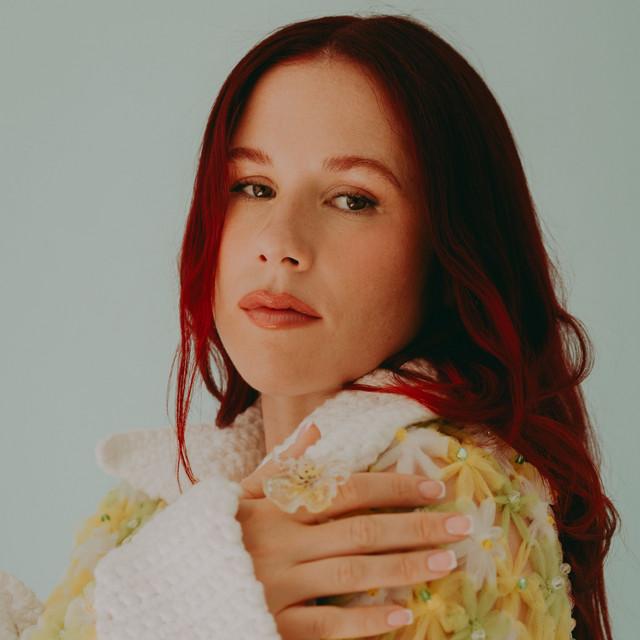
Delilah

Pop
Mainstream Pop
Indie Pop
 Viberate Rank: 51593
 Viberate Rank: 51593
 Monthly ListenersFollowers
 Subscribers
 Followers
 Followers
 FansTop Spotify Songs
| Track | 7-Day Streams | |
|---|---|---|
1 | 131.76K | |
2 | 10.61K | |
3 | 8.29K | |
4 | 6.78K | |
5 | 6.60K |
Top YouTube VideosMonthly ListenersFeatured in Playlists| Playlist | Followers | |
|---|---|---|
1 |  Ibiza Party 2026 🌴☀️ Ibiza Playlists | 132.79K |
2 |  Ibiza Anthems | Ministry of Sound Ministry of Sound | 124.05K |
3 | Music Mix= Laura Taylor | 115.54K |
4 |  House Music 2026 🙌 Music Playlists | 107.23K |
5 |  This Is Chase & Status Spotify | 106.95K |
Audience| City | Monthly Listeners | |
|---|---|---|
1 | | 7.21K |
2 | | 3.13K |
3 |  | 2.62K |
4 |  | 2.11K |
5 | | 1.94K |
See full performance history, audience data, playlist activity, rankings, comparisons, and more in Viberate music analytics. Start with a free trial, then continue with a paid plan.
Delilah’s Spotify BioBritish vocalist Delilah makes atmospheric R&B, trip-hop, and singer/songwriter electronic pop. She debuted with 2012's From the Roots Up, hitting the U.K. Top Ten.
Born Paloma Stoecker in France in 1990, she moved to North London with her mom at a young age. Influenced by her DJ/record-label owner stepfather -- who died in a car crash in 2002 -- she began writing her own songs. After high school, Stoecker studied entertainment law and music technology at City and Islington College, during which time she began recording her music. In 2009, at age 17, she was signed to Atlantic Records. A few years later, to avoid confusion with pop singer Paloma Faith, Stoecker started using her Cuban great-grandmother's name, Delilah, as a stage name. In 2012, Delilah released her debut album, From the Roots Up, featuring the single "Go" and a cover of Minnie Riperton's "Inside My Love." It peaked at number five on the U.K. Albums Chart. That same year, she opened for Prince on several stops on his… Australian tour. ~ Matt Collar, Rovi
Viberate is a music analytics platform built for A&Rs, artist managers, labels, booking agents, marketers, and artists.
It helps music professionals track artist growth, analyze audience data, monitor playlist activity, compare artists, follow song performance, and identify opportunities across the music market.
Public artist pages provide a free preview of selected artist data. Paid plans provide access to deeper analytics, historical data, charts, comparisons, playlist tools, exports, alerts, reports, and additional professional features.
Yes. Public Viberate artist pages provide selected artist analytics and music data for free.
Viberate also offers a 7-day free trial of the full platform. A credit card is required to start the trial. The trial includes access to the complete product so users can test deeper artist analytics, historical views, playlist insights, comparisons, charts, exports, alerts, and reporting features before choosing a paid plan.
Viberate provides artist analytics across streaming, playlists, social media, video, radio airplay, songs, and audience markets.
Users can analyze Spotify performance, Spotify and Apple Music playlists, YouTube activity, TikTok and Instagram growth, radio spins, song performance, audience locations, demographics, rankings, and overall artist momentum.
Artist profiles also connect to music charts, similar artists, and comparison tools, helping users benchmark performance and evaluate artists in context.
Viberate updates key artist and track data daily.
For followed artists and tracks, selected data is refreshed multiple times per day. This helps teams monitor playlist changes, streaming movement, audience growth, releases, and campaign performance with more current data.
Update frequency can vary depending on the metric and data source.
Yes. Viberate lets users compare up to five artists side by side across streaming, social media, audience, and engagement metrics.
Users can compare fanbase growth, audience demographics, locations, Spotify performance, social metrics, and other artist data over selected time periods.
Artist comparison can be used for A&R scouting, benchmarking, booking decisions, campaign planning, and evaluating artists with similar audiences or market positions.