Deitus

Metal
Black Metal
 Viberate Rank: 300281
 Viberate Rank: 300281
 Monthly ListenersFollowers
 Subscribers
 Followers
 Followers
 FansTop Spotify Songs
| Track | 7-Day Streams | |
|---|---|---|
1 | 340 | |
2 | 68 | |
3 | 52 | |
4 | 46 | |
5 | 45 |
Top YouTube VideosMonthly ListenersFeatured in Playlists| Playlist | Followers | |
|---|---|---|
1 | Raw Black Metal Mike Beliveau | 9.25K |
2 |  Destructive Albums emrek | 3.42K |
3 |  Black Metal Promotion T | 3.26K |
4 |  Atmospheric Black Metal. alba | 2.76K |
5 | Black Metal Promotion Josh | 2.55K |
Audience| City | Monthly Listeners | |
|---|---|---|
1 |  | 34 |
2 | | 26 |
3 |  | 23 |
4 |  | 21 |
5 |  | 19 |
See full performance history, audience data, playlist activity, rankings, comparisons, and more in Viberate music analytics. Start with a free trial, then continue with a paid plan.
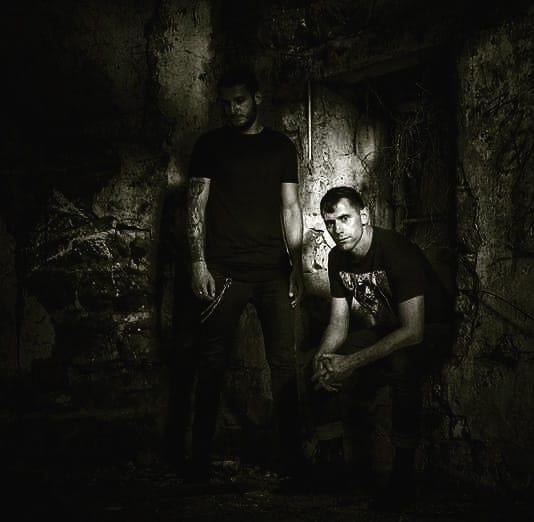
Deitus’ Spotify BioFormed in 2004, Deitus (London, U.K.) create sonic terror with no limits and no compromises, taking inspiration from such artists as Dissection, Slayer, GG Allin and Fields of the Nephilim.
Deitus produce raw, dark and melodic soundscapes that have helped to win them high praise for their notoriously rabid and unpredictable live performances across the U.K., Europe, the United States and Mexico. They have played at various festivals across the globe including Bloodstock Festival (U.K.), Netherlands Deathfest (NL), Underground For The Masses (RO), De Mortem et Diabolum (DE), Winter Rising (FR) and Sangre Y Fuego para Mictlantecuhtli (MX) to name a few.
The latest album ‘Irreversible’ was engineered by Greg Chandler at Priory Recording Studios with mixing and mastering completed by the infamous Tore Stjerna at Necromborbus Studio. It follows on from their two highly-acclaimed studio albums to date: ‘Acta Non Verba’ (2016) and ‘Via Dolorosa’ (2018). ‘Irreversible’ was released by the… legendary Candlelight Records in July 2023 and this partnership will only serve to inflict the sinister and vicious art of Deitus to an even wider audience.
Viberate is a music analytics platform built for A&Rs, artist managers, labels, booking agents, marketers, and artists.
It helps music professionals track artist growth, analyze audience data, monitor playlist activity, compare artists, follow song performance, and identify opportunities across the music market.
Public artist pages provide a free preview of selected artist data. Paid plans provide access to deeper analytics, historical data, charts, comparisons, playlist tools, exports, alerts, reports, and additional professional features.
Yes. Public Viberate artist pages provide selected artist analytics and music data for free.
Viberate also offers a 7-day free trial of the full platform. A credit card is required to start the trial. The trial includes access to the complete product so users can test deeper artist analytics, historical views, playlist insights, comparisons, charts, exports, alerts, and reporting features before choosing a paid plan.
Viberate provides artist analytics across streaming, playlists, social media, video, radio airplay, songs, and audience markets.
Users can analyze Spotify performance, Spotify and Apple Music playlists, YouTube activity, TikTok and Instagram growth, radio spins, song performance, audience locations, demographics, rankings, and overall artist momentum.
Artist profiles also connect to music charts, similar artists, and comparison tools, helping users benchmark performance and evaluate artists in context.
Viberate updates key artist and track data daily.
For followed artists and tracks, selected data is refreshed multiple times per day. This helps teams monitor playlist changes, streaming movement, audience growth, releases, and campaign performance with more current data.
Update frequency can vary depending on the metric and data source.
Yes. Viberate lets users compare up to five artists side by side across streaming, social media, audience, and engagement metrics.
Users can compare fanbase growth, audience demographics, locations, Spotify performance, social metrics, and other artist data over selected time periods.
Artist comparison can be used for A&R scouting, benchmarking, booking decisions, campaign planning, and evaluating artists with similar audiences or market positions.