Deheb

Electronic
Downtempo
Breakbeat
 Viberate Rank: 262839
 Viberate Rank: 262839
 Monthly ListenersFollowers
 Subscribers
 Followers
 Followers
 FansTop Spotify Songs
| Track | 7-Day Streams | |
|---|---|---|
1 | 4.40K | |
2 | 3.86K | |
3 | 2.41K | |
4 | 387 | |
5 | 332 |
Top YouTube Videos| Video | 7-Day Views | |
|---|---|---|
1 | 1 |
Monthly ListenersFeatured in Playlists| Playlist | Followers | |
|---|---|---|
1 |  Breakdance Beats bboy-net | 36.16K |
2 |  Break dance, Battle hip hop Ant56000🤙 | 19.16K |
3 |  Downtempo Chill SBS Chill | 16.49K |
4 | BREAK BEATS Vera Carpe | 15.18K |
5 |  FIP Radio (en live) Matthou | 13.31K |
Audience| City | Monthly Listeners | |
|---|---|---|
1 |  | 521 |
2 |  | 476 |
3 |  | 452 |
4 | | 352 |
5 | | 331 |
See full performance history, audience data, playlist activity, rankings, comparisons, and more in Viberate music analytics. Start with a free trial, then continue with a paid plan.
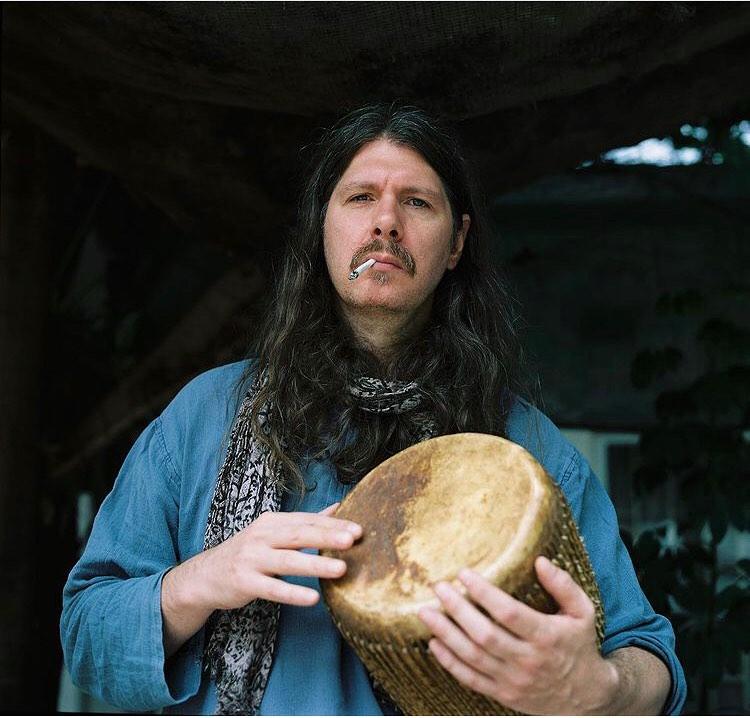
Deheb’s Spotify BioDeheb (Prononced «Day-Heb», means gold in arabic), grew up in France. His love for music originated from his dad, who used to play Stevie Wonder or Michael Jackson's records every saturday.
A few years later, he and his brother used to sneak out of their room to watch "Rapline", one of the first hip hop show on french TV. That's when he discovered some of the early rap videos, and he rapidly became a fan of Public Enemy and De La Soul.
Deheb started deejaying in 1997. In 2001 he issued his first mixtape “La chronique” (the chronic), on which he remixed some of the year's biggest rap tunes on his own beats. 2004 was the year of “Back to the Break” (with b-boy Bonz), a mix cd for b-boys and dj’s, with a soul-funk/old school rap tracklisting. Then, in 2005, came the french critically acclaimed “Lexxfiles”, a mix album with rapper Lexxcoop.
He really switched to beatmaking around 2004, producing hip hop beats with a huge funky influence. In 2006, he produced “Top of the block pt.2” for Apani… ft. Big Noyd. He established himself working with mc’s like Apani, Shabaam Sahdeeq, Emilio Rojas or Dynas. Deheb also got recognized and encouraged by artists such as Pharoahe Monch or DJ Spinna. He still works as a dj, and he has opened for artist like Jazzy Jeff and DJ Premier just to name a few.
In 2020 Deheb still works as a dj and beatmaker, as a part of the french duo "funky Bijou" the Neo soul band « ELEFANTAY » and working as a Dj and keyboardist in the afro band TIOBAFELO.
Viberate is a music analytics platform built for A&Rs, artist managers, labels, booking agents, marketers, and artists.
It helps music professionals track artist growth, analyze audience data, monitor playlist activity, compare artists, follow song performance, and identify opportunities across the music market.
Public artist pages provide a free preview of selected artist data. Paid plans provide access to deeper analytics, historical data, charts, comparisons, playlist tools, exports, alerts, reports, and additional professional features.
Yes. Public Viberate artist pages provide selected artist analytics and music data for free.
Viberate also offers a 7-day free trial of the full platform. A credit card is required to start the trial. The trial includes access to the complete product so users can test deeper artist analytics, historical views, playlist insights, comparisons, charts, exports, alerts, and reporting features before choosing a paid plan.
Viberate provides artist analytics across streaming, playlists, social media, video, radio airplay, songs, and audience markets.
Users can analyze Spotify performance, Spotify and Apple Music playlists, YouTube activity, TikTok and Instagram growth, radio spins, song performance, audience locations, demographics, rankings, and overall artist momentum.
Artist profiles also connect to music charts, similar artists, and comparison tools, helping users benchmark performance and evaluate artists in context.
Viberate updates key artist and track data daily.
For followed artists and tracks, selected data is refreshed multiple times per day. This helps teams monitor playlist changes, streaming movement, audience growth, releases, and campaign performance with more current data.
Update frequency can vary depending on the metric and data source.
Yes. Viberate lets users compare up to five artists side by side across streaming, social media, audience, and engagement metrics.
Users can compare fanbase growth, audience demographics, locations, Spotify performance, social metrics, and other artist data over selected time periods.
Artist comparison can be used for A&R scouting, benchmarking, booking decisions, campaign planning, and evaluating artists with similar audiences or market positions.