Degradead

Metal
Death Metal
Thrash Metal
 Viberate Rank: 278473
 Viberate Rank: 278473
 Monthly ListenersFollowers
 Subscribers
 Followers
 Followers
 FansTop Spotify Songs
| Track | 7-Day Streams | |
|---|---|---|
1 | 416 | |
2 | 238 | |
3 | 178 | |
4 | 136 | |
5 | 102 |
Top YouTube VideosMonthly ListenersFeatured in Playlists| Playlist | Followers | |
|---|---|---|
1 | 🦴Melodic Metalcore🦴 Jan Tore Hylland | 7.62K |
2 | Death Metal Mix 2025 Robin Hassel | 7.44K |
3 | Stanislav Gusakov | 6.03K |
4 |  The Sound of Melodic Death Metal The Sounds of Spotify | 3.88K |
5 | Brutal Metal Simon Wernér | 2.92K |
Audience| City | Monthly Listeners | |
|---|---|---|
1 | | 119 |
2 | | 62 |
3 |  | 62 |
4 |  | 44 |
5 | | 32 |
See full performance history, audience data, playlist activity, rankings, comparisons, and more in Viberate music analytics. Start with a free trial, then continue with a paid plan.
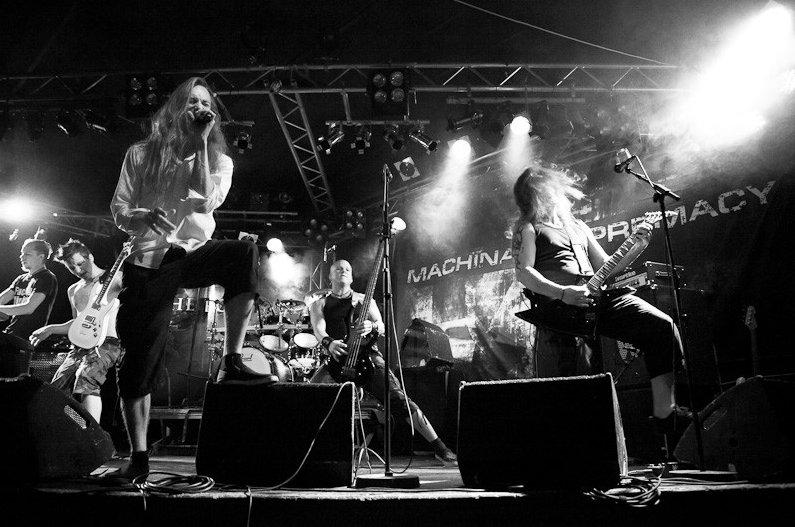
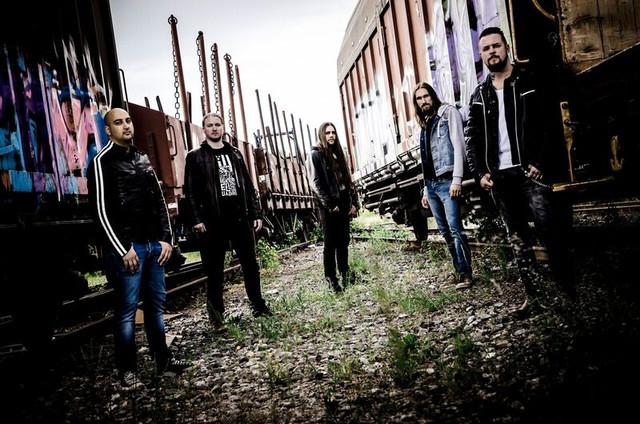
Degradead’s Spotify BioDegradead ist eine schwedische Melodic-Death-Metal-Band mit Metalcore-Anleihen und Thrash-Metal-Wurzeln. Sie wurde 2000 unter dem Namen Septima gegründet und nannte sich 2007 in Degradead um.
Bei Septima spielten David Szücs (Gitarre), Kenneth Helgesson (Schlagzeug), Frederik Johansson (Gesang/Gitarre) und Michel Bärzén (Bass) zwischen 2000 und 2003 mehrere Demos ein. Als zweiter Gitarrist folgte Jesper Bronner, Frederik Johansson konzentrierte sich von da an auf den Gesang, wurde aber 2003 von Mikael Sehlin (außerdem seit 2012 bei Engel) ersetzt. Die Gruppe nahm an der schwedischen Ausgabe des Emergenza teil und erreichte dort das Finale. Nachdem mit Anders Nyström 2004 ein neuer Gitarrist für Frederik Johansson einstieg, nahm man die beiden Demos Rest in Pieces (2005) und Death Row (2006) auf und änderte den Namen 2007 in Degradead.[1]
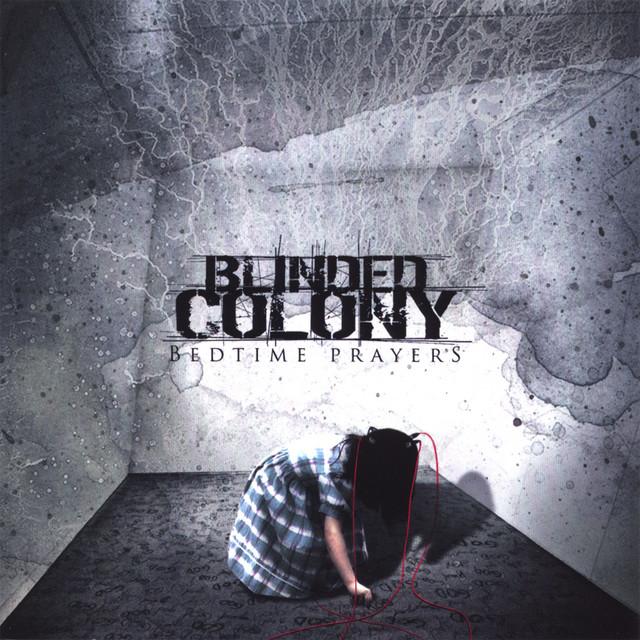
Das Debütalbum Till Death Do Us Apart wurde in den Studios von In Flames aufgenommen. Hinter dem Produzentenkürzel H.O.R.D.E. verbargen sich Jesper… Strömblad, Daniel Svensson und Björn Gelotte. Dockyard 1 veröffentlichte das Album 2008.
2009 erschien Out of Body Experience, das diesmal im Abyss Studio aufgenommen wurde. Produzent war Jonas Kjellgren (ex-Centinex, ex-Scar Symmetry), Toningenieur Daniel Bergstrand.
Viberate is a music analytics platform built for A&Rs, artist managers, labels, booking agents, marketers, and artists.
It helps music professionals track artist growth, analyze audience data, monitor playlist activity, compare artists, follow song performance, and identify opportunities across the music market.
Public artist pages provide a free preview of selected artist data. Paid plans provide access to deeper analytics, historical data, charts, comparisons, playlist tools, exports, alerts, reports, and additional professional features.
Yes. Public Viberate artist pages provide selected artist analytics and music data for free.
Viberate also offers a 7-day free trial of the full platform. A credit card is required to start the trial. The trial includes access to the complete product so users can test deeper artist analytics, historical views, playlist insights, comparisons, charts, exports, alerts, and reporting features before choosing a paid plan.
Viberate provides artist analytics across streaming, playlists, social media, video, radio airplay, songs, and audience markets.
Users can analyze Spotify performance, Spotify and Apple Music playlists, YouTube activity, TikTok and Instagram growth, radio spins, song performance, audience locations, demographics, rankings, and overall artist momentum.
Artist profiles also connect to music charts, similar artists, and comparison tools, helping users benchmark performance and evaluate artists in context.
Viberate updates key artist and track data daily.
For followed artists and tracks, selected data is refreshed multiple times per day. This helps teams monitor playlist changes, streaming movement, audience growth, releases, and campaign performance with more current data.
Update frequency can vary depending on the metric and data source.
Yes. Viberate lets users compare up to five artists side by side across streaming, social media, audience, and engagement metrics.
Users can compare fanbase growth, audience demographics, locations, Spotify performance, social metrics, and other artist data over selected time periods.
Artist comparison can be used for A&R scouting, benchmarking, booking decisions, campaign planning, and evaluating artists with similar audiences or market positions.