Deepfield

Rock
Alternative Rock
 Viberate Rank: 129773
 Viberate Rank: 129773
 Monthly ListenersFollowers
 Subscribers
 Followers
 Followers
 FansTop Spotify Songs
| Track | 7-Day Streams | |
|---|---|---|
1 | 23.60K | |
2 | 16.30K | |
3 | 14.36K | |
4 | 13.25K | |
5 | 7.58K |
Top YouTube VideosMonthly ListenersFeatured in Playlists| Playlist | Followers | |
|---|---|---|
1 |  Funky Strong Is Your Fight Brittany Costello | 26.33K |
2 | Hard Rock Training/Workout nachpe | 26.21K |
3 | Bible of Nu-Metal/alternatif Grunt | 15.47K |
4 |  Military Workout Thomas S. | 14.46K |
5 | Epic Song‘s marvinweber04 | 13.22K |
Audience| City | Monthly Listeners | |
|---|---|---|
1 | | 1.81K |
2 |  | 1.76K |
3 | | 1.61K |
4 | | 1.59K |
5 | | 1.50K |
See full performance history, audience data, playlist activity, rankings, comparisons, and more in Viberate music analytics. Start with a free trial, then continue with a paid plan.
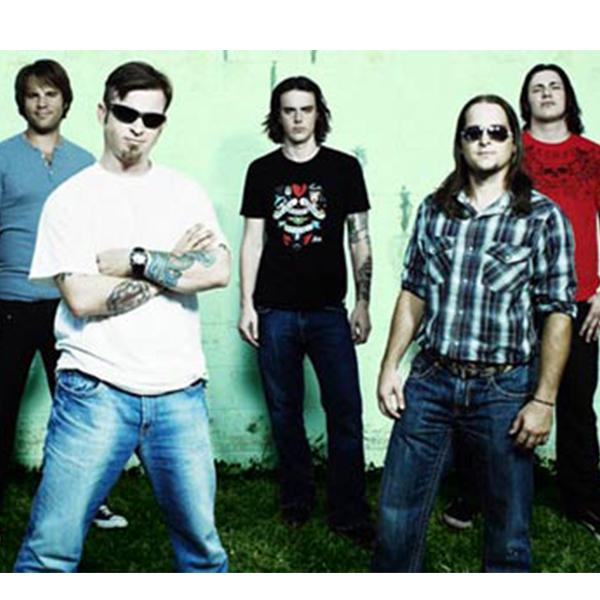
Deepfield’s Spotify BioFormed in Charleston, SC in 2005, deepfield is an American rock band that released 2 studio albums in 2007 and 2011 as well as a self-released acoustic EP in 2019. Later this year the band will unleash its 3rd full-length album, entitled Postdiluvian. Even as the landscape of music evolves and trends come and go, make no mistake that Postdiluvian is not your typical rock record, and deepfield is not your typical rock band.
The group’s debut album Archetypes and Repetition was hailed as “perfectly uncategorizable but still uniquely rock” and that remains the case with their newest effort. Joining Teal in the current lineup are Chicago natives Ken Becker (guitar/backing vocals) and Jake Portenkirchner (drums), who both contributed their skills on the new record.
deepfield’s refined maturity can be heard clearly in Postdiluvian and it is easily their best album to date. The continued support they have maintained over the years speaks for itself, and their diverse appeal promises to grow the… group’s fanbase with the release of this new hard-hitting album. The 1st single “Eons” will drop June 2022 with a full-length video to accompany it. Two more singles, Via Dolorosa and Without You will follow this summer.
Instagram: @deepfieldofficial
Viberate is a music analytics platform built for A&Rs, artist managers, labels, booking agents, marketers, and artists.
It helps music professionals track artist growth, analyze audience data, monitor playlist activity, compare artists, follow song performance, and identify opportunities across the music market.
Public artist pages provide a free preview of selected artist data. Paid plans provide access to deeper analytics, historical data, charts, comparisons, playlist tools, exports, alerts, reports, and additional professional features.
Yes. Public Viberate artist pages provide selected artist analytics and music data for free.
Viberate also offers a 7-day free trial of the full platform. A credit card is required to start the trial. The trial includes access to the complete product so users can test deeper artist analytics, historical views, playlist insights, comparisons, charts, exports, alerts, and reporting features before choosing a paid plan.
Viberate provides artist analytics across streaming, playlists, social media, video, radio airplay, songs, and audience markets.
Users can analyze Spotify performance, Spotify and Apple Music playlists, YouTube activity, TikTok and Instagram growth, radio spins, song performance, audience locations, demographics, rankings, and overall artist momentum.
Artist profiles also connect to music charts, similar artists, and comparison tools, helping users benchmark performance and evaluate artists in context.
Viberate updates key artist and track data daily.
For followed artists and tracks, selected data is refreshed multiple times per day. This helps teams monitor playlist changes, streaming movement, audience growth, releases, and campaign performance with more current data.
Update frequency can vary depending on the metric and data source.
Yes. Viberate lets users compare up to five artists side by side across streaming, social media, audience, and engagement metrics.
Users can compare fanbase growth, audience demographics, locations, Spotify performance, social metrics, and other artist data over selected time periods.
Artist comparison can be used for A&R scouting, benchmarking, booking decisions, campaign planning, and evaluating artists with similar audiences or market positions.