Deepchord

Electronic
Techno
Dub Techno
 Viberate Rank: 175704
 Viberate Rank: 175704
 Monthly ListenersFollowers
 Subscribers
 Followers
 Followers
 FansTop Spotify Songs
| Track | 7-Day Streams | |
|---|---|---|
1 | 2.15K | |
2 | 1.79K | |
3 | 1.27K | |
4 | 913 | |
5 | 768 |
Top YouTube VideosMonthly ListenersFeatured in Playlists| Playlist | Followers | |
|---|---|---|
1 |  🪐🪐🪐🪐🪐🪐🪐🪐☼:̴͓̞̑̌̂̆̊͋̀:̸͎̟̯̂̓̌:̶̢͙͙͕̠̩͆ ⃝🟠 ̴̤̻̀(̵̙̺̳̩͐͗́͑͋̓̕͜ͅ(̵̺͖̤͌͂͑̐̕o̶̢̘͔̒̈̑̒͊v̴̢͚͚͎͎̞͒͊̎ȯ̶̞̮͖̑̈́̿ ☼:̴͓̞̑̌̂̆̊͋̀:̸͎̟̯̂̓̌:̶̢͙͙͕̠̩͆(̷̮͍͚̫͚͂̍)̵̳̗̊( 🟠🟢⦿🔵🟡\̸̧͔̰̳̦̣̪̈̏̓ ̴̡̛̅͐͛̀̽/̶̱̼̣̤̰̲̣̈́̋͌̿̄̍̊\̴̲̣̝̀͜ͅ🔴🫧✨🫧 ̵̨̛̱̥͕́̎́̐͝/̸̠̜̅̐͊̋̿̐̓\̸̧͔̰̳̦̣̪̈̏̓ ̴̡̛̅͐͛̀̽🥏🟠/̶̱̼̣̤̰̲̣̈́̋͌̿̄̍̊\̴̲̣̝̀͜ͅ💥 ̸̝̮̟̹̀̆̋̿ ̴̤̻̀🥭(̵̙̺̳̩͐͗́͑͋̓̕͜ͅ(̵̺͖̤͌͂͑̐̕o̶̢̘͔̒̈̑̒͊🔵:̸͎̟̯̂̓̌:̶̢͙͙͕̠̩͆(̷̮͍͚̫͚͂̍)̵̳̗̊(🟠🪐 Four Tet | 210.46K |
2 | Ambient Electronic cotter | 32.64K |
3 |  Space Music for Sleep Nick Fithian | 25.17K |
4 |  Dub Techno Jimmy Ghaderi | 22.36K |
5 |  DUB TECHNO 2026 ⟴ PXH | 21.59K |
Audience| City | Monthly Listeners | |
|---|---|---|
1 |  | 981 |
2 |  | 763 |
3 |  | 447 |
4 |  | 440 |
5 |  | 382 |
See full performance history, audience data, playlist activity, rankings, comparisons, and more in Viberate music analytics. Start with a free trial, then continue with a paid plan.
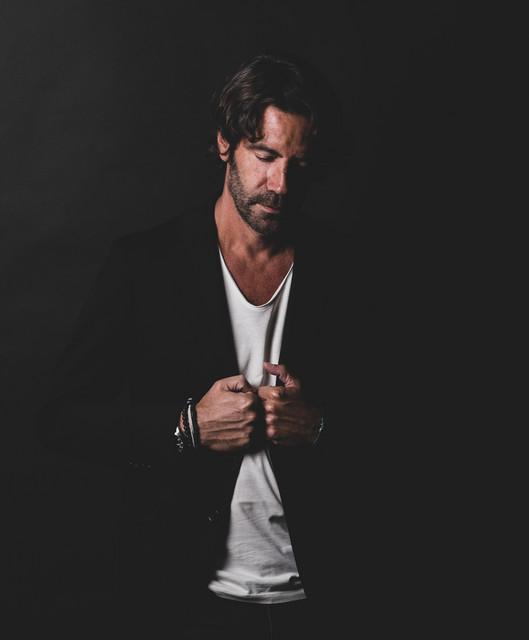
Deepchord’s Spotify BioIf imitation is the sincerest form of flattery, the fellows in Berlin's Rhythm & Sound camp will have no problem endorsing Detroit-based Deepchord as their dub-techno heir apparent. Already an established ambient producer, Rod Modell partnered with Mike Schommer, quietly releasing their first 12" together in the late '90s. Like Rhythm & Sound, Deepchord based their compositions around minimal arrangements: repetitive rhythms inspired by dub, faint traces of white noise, and warm synth stabs. The group retained a loyal cult following, releasing several more singles in the early 2000s as well as a limited-run CD version of their first six releases (originally pressed up in extremely limited quantities). The duo's production went from prolific to a screeching halt around 2002, making a remarkable and rare live performance at the Detroit Electronic Music Festival and releasing singles in a scarce fashion (the group's 2006 single was only pressed in 100 copies). A retrospective of the… group's work, Vibrasound, was issued under Modell's name and released on the Silentes label in 2005. Later that year, Modell teamed with Kevin Hanton to release Illuminati Audio Science and used a generous portion of the group's output, looped and sliced into small segments (much like Richie Hawtin's DE9 experiments), for a continuous 70-minute mix CD.
In 2007, Modell teamed with Stephen Hitchell, aka Soultek, for what would go on to be one of his most commercially successful projects, Echospace (also the name of a new label he started at the same time). Its debut album, The Coldest Season, was released on cult British label Modern Love and featured one of the most deconstructed interpretations of the Basic Channel sound ever released, its dubby, decayed textures swathed in shrouds of tape hiss. The 2010 follow-up Liumin (a Chinese personal name) was a greater success still, even as it played up this "destroyed" sound yet more, turning hundreds of hours of field recordings made in China into an unrecognizable murk.
In 2011, Modell, now piloting Deepchord solo, signed to legendary Glasgow label Soma, which issued what was actually the first ever "proper" Deepchord album, Hash-Bar Loops. A period of intense creativity followed and 2012 saw the release both of another Echospace album, Silent World -- the soundtrack to an experimental film produced by Modell himself -- and the Deepchord follow-up Sommer. In 2013, Soma released Deepchord's full-length 20 Electrostatic Soundfields, and Modell's Echospace [Detroit] label launched a series of archival compilations collecting tracks from Deepchord's early-2000s 12" releases. The following year, Subwax released an album of Deepchord's "redesigns" of Yagya's 2006 full-length Will I Dream During the Process?, and British label Astral Industries released Deepchord's limited double-LP Lanterns. Deepchord continued releasing 12" EPs on Soma, however, and the label issued one of Modell's grandest statements yet, the lengthy double CD Ultraviolet Music, in 2015. Following 2017's Live in Detroit [Ghost in the Sound], a recording of a Deepchord set at an official afterparty for Detroit's annual Movement festival, the project returned to Soma with the full-length Auratones. ~ Rob Theakston & John D. Buchanan, Rovi
Viberate is a music analytics platform built for A&Rs, artist managers, labels, booking agents, marketers, and artists.
It helps music professionals track artist growth, analyze audience data, monitor playlist activity, compare artists, follow song performance, and identify opportunities across the music market.
Public artist pages provide a free preview of selected artist data. Paid plans provide access to deeper analytics, historical data, charts, comparisons, playlist tools, exports, alerts, reports, and additional professional features.
Yes. Public Viberate artist pages provide selected artist analytics and music data for free.
Viberate also offers a 7-day free trial of the full platform. A credit card is required to start the trial. The trial includes access to the complete product so users can test deeper artist analytics, historical views, playlist insights, comparisons, charts, exports, alerts, and reporting features before choosing a paid plan.
Viberate provides artist analytics across streaming, playlists, social media, video, radio airplay, songs, and audience markets.
Users can analyze Spotify performance, Spotify and Apple Music playlists, YouTube activity, TikTok and Instagram growth, radio spins, song performance, audience locations, demographics, rankings, and overall artist momentum.
Artist profiles also connect to music charts, similar artists, and comparison tools, helping users benchmark performance and evaluate artists in context.
Viberate updates key artist and track data daily.
For followed artists and tracks, selected data is refreshed multiple times per day. This helps teams monitor playlist changes, streaming movement, audience growth, releases, and campaign performance with more current data.
Update frequency can vary depending on the metric and data source.
Yes. Viberate lets users compare up to five artists side by side across streaming, social media, audience, and engagement metrics.
Users can compare fanbase growth, audience demographics, locations, Spotify performance, social metrics, and other artist data over selected time periods.
Artist comparison can be used for A&R scouting, benchmarking, booking decisions, campaign planning, and evaluating artists with similar audiences or market positions.