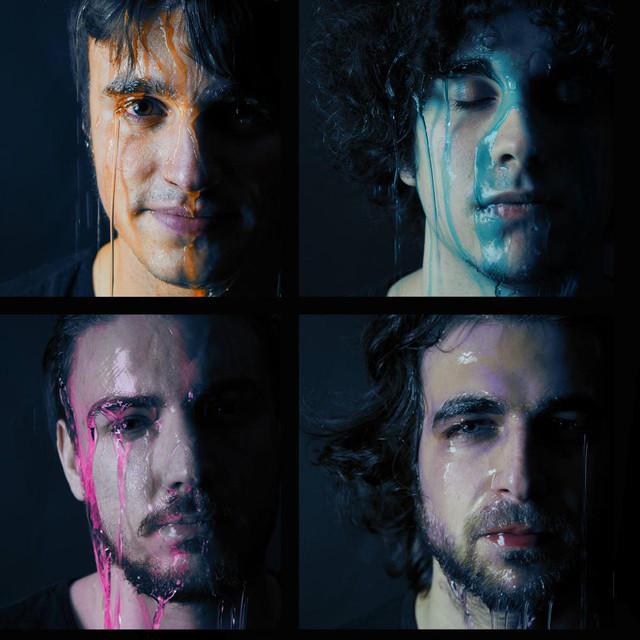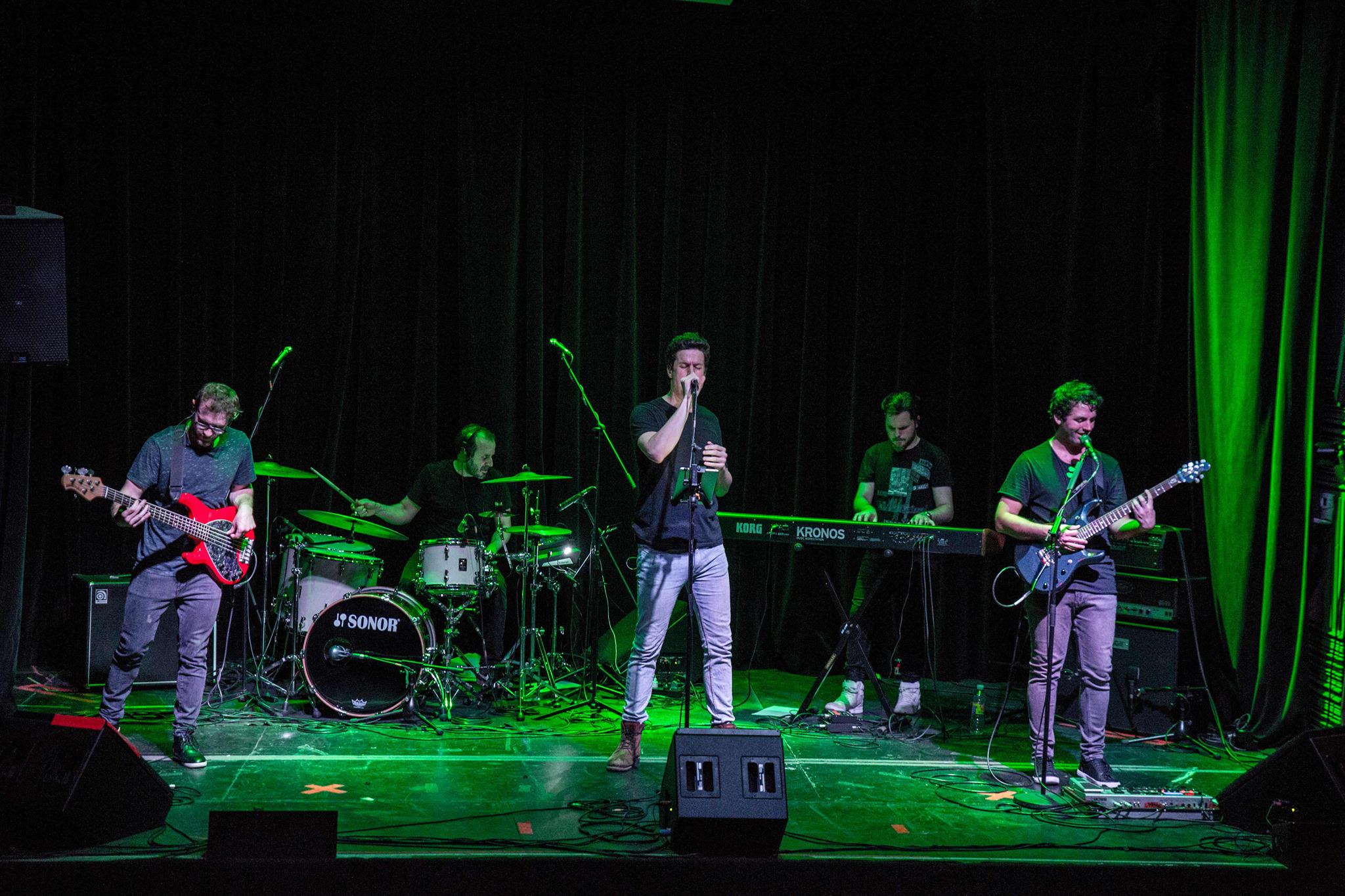
Deep Limbic System

Rock
Progressive Rock
 Viberate Rank: 496200
 Viberate Rank: 496200
 Monthly ListenersFollowers
 Subscribers
 Followers
 Followers
 FansTop Spotify SongsTop YouTube VideosMonthly ListenersFeatured in Playlists
| Playlist | Followers | |
|---|---|---|
1 |  Neo Prog Music, Rock, Progressive, Indie And Great Songs oidarro | 2.07K |
2 |  The best of Progressive Rock José Do Carmo Cunha | 1.00K |
Audience| City | Monthly Listeners | |
|---|---|---|
1 | | 3 |
See full performance history, audience data, playlist activity, rankings, comparisons, and more in Viberate music analytics. Start with a free trial, then continue with a paid plan.
Deep Limbic System’s Spotify BioDeep Limbic System (DLS) is a Modern Prog Rock quintet hailing from the twin cities of Juarez, Mexico, and El Paso, Texas. Formed in late 2012, the band crafts a sound that fuses the eclecticism of progressive rock with the intensity and darkness of metal, all while maintaining a melodic, melancholic, and atmospheric core.
The band’s name draws inspiration from the deep limbic system—one of the oldest parts of the mammalian brain, central to emotional states like fear, happiness, and anger. DLS channels this primal connection into their music, creating an emotional resonance that is both raw and nuanced.
In 2014, DLS independently released their debut EP, The Embryo, earning some recognition within the global prog community. Following years of evolution, the band entered a new chapter with the release of their newest album Katharsi.
Influenced by iconic acts such as PORCUPINE TREE, OPETH, RIVERSIDE, ANATHEMA, and PINK FLOYD, Deep Limbic System continues to push boundaries, exploring… themes of human existence, emotions, and the uncharted depths of the soul.
Viberate is a music analytics platform built for A&Rs, artist managers, labels, booking agents, marketers, and artists.
It helps music professionals track artist growth, analyze audience data, monitor playlist activity, compare artists, follow song performance, and identify opportunities across the music market.
Public artist pages provide a free preview of selected artist data. Paid plans provide access to deeper analytics, historical data, charts, comparisons, playlist tools, exports, alerts, reports, and additional professional features.
Yes. Public Viberate artist pages provide selected artist analytics and music data for free.
Viberate also offers a 7-day free trial of the full platform. A credit card is required to start the trial. The trial includes access to the complete product so users can test deeper artist analytics, historical views, playlist insights, comparisons, charts, exports, alerts, and reporting features before choosing a paid plan.
Viberate provides artist analytics across streaming, playlists, social media, video, radio airplay, songs, and audience markets.
Users can analyze Spotify performance, Spotify and Apple Music playlists, YouTube activity, TikTok and Instagram growth, radio spins, song performance, audience locations, demographics, rankings, and overall artist momentum.
Artist profiles also connect to music charts, similar artists, and comparison tools, helping users benchmark performance and evaluate artists in context.
Viberate updates key artist and track data daily.
For followed artists and tracks, selected data is refreshed multiple times per day. This helps teams monitor playlist changes, streaming movement, audience growth, releases, and campaign performance with more current data.
Update frequency can vary depending on the metric and data source.
Yes. Viberate lets users compare up to five artists side by side across streaming, social media, audience, and engagement metrics.
Users can compare fanbase growth, audience demographics, locations, Spotify performance, social metrics, and other artist data over selected time periods.
Artist comparison can be used for A&R scouting, benchmarking, booking decisions, campaign planning, and evaluating artists with similar audiences or market positions.