Deejay Tao

Electronic
Trance
 Viberate Rank: 571789
 Viberate Rank: 571789
 Monthly ListenersFollowers
 Subscribers
 Followers
 Followers
 FansTop Spotify Songs
| Track | 7-Day Streams | |
|---|---|---|
1 | 59 | |
2 | 19 | |
3 | 18 | |
4 | 18 | |
5 | 3 |
Top YouTube VideosMonthly ListenersFeatured in Playlists| Playlist | Followers | |
|---|---|---|
1 |  TECHNO💊🔥FIESTAS marcoslorenzzo | 115.63K |
2 |  ~Electric Context~ Shroopy | 5.48K |
3 |  Party Hits Music 🎉❤️ Rachel Josef | 2.39K |
4 |  1000% RAVE ⚡️ Meggido | 1.16K |
5 |  Techno Sleepy Sheepy | 1.07K |
Audience| City | Monthly Listeners | |
|---|---|---|
1 |  | 8 |
2 |  | 8 |
3 |  | 6 |
4 |  | 5 |
5 |  | 5 |
See full performance history, audience data, playlist activity, rankings, comparisons, and more in Viberate music analytics. Start with a free trial, then continue with a paid plan.
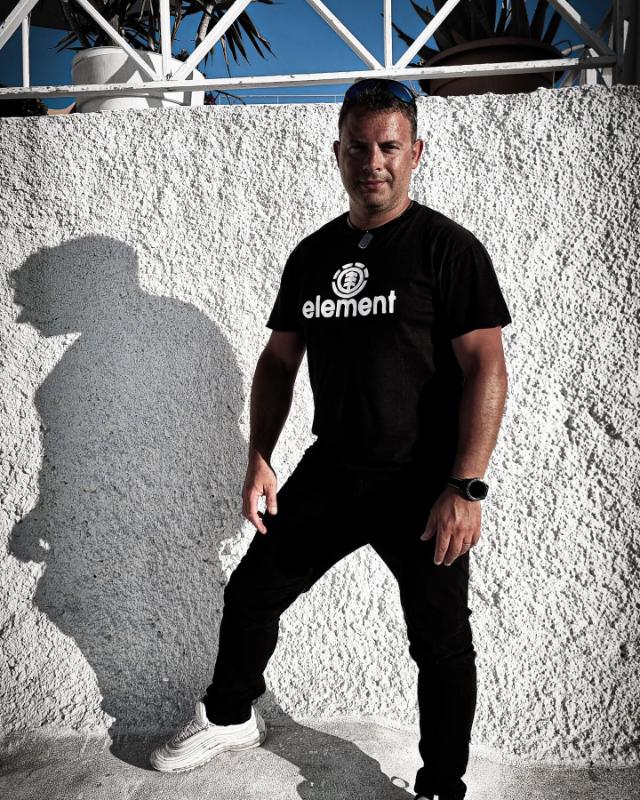
Deejay Tao’s Spotify BioMattia Taormina aka Deejay Tao is a Dj - Producer from Milan (Italy).
He began his career as a DJ back in 1995, starting to play in the cellar of his house with the vinyls of his brother who was also a DJ.
In 1999 he discovered the world of production and began to produce the first tracks in complete autonomy and in addition to making productions he started producing Mashup & Boootleg.
In 2000 he decides to participate in a famous Radio DJ program/contest (DO RE MIX) conducted by the very famous DJ Molella, winning over all with the remake of the track - Girls Just Want to Have Fun, a song by Cyndi Lauper, this catapults him definitively into the world of music production starting his own adventure in his recording studio.
Over the years he has collaborated with various artists including the Brothers, DJ FGTC and Mario Tonoli.
His style is influenced by the famous dj and producer Giuseppe Ottaviani , Rank1 , TranzLift , Aly & Fila and by Trance & Techno sounds and over the years he focuses… on Trance & Melodic Trance always looking for new melodies.
Currently Deejay Tao is making a very important project for him called "TRANCE PROJECT", an album containing 10 tracks of pure musical emotion.
Label :
Alveda Music
Xclusive Trance
Yeiskomp Records
For Info and Contacts:
taodj@hotmail.it
Viberate is a music analytics platform built for A&Rs, artist managers, labels, booking agents, marketers, and artists.
It helps music professionals track artist growth, analyze audience data, monitor playlist activity, compare artists, follow song performance, and identify opportunities across the music market.
Public artist pages provide a free preview of selected artist data. Paid plans provide access to deeper analytics, historical data, charts, comparisons, playlist tools, exports, alerts, reports, and additional professional features.
Yes. Public Viberate artist pages provide selected artist analytics and music data for free.
Viberate also offers a 7-day free trial of the full platform. A credit card is required to start the trial. The trial includes access to the complete product so users can test deeper artist analytics, historical views, playlist insights, comparisons, charts, exports, alerts, and reporting features before choosing a paid plan.
Viberate provides artist analytics across streaming, playlists, social media, video, radio airplay, songs, and audience markets.
Users can analyze Spotify performance, Spotify and Apple Music playlists, YouTube activity, TikTok and Instagram growth, radio spins, song performance, audience locations, demographics, rankings, and overall artist momentum.
Artist profiles also connect to music charts, similar artists, and comparison tools, helping users benchmark performance and evaluate artists in context.
Viberate updates key artist and track data daily.
For followed artists and tracks, selected data is refreshed multiple times per day. This helps teams monitor playlist changes, streaming movement, audience growth, releases, and campaign performance with more current data.
Update frequency can vary depending on the metric and data source.
Yes. Viberate lets users compare up to five artists side by side across streaming, social media, audience, and engagement metrics.
Users can compare fanbase growth, audience demographics, locations, Spotify performance, social metrics, and other artist data over selected time periods.
Artist comparison can be used for A&R scouting, benchmarking, booking decisions, campaign planning, and evaluating artists with similar audiences or market positions.