Decyfer Down

Rock
Hard Rock
Pop Rock
 Viberate Rank: 62977
 Viberate Rank: 62977
 Monthly ListenersFollowers
 Subscribers
 Followers
 Followers
 FansTop Spotify Songs
| Track | 7-Day Streams | |
|---|---|---|
1 | 23.60K | |
2 | 11.99K | |
3 | 4.48K | |
4 | 4.33K | |
5 | 4.08K |
Top YouTube VideosMonthly ListenersFeatured in Playlists| Playlist | Followers | |
|---|---|---|
1 |  Top Christian Rock Spotify | 215.04K |
2 |  Christian Rock / Metal Nate Reagan | 47.71K |
3 |  #Sweetspot Jimmy Landqvist | 32.36K |
4 |  Amv Music zeroonex | 27.15K |
5 | 2000s christian rock jacob_toraya | 22.71K |
Audience| City | Monthly Listeners | |
|---|---|---|
1 | | 1.71K |
2 |  | 1.38K |
3 | | 1.22K |
4 | | 1.14K |
5 | | 1.05K |
See full performance history, audience data, playlist activity, rankings, comparisons, and more in Viberate music analytics. Start with a free trial, then continue with a paid plan.
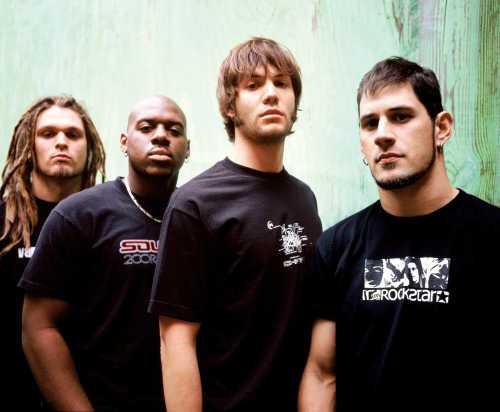
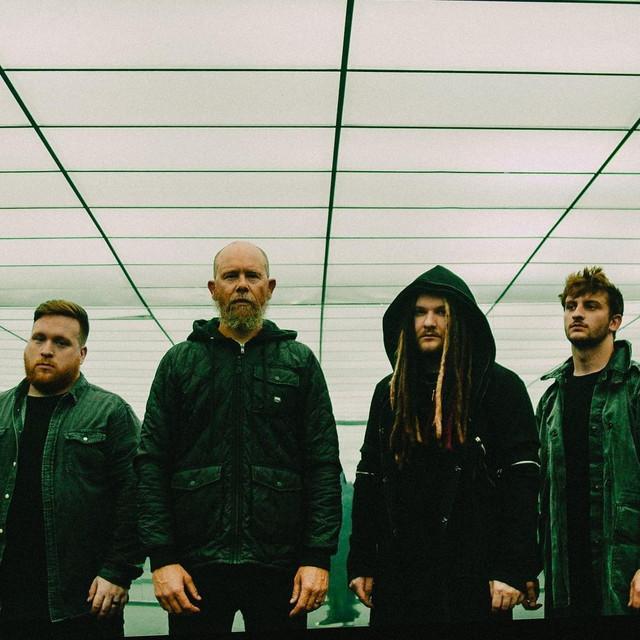
Decyfer Down’s Spotify BioOriginally operating under the moniker Allysonhymn (pronounced "all-eyes-on-him"), Christian rockers Decyfer Down create a Wall of Sound with a message. Formed in 2002 around the talents of drummer Josh Oliver, vocalist/bassist Caleb Oliver, and guitarists Brandon Mills and Chris Clonts, the band's melodic and hard-driving debut, End of Grey, arrived on Sony Records in June 2006. The album proved to be quite popular in the Christian community, sending four consecutive singles into heavy rotation on the Internet radio station ChristianRock.net. Caleb Oliver left the lineup shortly thereafter, and former Fighting Instinct vocalist T.J. Harris was enlisted in his place. Returning in 2009 with the Grammy-nominated sophomore effort Crash, Decyfer Down garnered more support from independent Christian rock radio. Additionally, the album's title track was featured in the pay-per-view broadcast of WrestleMania XXV, thus exposing the band's music to a wider audience. The well-received, Fair… Trade Services-issued Scarecrow dropped in 2013, followed by a compilation LP, Anthology, in 2014. Drummer Josh Oliver left the fold the following year, and in 2016 the band issued the crowd-funded Other Side of Darkness, their fourth studio outing and first independent release. ~ James Christopher Monger, Rovi
Viberate is a music analytics platform built for A&Rs, artist managers, labels, booking agents, marketers, and artists.
It helps music professionals track artist growth, analyze audience data, monitor playlist activity, compare artists, follow song performance, and identify opportunities across the music market.
Public artist pages provide a free preview of selected artist data. Paid plans provide access to deeper analytics, historical data, charts, comparisons, playlist tools, exports, alerts, reports, and additional professional features.
Yes. Public Viberate artist pages provide selected artist analytics and music data for free.
Viberate also offers a 7-day free trial of the full platform. A credit card is required to start the trial. The trial includes access to the complete product so users can test deeper artist analytics, historical views, playlist insights, comparisons, charts, exports, alerts, and reporting features before choosing a paid plan.
Viberate provides artist analytics across streaming, playlists, social media, video, radio airplay, songs, and audience markets.
Users can analyze Spotify performance, Spotify and Apple Music playlists, YouTube activity, TikTok and Instagram growth, radio spins, song performance, audience locations, demographics, rankings, and overall artist momentum.
Artist profiles also connect to music charts, similar artists, and comparison tools, helping users benchmark performance and evaluate artists in context.
Viberate updates key artist and track data daily.
For followed artists and tracks, selected data is refreshed multiple times per day. This helps teams monitor playlist changes, streaming movement, audience growth, releases, and campaign performance with more current data.
Update frequency can vary depending on the metric and data source.
Yes. Viberate lets users compare up to five artists side by side across streaming, social media, audience, and engagement metrics.
Users can compare fanbase growth, audience demographics, locations, Spotify performance, social metrics, and other artist data over selected time periods.
Artist comparison can be used for A&R scouting, benchmarking, booking decisions, campaign planning, and evaluating artists with similar audiences or market positions.