Deckard

Rock
Alternative Rock
 Viberate Rank: 743953
 Viberate Rank: 743953
 Monthly ListenersFollowers
 Subscribers
 Followers
 Followers
 FansTop Spotify Songs
| Track | 7-Day Streams | |
|---|---|---|
1 | 101 | |
2 | 51 | |
3 | 38 | |
4 | 13 | |
5 | 13 |
Top YouTube VideosMonthly ListenersFeatured in Playlists| Playlist | Followers | |
|---|---|---|
1 |  Friends Soundtrack (Complete) Wendell Correia | 5.49K |
2 |  Friends-OST Potassium3.14 | 3.88K |
3 | Friends TV Show Music Soundtrack jethawk | 2.67K |
4 | The definitive playlist-SOUNDTRACK OF THE PLANET EARTH: The best songs since 1950 'til today Anxo Lopeixe | 1.51K |
5 |  Friends - the TV series ilsetromp1999 | 1.48K |
Audience| City | Monthly Listeners | |
|---|---|---|
1 | | 5 |
2 | | 5 |
3 |  | 5 |
4 |  | 4 |
5 |  | 4 |
See full performance history, audience data, playlist activity, rankings, comparisons, and more in Viberate music analytics. Start with a free trial, then continue with a paid plan.
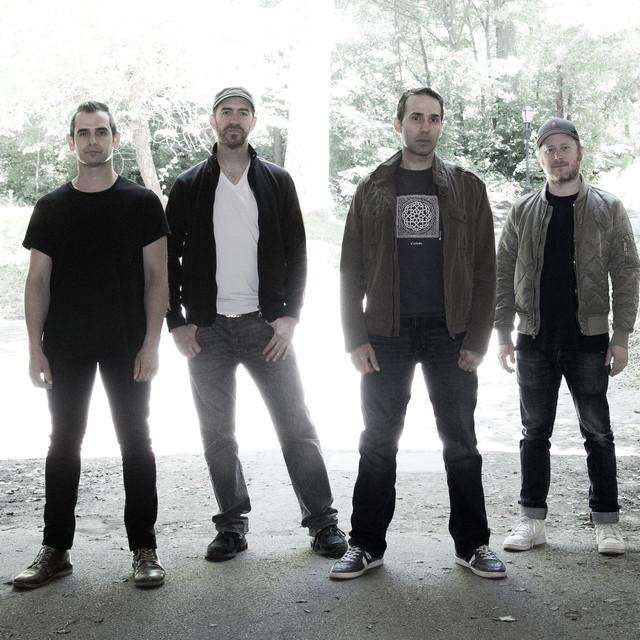
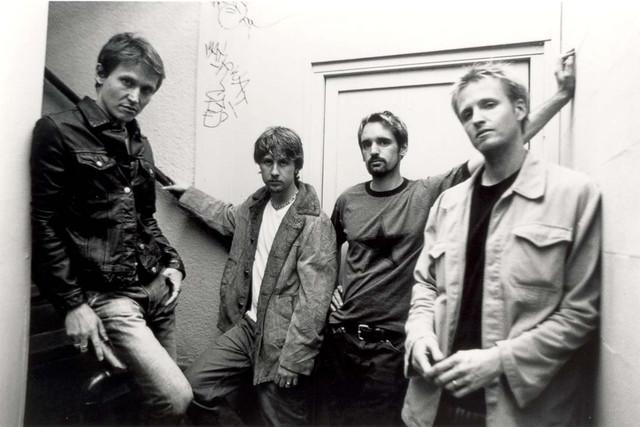
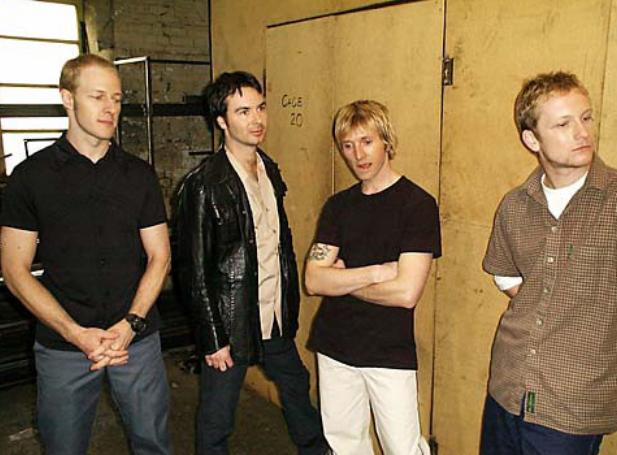
Deckard’s Spotify BioBritish rock band Deckard, named after the main character in the film Blade Runner, was formed by childhood friends Chris Gordon (guitar, vocals), Grant McFarlane (guitar, backing vocals), and Bobby Dunn (bass), all from Stewarton, Scotland, with Gen Matthews (drums) from London. Gordon, McFarlane, and Dunn, with a drummer named Davy, initially formed Baby Chaos, which was signed to East/West Records and released two albums. Then Davy left the band due to health reasons. The three remaining musicians auditioned for a new drummer, settling on Matthews, a founding member of Jesus Jones, and renaming the band Deckard. In October 1999, they released The Deckard EP, followed in July 2000 by the album Stereodreamscene on Reprise. ~ William Ruhlmann, Rovi
Viberate is a music analytics platform built for A&Rs, artist managers, labels, booking agents, marketers, and artists.
It helps music professionals track artist growth, analyze audience data, monitor playlist activity, compare artists, follow song performance, and identify opportunities across the music market.
Public artist pages provide a free preview of selected artist data. Paid plans provide access to deeper analytics, historical data, charts, comparisons, playlist tools, exports, alerts, reports, and additional professional features.
Yes. Public Viberate artist pages provide selected artist analytics and music data for free.
Viberate also offers a 7-day free trial of the full platform. A credit card is required to start the trial. The trial includes access to the complete product so users can test deeper artist analytics, historical views, playlist insights, comparisons, charts, exports, alerts, and reporting features before choosing a paid plan.
Viberate provides artist analytics across streaming, playlists, social media, video, radio airplay, songs, and audience markets.
Users can analyze Spotify performance, Spotify and Apple Music playlists, YouTube activity, TikTok and Instagram growth, radio spins, song performance, audience locations, demographics, rankings, and overall artist momentum.
Artist profiles also connect to music charts, similar artists, and comparison tools, helping users benchmark performance and evaluate artists in context.
Viberate updates key artist and track data daily.
For followed artists and tracks, selected data is refreshed multiple times per day. This helps teams monitor playlist changes, streaming movement, audience growth, releases, and campaign performance with more current data.
Update frequency can vary depending on the metric and data source.
Yes. Viberate lets users compare up to five artists side by side across streaming, social media, audience, and engagement metrics.
Users can compare fanbase growth, audience demographics, locations, Spotify performance, social metrics, and other artist data over selected time periods.
Artist comparison can be used for A&R scouting, benchmarking, booking decisions, campaign planning, and evaluating artists with similar audiences or market positions.