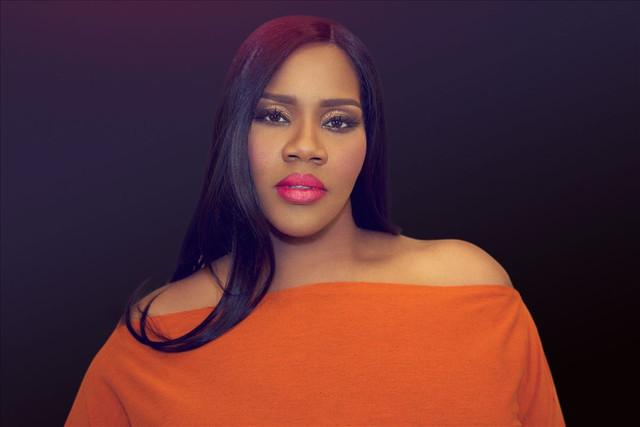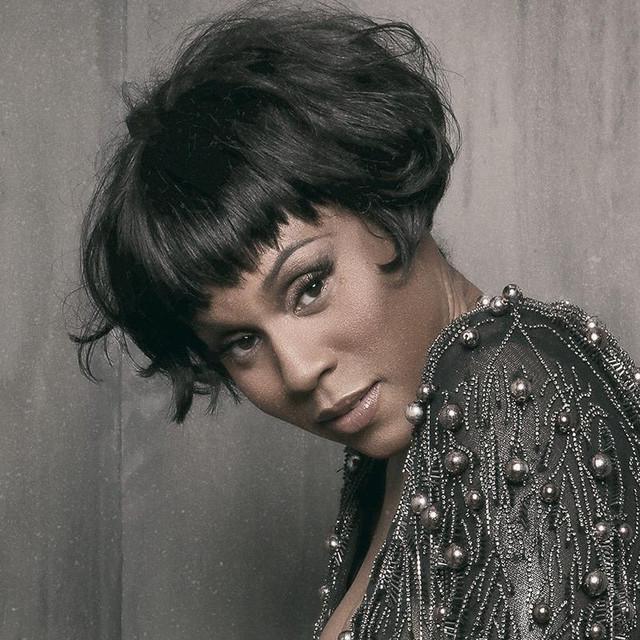
Deborah Cox

R&B
Contemporary R&B
Mainstream Pop
 Viberate Rank: 9478
 Viberate Rank: 9478
 Monthly ListenersFollowers
 Subscribers
 Followers
 Followers
 FansTop Spotify Songs
| Track | 7-Day Streams | |
|---|---|---|
1 | 262.36K | |
2 | 89.22K | |
3 | 44.17K | |
4 | 41.14K | |
5 | 39.37K |
Top YouTube Videos| Video | 7-Day Views | |
|---|---|---|
1 | 186.07K | |
2 | 112.09K | |
3 | 27.60K | |
4 | 23.71K | |
5 | 14.39K |
Monthly ListenersFeatured in Playlists| Playlist | Followers | |
|---|---|---|
1 |  Love Deluxe Spotify | 2.53M |
2 |  Dance Hits 2000s Spotify | 810.79K |
3 |  This Is Whitney Houston Spotify | 645.82K |
4 |  Ibiza Classics Spotify | 392.25K |
5 |  Top 100 Running Songs 👟 brycej8 | 379.52K |
Audience| City | Monthly Listeners | |
|---|---|---|
1 |  | 41.05K |
2 | | 23.86K |
3 | | 18.02K |
4 | | 15.59K |
5 | | 15.45K |
See full performance history, audience data, playlist activity, rankings, comparisons, and more in Viberate music analytics. Start with a free trial, then continue with a paid plan.
Deborah Cox’s Spotify BioA native of Toronto, Deborah Cox began singing for TV commercials at age 12, also entering various talent shows with her mother's help. She performed in nightclubs as a teenager, and around that time, she also began to write her own material with the help of writer, producer, and future husband Lascelles Stephens. Much like Whitney Houston, with whom she is often compared vocally, Cox was discovered by Arista Records president Clive Davis shortly after graduating from high school.
Davis recruited some of the top names in R&B to provide Cox with material for her 1995 debut, including Babyface, Dallas Austin, and Keith Crouch, but Cox herself co-wrote her first hit single, "Sentimental," with Austin and bass player Colin Wolfe, along with three other tracks on the album. One Wish followed in 1998, launching the R&B chart-topper "We Can't Be Friends." Her 2002 album, The Morning After, made a bigger impact in the clubs with the singles "Absolutely Not," "Mr. Lonely," and "Play Your Part"… all topping the U.S. dance charts. A 2003 remix collection held fans over until 2007 when the ambitious and stylish Destination Moon landed. The album was a tribute to the legendary singer Dinah Washington and featured a full orchestra as Cox's backing band.
She returned to contemporary R&B with 2008's The Promise, which included production help from John Legend and Jimmy Jam & Terry Lewis. It also featured a dance number one in "Beautiful U R," and the R&B Top 30 singles "Did You Ever Love Me" and "Saying Goodbye." She returned to the top of the dance chart in 2011 with "If It Wasn't for Love" from the Global Groove: Dance 5 compilation.
In 2012, Cox began a foray into musical theater by taking the role of Lucy in a revival of Frank Wildhorn's Jekyll & Hyde. Featuring Constantine Maroulis in the title role, the show premiered in La Mirada, California, toured 20 cities in North America, and then opened on Broadway in April 2013, where it played for just over three weeks. The cast, including Cox, appeared on the Jekyll & Hyde: 2012 Concept Recording.
She reemerged in January 2015 as the singing voice for the Whitney Houston TV biopic Whitney, directed by and starring Angela Bassett. Later that same year, she hit the R&B charts with the stand-alone ballad "More Than I Knew." Beginning in the fall of 2016, Cox joined the U.S. tour of the 2012 musical The Bodyguard, based on the 1992 film starring Kevin Costner and Whitney Houston. Calling it an eight-track EP, she released a collection of Houston covers called I Will Always Love You with the Broadway label in March 2017. A month later, she appeared on the Billy Porter album The Soul of Richard Rodgers, where she contributed a rendition of "This Nearly Was Mine" from South Pacific. ~ Steve Huey & Marcy Donelson, Rovi
Viberate is a music analytics platform built for A&Rs, artist managers, labels, booking agents, marketers, and artists.
It helps music professionals track artist growth, analyze audience data, monitor playlist activity, compare artists, follow song performance, and identify opportunities across the music market.
Public artist pages provide a free preview of selected artist data. Paid plans provide access to deeper analytics, historical data, charts, comparisons, playlist tools, exports, alerts, reports, and additional professional features.
Yes. Public Viberate artist pages provide selected artist analytics and music data for free.
Viberate also offers a 7-day free trial of the full platform. A credit card is required to start the trial. The trial includes access to the complete product so users can test deeper artist analytics, historical views, playlist insights, comparisons, charts, exports, alerts, and reporting features before choosing a paid plan.
Viberate provides artist analytics across streaming, playlists, social media, video, radio airplay, songs, and audience markets.
Users can analyze Spotify performance, Spotify and Apple Music playlists, YouTube activity, TikTok and Instagram growth, radio spins, song performance, audience locations, demographics, rankings, and overall artist momentum.
Artist profiles also connect to music charts, similar artists, and comparison tools, helping users benchmark performance and evaluate artists in context.
Viberate updates key artist and track data daily.
For followed artists and tracks, selected data is refreshed multiple times per day. This helps teams monitor playlist changes, streaming movement, audience growth, releases, and campaign performance with more current data.
Update frequency can vary depending on the metric and data source.
Yes. Viberate lets users compare up to five artists side by side across streaming, social media, audience, and engagement metrics.
Users can compare fanbase growth, audience demographics, locations, Spotify performance, social metrics, and other artist data over selected time periods.
Artist comparison can be used for A&R scouting, benchmarking, booking decisions, campaign planning, and evaluating artists with similar audiences or market positions.