Deborah Bonham

Rock
Pop Rock
Blues Rock
 Viberate Rank: 312117
 Viberate Rank: 312117
 Monthly ListenersFollowers
 Subscribers
 Followers
 Followers
 FansTop Spotify Songs
| Track | 7-Day Streams | |
|---|---|---|
1 | 54 | |
2 | 44 | |
3 | 42 | |
4 | 29 | |
5 | 18 |
Top YouTube VideosMonthly ListenersFeatured in Playlists| Playlist | Followers | |
|---|---|---|
1 | AOR / Melodic Rock Magnus Olsson | 6.17K |
2 | Led Zeppelin Inspired Music Space of a Day | 2.29K |
3 | Bluesrock Bjørn Storli | 2.19K |
4 |  The Sound of British Blues The Sounds of Spotify | 1.30K |
5 | Official cult summer playlist hamza_ahmed97 | 1.27K |
Audience| City | Monthly Listeners | |
|---|---|---|
1 |  | 12 |
2 | | 9 |
3 |  | 8 |
4 |  | 7 |
5 | | 5 |
See full performance history, audience data, playlist activity, rankings, comparisons, and more in Viberate music analytics. Start with a free trial, then continue with a paid plan.
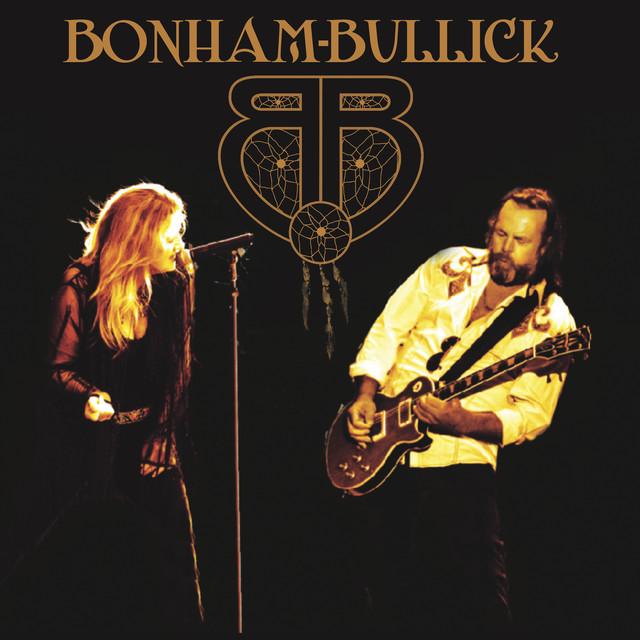
Deborah Bonham’s Spotify BioBorn in Worcestershire, England, blues-rock vocalist Deborah Bonham was only five years old when her older brother John Bonham joined Led Zeppelin. Inspired by his example, Deborah began writing and recording her own songs (along with John's son Jason Bonham) at the Old Hyde Farm, her childhood home. When she was 17, Deborah recorded her first demos at the home of Led Zeppelin frontman Robert Plant, who encouraged and advised the young vocalist. She eventually signed with Carerre Records and released her first album, For You and the Moon, in 1985. Deborah continued to record for Japan's Sam Corporation, but would not release another full-length album until 2004 when The Old Hyde debuted on Track Records. In June 2008, she made her American debut with Duchess, which was released on Rhino imprint ATCO Records. ~ Katherine Fulton, Rovi
Viberate is a music analytics platform built for A&Rs, artist managers, labels, booking agents, marketers, and artists.
It helps music professionals track artist growth, analyze audience data, monitor playlist activity, compare artists, follow song performance, and identify opportunities across the music market.
Public artist pages provide a free preview of selected artist data. Paid plans provide access to deeper analytics, historical data, charts, comparisons, playlist tools, exports, alerts, reports, and additional professional features.
Yes. Public Viberate artist pages provide selected artist analytics and music data for free.
Viberate also offers a 7-day free trial of the full platform. A credit card is required to start the trial. The trial includes access to the complete product so users can test deeper artist analytics, historical views, playlist insights, comparisons, charts, exports, alerts, and reporting features before choosing a paid plan.
Viberate provides artist analytics across streaming, playlists, social media, video, radio airplay, songs, and audience markets.
Users can analyze Spotify performance, Spotify and Apple Music playlists, YouTube activity, TikTok and Instagram growth, radio spins, song performance, audience locations, demographics, rankings, and overall artist momentum.
Artist profiles also connect to music charts, similar artists, and comparison tools, helping users benchmark performance and evaluate artists in context.
Viberate updates key artist and track data daily.
For followed artists and tracks, selected data is refreshed multiple times per day. This helps teams monitor playlist changes, streaming movement, audience growth, releases, and campaign performance with more current data.
Update frequency can vary depending on the metric and data source.
Yes. Viberate lets users compare up to five artists side by side across streaming, social media, audience, and engagement metrics.
Users can compare fanbase growth, audience demographics, locations, Spotify performance, social metrics, and other artist data over selected time periods.
Artist comparison can be used for A&R scouting, benchmarking, booking decisions, campaign planning, and evaluating artists with similar audiences or market positions.