Deathmachine


Electronic
Hardstyle/Hardcore
Other Electronic Music
 Viberate Rank: 232757
 Viberate Rank: 232757
 Monthly ListenersFollowers
 Subscribers
 Followers
 Followers
 FansTop Spotify Songs
| Track | 7-Day Streams | |
|---|---|---|
1 | 154 | |
2 | 144 | |
3 | 103 | |
4 | 92 | |
5 | 70 |
Top YouTube VideosMonthly ListenersFeatured in Playlists| Playlist | Followers | |
|---|---|---|
1 |  Sounds Of Thunderdome 1993 - 2026 Joost | 22.32K |
2 |  Thunderdome Dirk | 10.13K |
3 |  Dreamcore & Darkcore music to get lost to Chill Music | 9.06K |
4 |  Saiyan Workout by kiwi kiwi 🧚♀️ | 6.31K |
5 |  FRENCHCORE/HARDCORE/HARDTEK/TRIBECORE/SPEEDCORE/CROSSBREED/TEKNO/MENTALCORE Manon Hamel | 6.29K |
Audience| City | Monthly Listeners | |
|---|---|---|
1 | | 68 |
2 |  | 55 |
3 | | 46 |
4 |  | 34 |
5 |  | 32 |
See full performance history, audience data, playlist activity, rankings, comparisons, and more in Viberate music analytics. Start with a free trial, then continue with a paid plan.
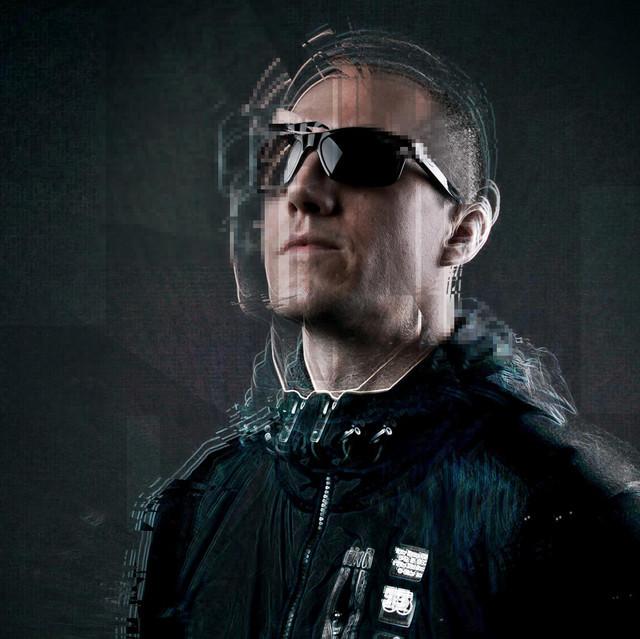
Deathmachine’s Spotify BioStef Eyre’s (AKA Deathmachine) love for hard dark music started way back in the early 90’s where his imagination was captured by the then relatively young hardcore scene.
To further connect with the music, he started DJing in 1998 and over the following years began carving a unique sound for himself. Always dance floor oriented, but with an experimental edge, his sets earned him bookings from all the major promoters across the UK. A few years later and now a respected name on the UK DJ circuit, he took it to the next level. In 2001, he began producing, aiming to capture energy and rawness along with the continuing dark vibe. A first release on Corrupt records started the journey. The next few years were spent developing and experimenting but soon more tracks followed including notable releases on the iconic Rebelscum and Deathchant labels. His early productions were focused on futuristic Hardcore Techno which incorporated breakbeats (the now typical UK sound). Soon, a connection was… made with The Dj Producer who supported Deathmachine’s sound greatly, and eventually they worked together on various releases which included the very successful track “Pixelshifter” on Rebelscum. Since then his productions have gone from strength to strength, earning him releases on The Third Movement, Genosha One Seven Five, Industrial Strength Records, Union Recordings, Forbidden Society Recordings and many more…
Viberate is a music analytics platform built for A&Rs, artist managers, labels, booking agents, marketers, and artists.
It helps music professionals track artist growth, analyze audience data, monitor playlist activity, compare artists, follow song performance, and identify opportunities across the music market.
Public artist pages provide a free preview of selected artist data. Paid plans provide access to deeper analytics, historical data, charts, comparisons, playlist tools, exports, alerts, reports, and additional professional features.
Yes. Public Viberate artist pages provide selected artist analytics and music data for free.
Viberate also offers a 7-day free trial of the full platform. A credit card is required to start the trial. The trial includes access to the complete product so users can test deeper artist analytics, historical views, playlist insights, comparisons, charts, exports, alerts, and reporting features before choosing a paid plan.
Viberate provides artist analytics across streaming, playlists, social media, video, radio airplay, songs, and audience markets.
Users can analyze Spotify performance, Spotify and Apple Music playlists, YouTube activity, TikTok and Instagram growth, radio spins, song performance, audience locations, demographics, rankings, and overall artist momentum.
Artist profiles also connect to music charts, similar artists, and comparison tools, helping users benchmark performance and evaluate artists in context.
Viberate updates key artist and track data daily.
For followed artists and tracks, selected data is refreshed multiple times per day. This helps teams monitor playlist changes, streaming movement, audience growth, releases, and campaign performance with more current data.
Update frequency can vary depending on the metric and data source.
Yes. Viberate lets users compare up to five artists side by side across streaming, social media, audience, and engagement metrics.
Users can compare fanbase growth, audience demographics, locations, Spotify performance, social metrics, and other artist data over selected time periods.
Artist comparison can be used for A&R scouting, benchmarking, booking decisions, campaign planning, and evaluating artists with similar audiences or market positions.