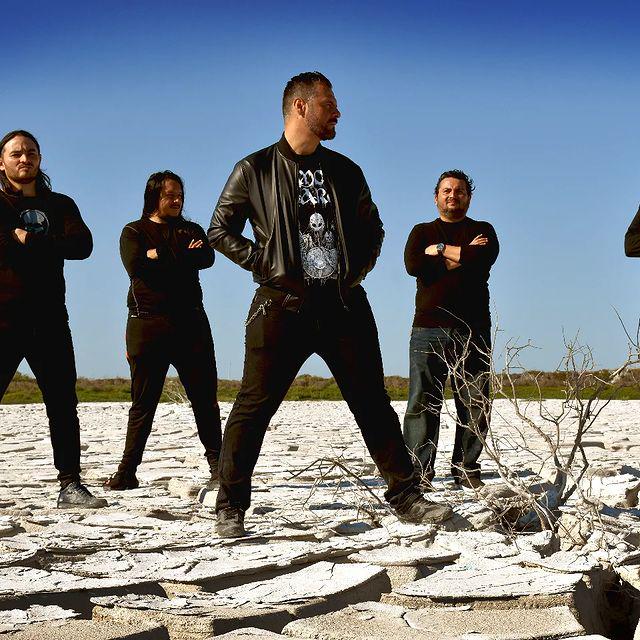
Death Scythe

Metal
Death Metal
 Viberate Rank: 241251
 Viberate Rank: 241251
 Monthly ListenersFollowers
 Subscribers
 Followers
 Followers
 FansTop Spotify Songs
| Track | 7-Day Streams | |
|---|---|---|
1 | 517 | |
2 | 260 | |
3 | 196 | |
4 | 151 | |
5 | 122 |
Top YouTube VideosMonthly ListenersFeatured in Playlists| Playlist | Followers | |
|---|---|---|
1 | Ordep Pedro May Vela | 16.75K |
2 |  METAL MEXICANO Metal Mexicano Crew | 5.63K |
3 |  Willo's Heavy Metal & Rock Classics Willo Lugo | 4.75K |
4 | Metal 2024 El Perro Muchacho 666 | 2.71K |
5 |  Melodic Death Metal Chalo Rpo | 2.56K |
Audience| City | Monthly Listeners | |
|---|---|---|
1 | | 408 |
2 | | 156 |
3 | | 125 |
4 | | 89 |
5 | | 81 |
See full performance history, audience data, playlist activity, rankings, comparisons, and more in Viberate music analytics. Start with a free trial, then continue with a paid plan.
Death Scythe’s Spotify BioDeath Scythe is a Melodic Death Metal band from Mérida, Yucatán, México. Formed in 2001 by Roberto Cervera and Gerardo Mendoza with the only goal of playing pure melodic death metal. In 2006 they released their first self produced demo called "Hollow Darkness".
After years in the underground scene of Yucatán the band released in October of 2008 their debut album "Killing for Pleasure" with 15 songs. The Album included "Hollow Darkness" song that will make them gain popularity in the local scene. The "Killing for Pleasure Tour" included cities like Mérida, México City, Cancun and Cd. del Carmen.
After this Death Scythe will split leaving an uncertain future.
After nine years of silence, Death Scythe makes their return as an active band in June of 2018 with a live concert and starts to work on new songs.
In February of 2020 after twelve years since their debut album, Death Scythe brings their new album "Descending Into Xibalba" with 10 tracks. Currently Death Scythe is planning the… "Xibalba Lords Tour" to play live nationally and internationally.
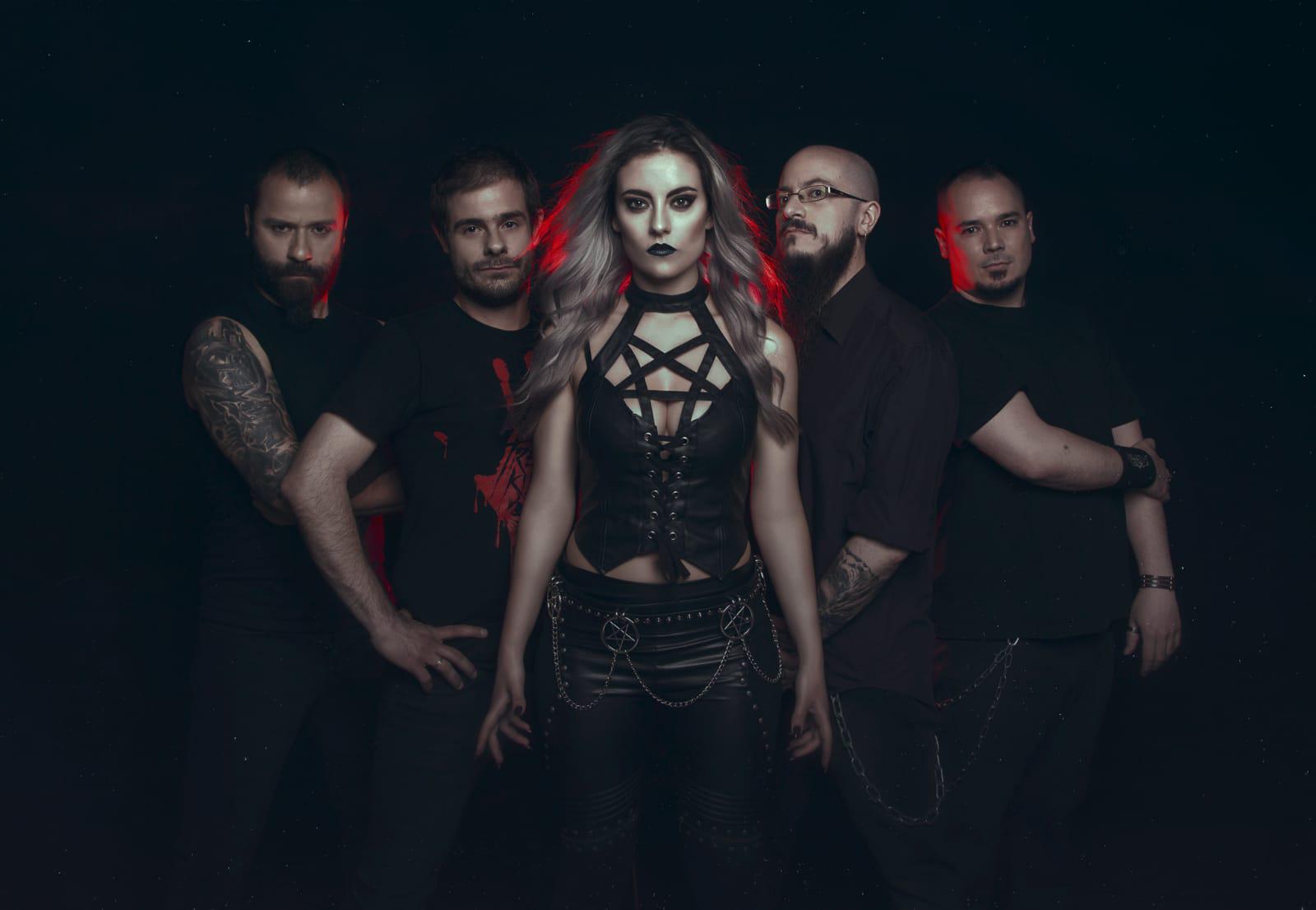
Death Scythe are:
Gerardo Mendoza (Vocals)
Roberto Cervera (Guitars)
Rafael Barreiro (Guitars)
Felipe Lopez (Bass)
Daniel Uicab "Chino" (Drums)
Viberate is a music analytics platform built for A&Rs, artist managers, labels, booking agents, marketers, and artists.
It helps music professionals track artist growth, analyze audience data, monitor playlist activity, compare artists, follow song performance, and identify opportunities across the music market.
Public artist pages provide a free preview of selected artist data. Paid plans provide access to deeper analytics, historical data, charts, comparisons, playlist tools, exports, alerts, reports, and additional professional features.
Yes. Public Viberate artist pages provide selected artist analytics and music data for free.
Viberate also offers a 7-day free trial of the full platform. A credit card is required to start the trial. The trial includes access to the complete product so users can test deeper artist analytics, historical views, playlist insights, comparisons, charts, exports, alerts, and reporting features before choosing a paid plan.
Viberate provides artist analytics across streaming, playlists, social media, video, radio airplay, songs, and audience markets.
Users can analyze Spotify performance, Spotify and Apple Music playlists, YouTube activity, TikTok and Instagram growth, radio spins, song performance, audience locations, demographics, rankings, and overall artist momentum.
Artist profiles also connect to music charts, similar artists, and comparison tools, helping users benchmark performance and evaluate artists in context.
Viberate updates key artist and track data daily.
For followed artists and tracks, selected data is refreshed multiple times per day. This helps teams monitor playlist changes, streaming movement, audience growth, releases, and campaign performance with more current data.
Update frequency can vary depending on the metric and data source.
Yes. Viberate lets users compare up to five artists side by side across streaming, social media, audience, and engagement metrics.
Users can compare fanbase growth, audience demographics, locations, Spotify performance, social metrics, and other artist data over selected time periods.
Artist comparison can be used for A&R scouting, benchmarking, booking decisions, campaign planning, and evaluating artists with similar audiences or market positions.