Death Lens

Rock
Alternative Rock
Punk Rock
Garage Rock
 Viberate Rank: 114506
 Viberate Rank: 114506
 Monthly ListenersFollowers
 Subscribers
 Followers
 Followers
 FansTop Spotify Songs
| Track | 7-Day Streams | |
|---|---|---|
1 | 5.48K | |
2 | 4.12K | |
3 | 2.93K | |
4 | 2.22K | |
5 | 1.42K |
Top YouTube VideosMonthly ListenersFeatured in Playlists| Playlist | Followers | |
|---|---|---|
1 |  adrenaline Spotify | 874.15K |
2 |  Best Of Pop Punk Hopeless Records | 41.94K |
3 |  Forza Horizon 6 Soundtrack Kaled | 30.31K |
4 |  ❗ Epitaph New Music Epitaph Records | 27.32K |
5 |  An actual good indie playlist Mehyo | 27.04K |
Audience| City | Monthly Listeners | |
|---|---|---|
1 | | 1.77K |
2 | | 1.02K |
3 | | 727 |
4 | | 593 |
5 | | 578 |
See full performance history, audience data, playlist activity, rankings, comparisons, and more in Viberate music analytics. Start with a free trial, then continue with a paid plan.
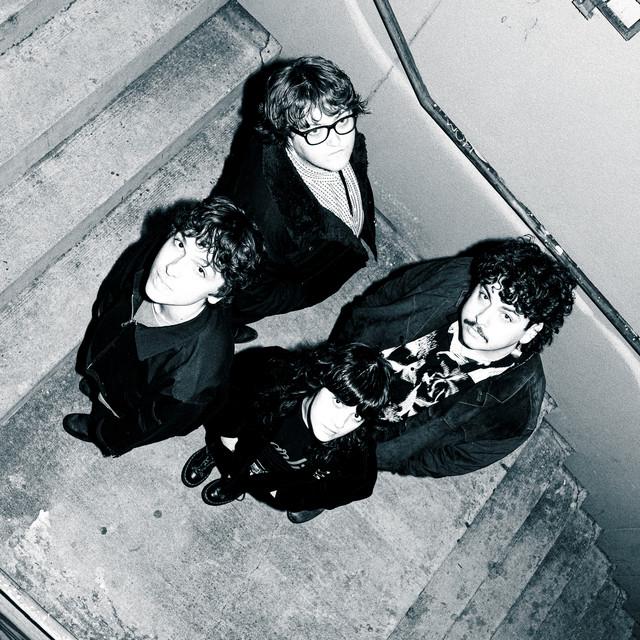
Death Lens’ Spotify BioDeath Lens might be the perfect punk band for the moment: four working class, multicultural musicians from Southern California who write stage-dive anthems for the oppressed, wielding a message of resilience and a sound of sweat-soaked celebration that appeals to outsiders of all stripes. What’s Left Now?, their first album since 2024’s Cold World and their second for Epitaph Records, is Death Lens’ most fully-realized record yet: crunchy, urgent, melancholy, raging, and so goddamn easy to headbang along to.
What’s Left Now? is the product of two tumultuous years for Death Lens, both as people and as bandmates. The year Cold World dropped, the band toured for nine long months, honing their craft as live performers and increasing their fanbase tenfold. However, all of that time on the road stress-tested the band as an interpersonal unit, and Death Lens ended up shedding two members from the subsequent growing pains. Ultimately, they bounced back stronger than ever, gaining guitar… virtuoso Ernie Gutierrez into the core lineup of frontman Bryan Torres, guitarist Jhon Reyes, and drummer Tony Rangel. Now, Death Lens are closer as friends and more musically in-sync than they’ve ever been, and What’s Left Now? is a testament to their glow-up.
Viberate is a music analytics platform built for A&Rs, artist managers, labels, booking agents, marketers, and artists.
It helps music professionals track artist growth, analyze audience data, monitor playlist activity, compare artists, follow song performance, and identify opportunities across the music market.
Public artist pages provide a free preview of selected artist data. Paid plans provide access to deeper analytics, historical data, charts, comparisons, playlist tools, exports, alerts, reports, and additional professional features.
Yes. Public Viberate artist pages provide selected artist analytics and music data for free.
Viberate also offers a 7-day free trial of the full platform. A credit card is required to start the trial. The trial includes access to the complete product so users can test deeper artist analytics, historical views, playlist insights, comparisons, charts, exports, alerts, and reporting features before choosing a paid plan.
Viberate provides artist analytics across streaming, playlists, social media, video, radio airplay, songs, and audience markets.
Users can analyze Spotify performance, Spotify and Apple Music playlists, YouTube activity, TikTok and Instagram growth, radio spins, song performance, audience locations, demographics, rankings, and overall artist momentum.
Artist profiles also connect to music charts, similar artists, and comparison tools, helping users benchmark performance and evaluate artists in context.
Viberate updates key artist and track data daily.
For followed artists and tracks, selected data is refreshed multiple times per day. This helps teams monitor playlist changes, streaming movement, audience growth, releases, and campaign performance with more current data.
Update frequency can vary depending on the metric and data source.
Yes. Viberate lets users compare up to five artists side by side across streaming, social media, audience, and engagement metrics.
Users can compare fanbase growth, audience demographics, locations, Spotify performance, social metrics, and other artist data over selected time periods.
Artist comparison can be used for A&R scouting, benchmarking, booking decisions, campaign planning, and evaluating artists with similar audiences or market positions.