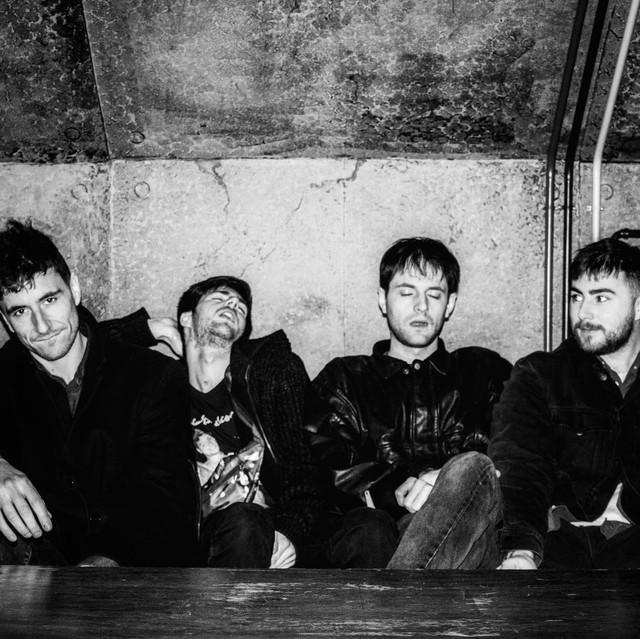
Death Cow

Rock
Garage Rock
Indie Rock
 Viberate Rank: 658188
 Viberate Rank: 658188
 Monthly ListenersFollowers
 Subscribers
 Followers
 Followers
 FansTop Spotify SongsTop YouTube VideosMonthly ListenersFeatured in Playlists
| Playlist | Followers | |
|---|---|---|
1 |  Alternative Rock / Indie Rock (2026) Daily Fresh Finds | 2.14K |
2 |  🎄 Obscure Christmas 🎄 qaz23 | 1.41K |
3 |  DistroKid Wheel of Playlist DistroKid | 1.11K |
Audience| City | Monthly Listeners | |
|---|---|---|
1 | | 3 |
See full performance history, audience data, playlist activity, rankings, comparisons, and more in Viberate music analytics. Start with a free trial, then continue with a paid plan.
Death Cow’s Spotify Bio“The Adventures of Sacramento Jones” began in 2016 as a prospective book about a bovine ravaging towns, written by renowned Nebraska teenage author Connor Worden. But he decided soon after beginning the writing process that a novel was not the best way to tell the story of Sacramento Jones; instead, he formed a band. He named it Death Cow.
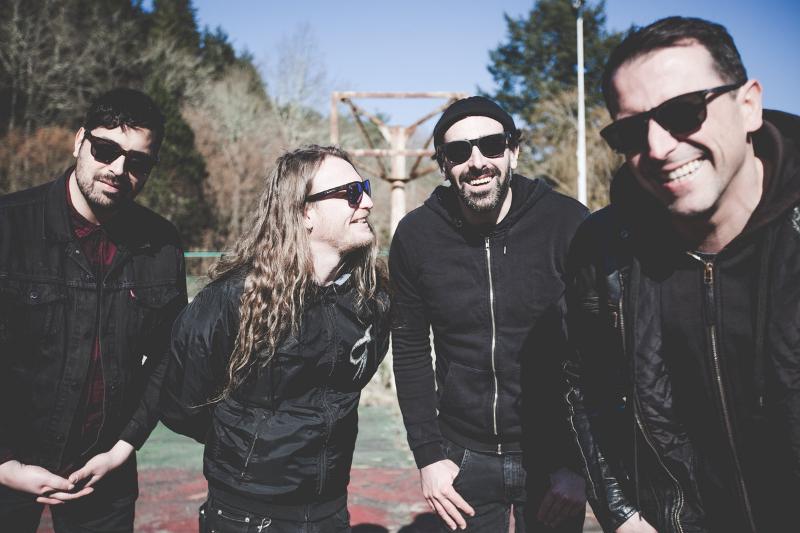
Now in his early 20s, Worden is as strange as they come. He’s the kind of guy who makes lots of hand gestures when he talks or will freestyle a rap verse at the dinner table just because he can. Sometimes his hair grows in ways only Einstein’s could have. He’s also a pretty damn impressive songwriter. Taking inspiration from ‘60s psych, ‘90s punk and 2000s garage, his weirdo-punk style is all his own. His raw, untrained wisdom provides firm foundations for members Reed Tiwald (guitar), Mari Crisler (bass) and Sam Crisler (drums) to cement the songs into organic expressions.
Nearly two years removed from writing the songs on their 2018 debut, Slow Drown…, Death Cow is a much different band — one that has toured much of the country and packed basements around the Midwest. Their most recent effort, Pioneer, is out now via Fire Hazard Records. Without too many spoilers, Worden’s songwriting (aided on a few tracks by the sibling rhythm section) is as heavy, anthemic and catchy as ever.
You might want to stay out of their path — Death Cow is a bull you won’t want to mess with.
-by Monty Colfax
Viberate is a music analytics platform built for A&Rs, artist managers, labels, booking agents, marketers, and artists.
It helps music professionals track artist growth, analyze audience data, monitor playlist activity, compare artists, follow song performance, and identify opportunities across the music market.
Public artist pages provide a free preview of selected artist data. Paid plans provide access to deeper analytics, historical data, charts, comparisons, playlist tools, exports, alerts, reports, and additional professional features.
Yes. Public Viberate artist pages provide selected artist analytics and music data for free.
Viberate also offers a 7-day free trial of the full platform. A credit card is required to start the trial. The trial includes access to the complete product so users can test deeper artist analytics, historical views, playlist insights, comparisons, charts, exports, alerts, and reporting features before choosing a paid plan.
Viberate provides artist analytics across streaming, playlists, social media, video, radio airplay, songs, and audience markets.
Users can analyze Spotify performance, Spotify and Apple Music playlists, YouTube activity, TikTok and Instagram growth, radio spins, song performance, audience locations, demographics, rankings, and overall artist momentum.
Artist profiles also connect to music charts, similar artists, and comparison tools, helping users benchmark performance and evaluate artists in context.
Viberate updates key artist and track data daily.
For followed artists and tracks, selected data is refreshed multiple times per day. This helps teams monitor playlist changes, streaming movement, audience growth, releases, and campaign performance with more current data.
Update frequency can vary depending on the metric and data source.
Yes. Viberate lets users compare up to five artists side by side across streaming, social media, audience, and engagement metrics.
Users can compare fanbase growth, audience demographics, locations, Spotify performance, social metrics, and other artist data over selected time periods.
Artist comparison can be used for A&R scouting, benchmarking, booking decisions, campaign planning, and evaluating artists with similar audiences or market positions.