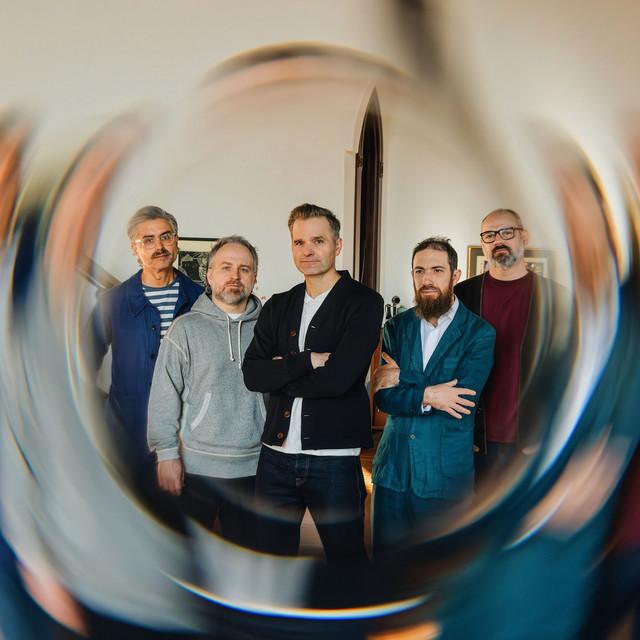
Death Cab for Cutie

Rock
Alternative Rock
Indie Rock
 Viberate Rank: 4471
 Viberate Rank: 4471
 Monthly ListenersFollowers
 Subscribers
 Followers
 Followers
 FansTop Spotify Songs
| Track | 7-Day Streams | |
|---|---|---|
1 | 427.76K | |
2 | 307.77K | |
3 | 122.28K | |
4 | 99.87K | |
5 | 93.51K |
Top YouTube Videos| Video | 7-Day Views | |
|---|---|---|
1 | 36.06K | |
2 | 14.95K | |
3 | 12.03K | |
4 | 9.44K | |
5 | 7.34K |
Monthly ListenersFeatured in Playlists| Playlist | Followers | |
|---|---|---|
1 |  Warm Fuzzy Feeling Spotify | 3.97M |
2 |  Acoustic Hits: Oldies but Goodies Spotify | 3.83M |
3 |  Acoustic Chill Spotify | 2.08M |
4 |  Emo Forever Spotify | 1.94M |
5 |  Hanging Out & Relaxing Spotify | 1.67M |
Audience| City | Monthly Listeners | |
|---|---|---|
1 | | 60.00K |
2 | | 56.25K |
3 | | 51.60K |
4 |  | 39.35K |
5 | | 36.19K |
See full performance history, audience data, playlist activity, rankings, comparisons, and more in Viberate music analytics. Start with a free trial, then continue with a paid plan.
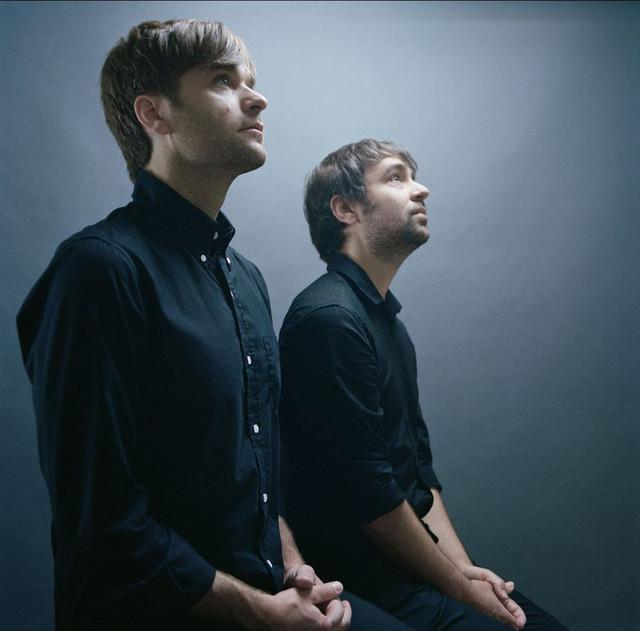
Death Cab for Cutie’s Spotify BioAs one of the defining indie-rock bands of the 21st century, Death Cab for Cutie have spent the last 30 years defying every possible expectation.
Formed in 1997 in Bellingham, Washington, Death Cab for Cutie were initially the quintessential underdog college-radio act, anchored by co-founder, frontman, and lead songwriter Ben Gibbard’s achingly earnest, erudite (yet still accessible) lyricism that drew inspiration from ‘80s alternative tastemakers The Smiths, The Cure, second-wave emo progenitors Sunny Day Real Estate, lo-fi acoustic hero Elliott Smith, Northwest contemporaries Modest Mouse, and introspective rock heads Built To Spill.
Still, given the overwhelming cultural significance of the 2000s indie-rock scene, Gibbard (and his legions of young fans) had no reason to expect that DCfC, despite their instant-classic, magnetic, pop-curious melodies, would transcend this particular moment in time, one marked by a groundswell of mainstream interest in the once-tiny indie-rock… subculture.
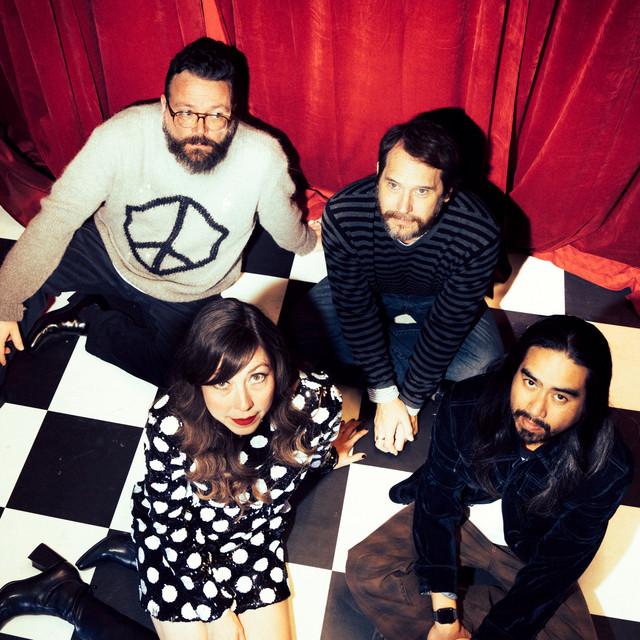
Nearly three decades after Gibbard recorded his bare-bones debut cassette, You Can Play These Songs With Chords, and completed the DCfC lineup comprising original guitarist and producer Chris Walla (later replaced by Dave Depper on guitar and Zac Rae on keyboards), bassist Nick Harmer, and drummer Jason McGerr, DCfC have grown from underground indie contenders to pillars of the modern alternative-rock landscape.
Viberate is a music analytics platform built for A&Rs, artist managers, labels, booking agents, marketers, and artists.
It helps music professionals track artist growth, analyze audience data, monitor playlist activity, compare artists, follow song performance, and identify opportunities across the music market.
Public artist pages provide a free preview of selected artist data. Paid plans provide access to deeper analytics, historical data, charts, comparisons, playlist tools, exports, alerts, reports, and additional professional features.
Yes. Public Viberate artist pages provide selected artist analytics and music data for free.
Viberate also offers a 7-day free trial of the full platform. A credit card is required to start the trial. The trial includes access to the complete product so users can test deeper artist analytics, historical views, playlist insights, comparisons, charts, exports, alerts, and reporting features before choosing a paid plan.
Viberate provides artist analytics across streaming, playlists, social media, video, radio airplay, songs, and audience markets.
Users can analyze Spotify performance, Spotify and Apple Music playlists, YouTube activity, TikTok and Instagram growth, radio spins, song performance, audience locations, demographics, rankings, and overall artist momentum.
Artist profiles also connect to music charts, similar artists, and comparison tools, helping users benchmark performance and evaluate artists in context.
Viberate updates key artist and track data daily.
For followed artists and tracks, selected data is refreshed multiple times per day. This helps teams monitor playlist changes, streaming movement, audience growth, releases, and campaign performance with more current data.
Update frequency can vary depending on the metric and data source.
Yes. Viberate lets users compare up to five artists side by side across streaming, social media, audience, and engagement metrics.
Users can compare fanbase growth, audience demographics, locations, Spotify performance, social metrics, and other artist data over selected time periods.
Artist comparison can be used for A&R scouting, benchmarking, booking decisions, campaign planning, and evaluating artists with similar audiences or market positions.