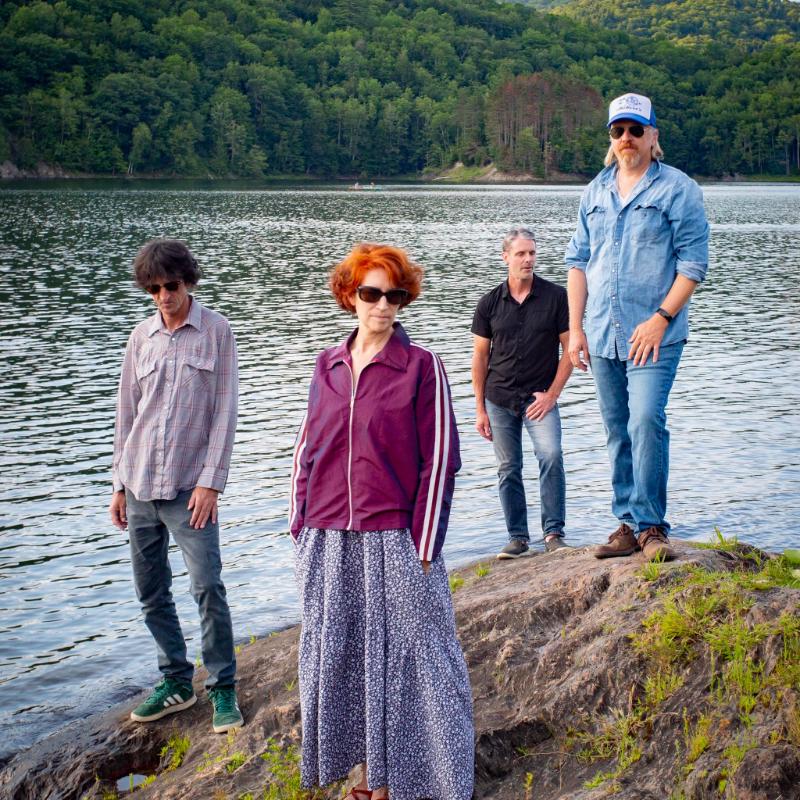
DEAN MUELLER

Country
Americana/Alt Country
 Viberate Rank: 501200
 Viberate Rank: 501200
 Monthly ListenersFollowers
 Subscribers
 Followers
 Followers
 FansTop Spotify Songs
| Track | 7-Day Streams | |
|---|---|---|
1 | 7 | |
2 | 6 | |
3 | 5 | |
4 | 4 | |
5 | 2 |
Top YouTube VideosMonthly ListenersFeatured in Playlists| Playlist | Followers | |
|---|---|---|
1 | Humbe | ENTROPÍA Luna Allison | 8.64K |
2 |  Rock Euphoria Hurtful Memories | 2.06K |
3 |  Rock Beats haunting hymns | 2.02K |
4 |  Metal and Rock Gate Meditative Musings | 2.01K |
5 |  Rock Salute Ethereal Enigma | 1.89K |
Audience| City | Monthly Listeners | |
|---|---|---|
1 | | 4 |
2 |  | 3 |
See full performance history, audience data, playlist activity, rankings, comparisons, and more in Viberate music analytics. Start with a free trial, then continue with a paid plan.
DEAN MUELLER’s Spotify BioDean Mueller’s upcoming album, Wishes Never Gone (November 2024), marks a new chapter in his musical evolution. Produced by Kevin McKendree and featuring members of John Prine’s band, including Jason Wilber, the album blends Americana, folk, and blues into songs that tell honest, heartfelt stories. Tracks like "I Don’t Live There Anymore" and "Believe" showcase Dean’s growth as a songwriter, reflecting on life’s pivotal moments with warmth and vulnerability.
Inspired by John Prine, Dean’s music captures life’s ups and downs with a touch of humor and nostalgia. His songs, like the poignant "Teach No Lies" and the playful "Fireflies," connect deeply with listeners.
Dean's transformation from bass player to frontman began with his debut solo album, Life Ain’t All Roses (2023), highlighting his storytelling rooted in blues and folk. Now based in Bend, Oregon, Dean continues to carve his own path, crafting songs that resonate with authenticity and hope.
“Dean’s music is deceivingly simple… sounding. The words, emotions, and the cinematic worlds he creates get embossed onto your heart and mind, and you can’t forget them,” says two-time Emmy® Award-winning composer, music supervisor, and record executive Michael Whalen.
Viberate is a music analytics platform built for A&Rs, artist managers, labels, booking agents, marketers, and artists.
It helps music professionals track artist growth, analyze audience data, monitor playlist activity, compare artists, follow song performance, and identify opportunities across the music market.
Public artist pages provide a free preview of selected artist data. Paid plans provide access to deeper analytics, historical data, charts, comparisons, playlist tools, exports, alerts, reports, and additional professional features.
Yes. Public Viberate artist pages provide selected artist analytics and music data for free.
Viberate also offers a 7-day free trial of the full platform. A credit card is required to start the trial. The trial includes access to the complete product so users can test deeper artist analytics, historical views, playlist insights, comparisons, charts, exports, alerts, and reporting features before choosing a paid plan.
Viberate provides artist analytics across streaming, playlists, social media, video, radio airplay, songs, and audience markets.
Users can analyze Spotify performance, Spotify and Apple Music playlists, YouTube activity, TikTok and Instagram growth, radio spins, song performance, audience locations, demographics, rankings, and overall artist momentum.
Artist profiles also connect to music charts, similar artists, and comparison tools, helping users benchmark performance and evaluate artists in context.
Viberate updates key artist and track data daily.
For followed artists and tracks, selected data is refreshed multiple times per day. This helps teams monitor playlist changes, streaming movement, audience growth, releases, and campaign performance with more current data.
Update frequency can vary depending on the metric and data source.
Yes. Viberate lets users compare up to five artists side by side across streaming, social media, audience, and engagement metrics.
Users can compare fanbase growth, audience demographics, locations, Spotify performance, social metrics, and other artist data over selected time periods.
Artist comparison can be used for A&R scouting, benchmarking, booking decisions, campaign planning, and evaluating artists with similar audiences or market positions.