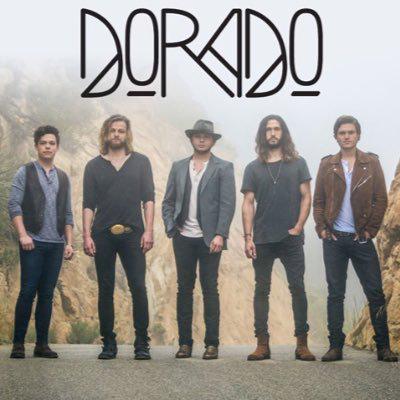
Dean Alexander

Country
Contemporary Country
Folk Rock
 Viberate Rank: 444332
 Viberate Rank: 444332
 Monthly ListenersFollowers
 Subscribers
 Followers
 Followers
 FansTop Spotify Songs
| Track | 7-Day Streams | |
|---|---|---|
1 | 555 | |
2 | 261 | |
3 | 81 | |
4 | 5 | |
5 | 1 |
Top YouTube VideosMonthly ListenersFeatured in Playlists| Playlist | Followers | |
|---|---|---|
1 |  New Country 2026 Travis James | 82.67K |
2 | Todays Country Hits 2024 dansantry95 | 33.52K |
3 | perfect70cb | 11.44K |
4 | Sammy Michelle Brito | 10.37K |
5 |  Hart of Dixie Soundtrack electricsoul 🐦⬛ | 6.32K |
Audience| City | Monthly Listeners | |
|---|---|---|
1 |  | 51 |
2 | | 45 |
3 | | 34 |
4 | | 28 |
5 | | 22 |
See full performance history, audience data, playlist activity, rankings, comparisons, and more in Viberate music analytics. Start with a free trial, then continue with a paid plan.
Dean Alexander’s Spotify BioBlessed with a strong voice, good looks, and a knack for songwriting, Dean Alexander found his star rising in Nashville when, after years of struggle, his single "Live a Little" began making its way up the country charts in the summer of 2014. Dean Alexander hails from the Midwest; he was born in Parkersburg, West Virginia, and spent most of his childhood in nearby Tuppers Plains, Ohio. When he was ten years old, Alexander picked up a copy of the album This Time by Dwight Yoakam; as Alexander puts it, he "freaked out over it," and he soon developed a strong taste for country music. Alexander also cites Chris Isaak, Elvis Presley, and Jerry Lee Lewis as personal favorites, and admits to having a soft spot for vintage surf music, especially the Ventures. By the time he was 12, Alexander had started playing guitar and was writing his first songs. In 2006, Alexander pulled up stakes and moved to Nashville with just $100 in his pocket, working odd jobs by day and playing honky tonks by… night. Alexander's big break came unexpectedly when he was working for a landscaping firm; one day, he was shoveling fertilizer onto a customer's lawn when they pointed out that Dean's cowboy boots and white jeans hardly looked like a experienced gardener's work clothes. Alexander admitted that he was an aspiring musician and learned he was at the home of Barbara Orbison, the wife and business manager of the late Roy Orbison; Barbara soon signed Dean to his first publishing deal. A few years later, after Alexander landed a songwriting deal with Stage Three Music, he crossed paths with producer Scott Hendricks. Hendricks recognized Alexander's talent, and with his help Dean scored a recording contract with Elektra Nashville. One of his first releases for the label was the 2012 single "Dangerous," which was used on the short-lived television series GCB, while another single, "Sunshine on my Rain," appeared in the spring of 2013. Alexander began making good on his hard work when "Live a Little," a country tune with a reggae undertow, debuted on the Billboard country charts in late July 2014. ~ Mark Deming, Rovi
Viberate is a music analytics platform built for A&Rs, artist managers, labels, booking agents, marketers, and artists.
It helps music professionals track artist growth, analyze audience data, monitor playlist activity, compare artists, follow song performance, and identify opportunities across the music market.
Public artist pages provide a free preview of selected artist data. Paid plans provide access to deeper analytics, historical data, charts, comparisons, playlist tools, exports, alerts, reports, and additional professional features.
Yes. Public Viberate artist pages provide selected artist analytics and music data for free.
Viberate also offers a 7-day free trial of the full platform. A credit card is required to start the trial. The trial includes access to the complete product so users can test deeper artist analytics, historical views, playlist insights, comparisons, charts, exports, alerts, and reporting features before choosing a paid plan.
Viberate provides artist analytics across streaming, playlists, social media, video, radio airplay, songs, and audience markets.
Users can analyze Spotify performance, Spotify and Apple Music playlists, YouTube activity, TikTok and Instagram growth, radio spins, song performance, audience locations, demographics, rankings, and overall artist momentum.
Artist profiles also connect to music charts, similar artists, and comparison tools, helping users benchmark performance and evaluate artists in context.
Viberate updates key artist and track data daily.
For followed artists and tracks, selected data is refreshed multiple times per day. This helps teams monitor playlist changes, streaming movement, audience growth, releases, and campaign performance with more current data.
Update frequency can vary depending on the metric and data source.
Yes. Viberate lets users compare up to five artists side by side across streaming, social media, audience, and engagement metrics.
Users can compare fanbase growth, audience demographics, locations, Spotify performance, social metrics, and other artist data over selected time periods.
Artist comparison can be used for A&R scouting, benchmarking, booking decisions, campaign planning, and evaluating artists with similar audiences or market positions.