Deaf School

Rock
Pop Rock
Alternative Rock
 Viberate Rank: 380416
 Viberate Rank: 380416
 Monthly ListenersFollowers
 Subscribers
 Followers
 Followers
 FansTop Spotify Songs
| Track | 7-Day Streams | |
|---|---|---|
1 | 435 | |
2 | 219 | |
3 | 182 | |
4 | 153 | |
5 | 146 |
Top YouTube VideosMonthly ListenersFeatured in Playlists| Playlist | Followers | |
|---|---|---|
1 |  Brassic Official Playlist - Every Bangin' Track S1-S7 Sky | 12.48K |
2 |  Off Your Face anton newcombe | 5.86K |
3 |  vivi vibrations halo_0039 | 5.22K |
4 |  xylophone music underground John Moore | 1.41K |
5 |  Waning Light Mix Blitzen Trapper | 1.36K |
Audience| City | Monthly Listeners | |
|---|---|---|
1 | | 111 |
2 | | 92 |
3 | | 92 |
4 | | 28 |
5 | | 24 |
See full performance history, audience data, playlist activity, rankings, comparisons, and more in Viberate music analytics. Start with a free trial, then continue with a paid plan.
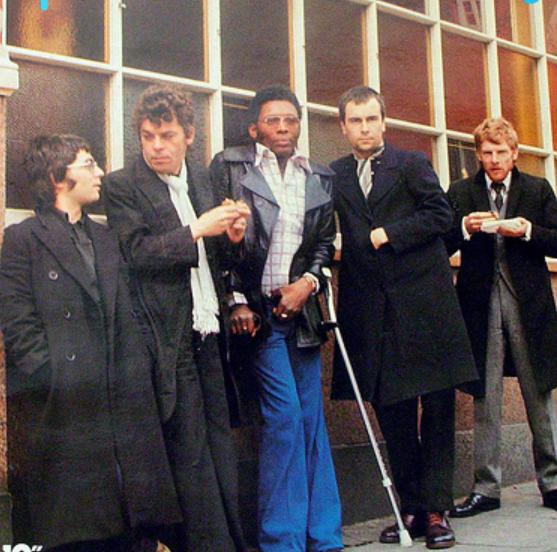
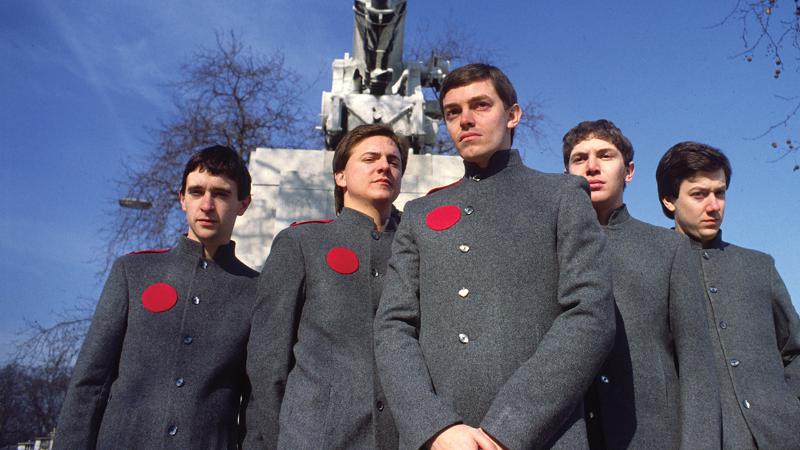
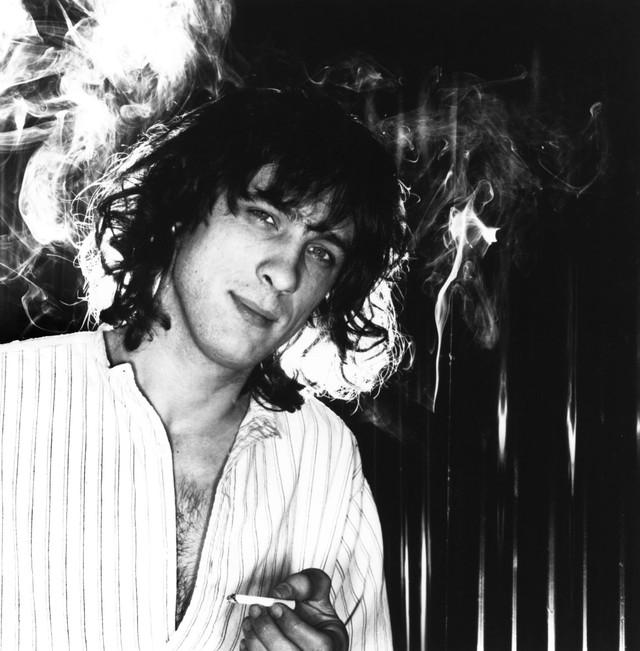
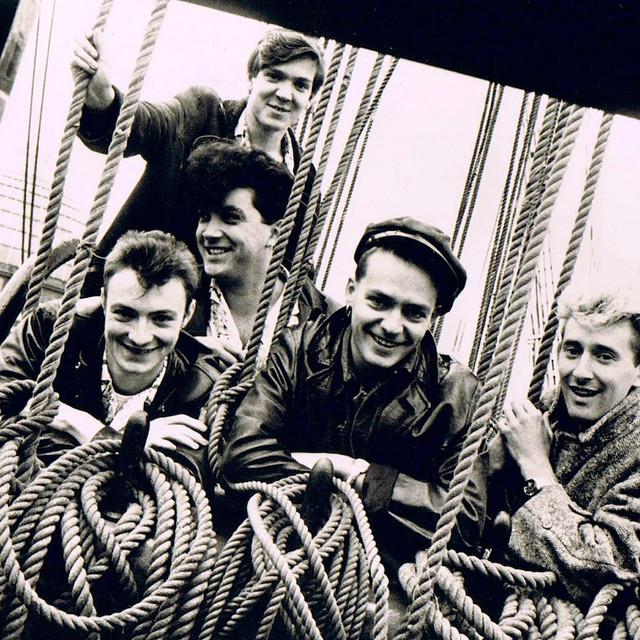
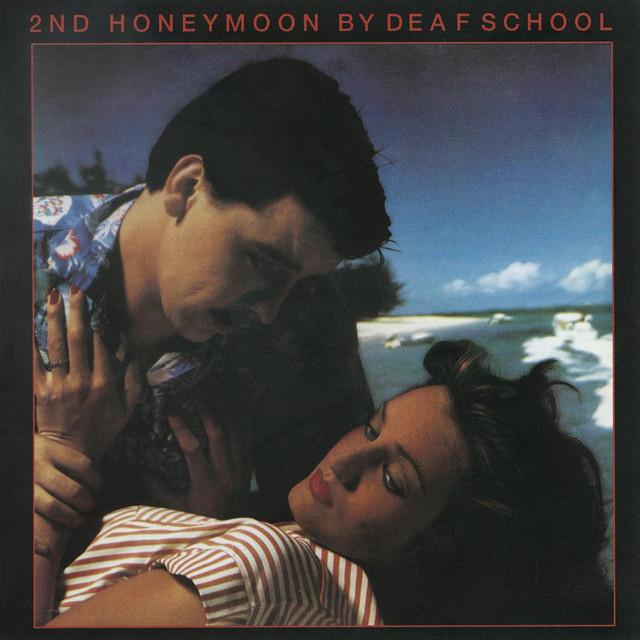
Deaf School’s Spotify BioThe Liverpool, England art rock band Deaf School turned to the Tin Pan Alley sound, not punk, as an alternative to the commercial music of the ‘70s. Formed in 1976 by Steve Allen (vocals), Bette Bright (vocals), Clive Langer (guitar, piano), Max Ripple (keyboards, accordion), Steve Lindsey (bass, piano, vocals), Timothy Whittaker (drums), Ian Ritchie (sax), Eric Shark (vocals), and Paul Pilnick (guitar, accordion, bass, banjo). Deaf School made their debut with a double album, 2nd Honeymoon. Influenced by Cole Porter, Rodgers and Hart, and Kurt Weill, 2nd Honeymoon was an ambitious exception to the late ‘70s U.K. pop scene caught in a wave of punk. Deaf School recorded two more LPs of damn-the-mainstream eclecticism – 1977's Don't Stop the World and 1978's English Boys/Working Girls – and then broke up. Allen, who was calling himself Enrico Cadillac with Deaf School, formed Original Mirrors with Ian Broudie of Care and the Lightning Seeds; Langer, backed by the Boxes, went solo; Bright… released an album with the Illuminations (also featuring Langer and Broudie; and Lindsey created the Planets. Langer became more well known as a producer with his partner Alan Winstanley, working on records by Madness, Elvis Costello, China Crisis, Tim Finn, and Morrissey. ~ Michael Sutton, Rovi
Viberate is a music analytics platform built for A&Rs, artist managers, labels, booking agents, marketers, and artists.
It helps music professionals track artist growth, analyze audience data, monitor playlist activity, compare artists, follow song performance, and identify opportunities across the music market.
Public artist pages provide a free preview of selected artist data. Paid plans provide access to deeper analytics, historical data, charts, comparisons, playlist tools, exports, alerts, reports, and additional professional features.
Yes. Public Viberate artist pages provide selected artist analytics and music data for free.
Viberate also offers a 7-day free trial of the full platform. A credit card is required to start the trial. The trial includes access to the complete product so users can test deeper artist analytics, historical views, playlist insights, comparisons, charts, exports, alerts, and reporting features before choosing a paid plan.
Viberate provides artist analytics across streaming, playlists, social media, video, radio airplay, songs, and audience markets.
Users can analyze Spotify performance, Spotify and Apple Music playlists, YouTube activity, TikTok and Instagram growth, radio spins, song performance, audience locations, demographics, rankings, and overall artist momentum.
Artist profiles also connect to music charts, similar artists, and comparison tools, helping users benchmark performance and evaluate artists in context.
Viberate updates key artist and track data daily.
For followed artists and tracks, selected data is refreshed multiple times per day. This helps teams monitor playlist changes, streaming movement, audience growth, releases, and campaign performance with more current data.
Update frequency can vary depending on the metric and data source.
Yes. Viberate lets users compare up to five artists side by side across streaming, social media, audience, and engagement metrics.
Users can compare fanbase growth, audience demographics, locations, Spotify performance, social metrics, and other artist data over selected time periods.
Artist comparison can be used for A&R scouting, benchmarking, booking decisions, campaign planning, and evaluating artists with similar audiences or market positions.