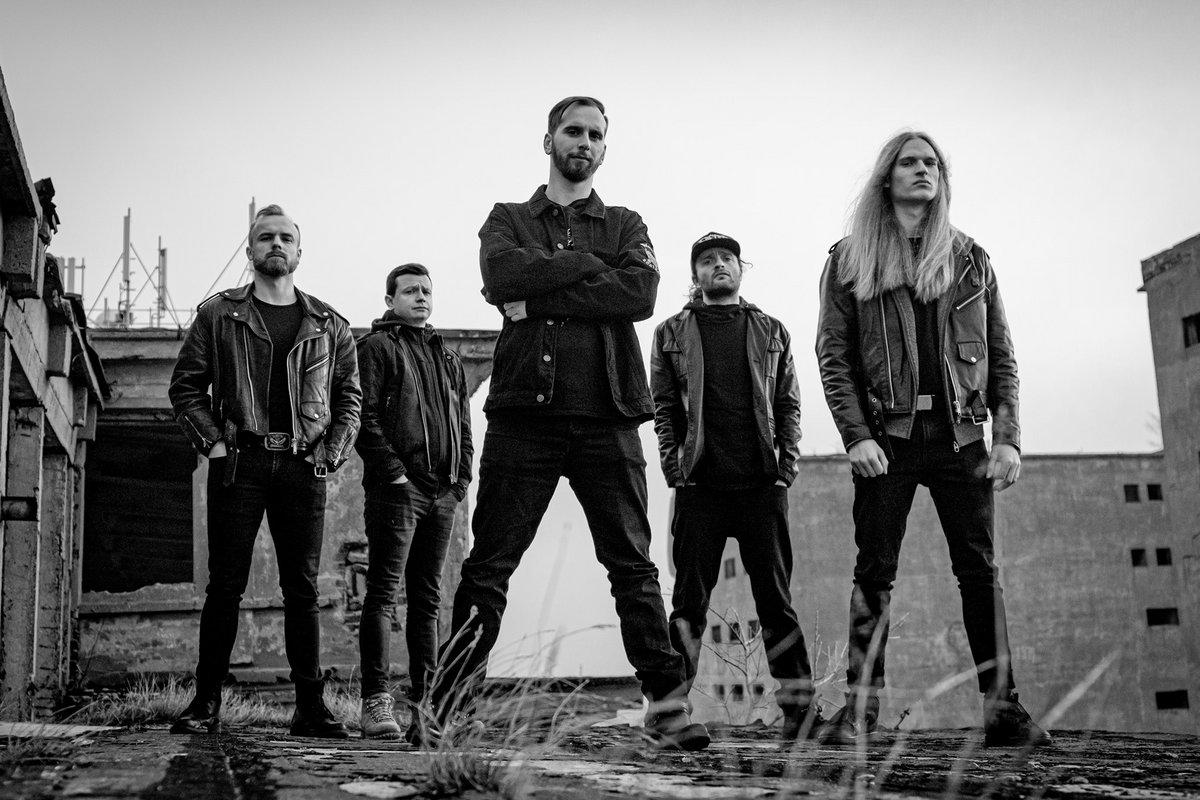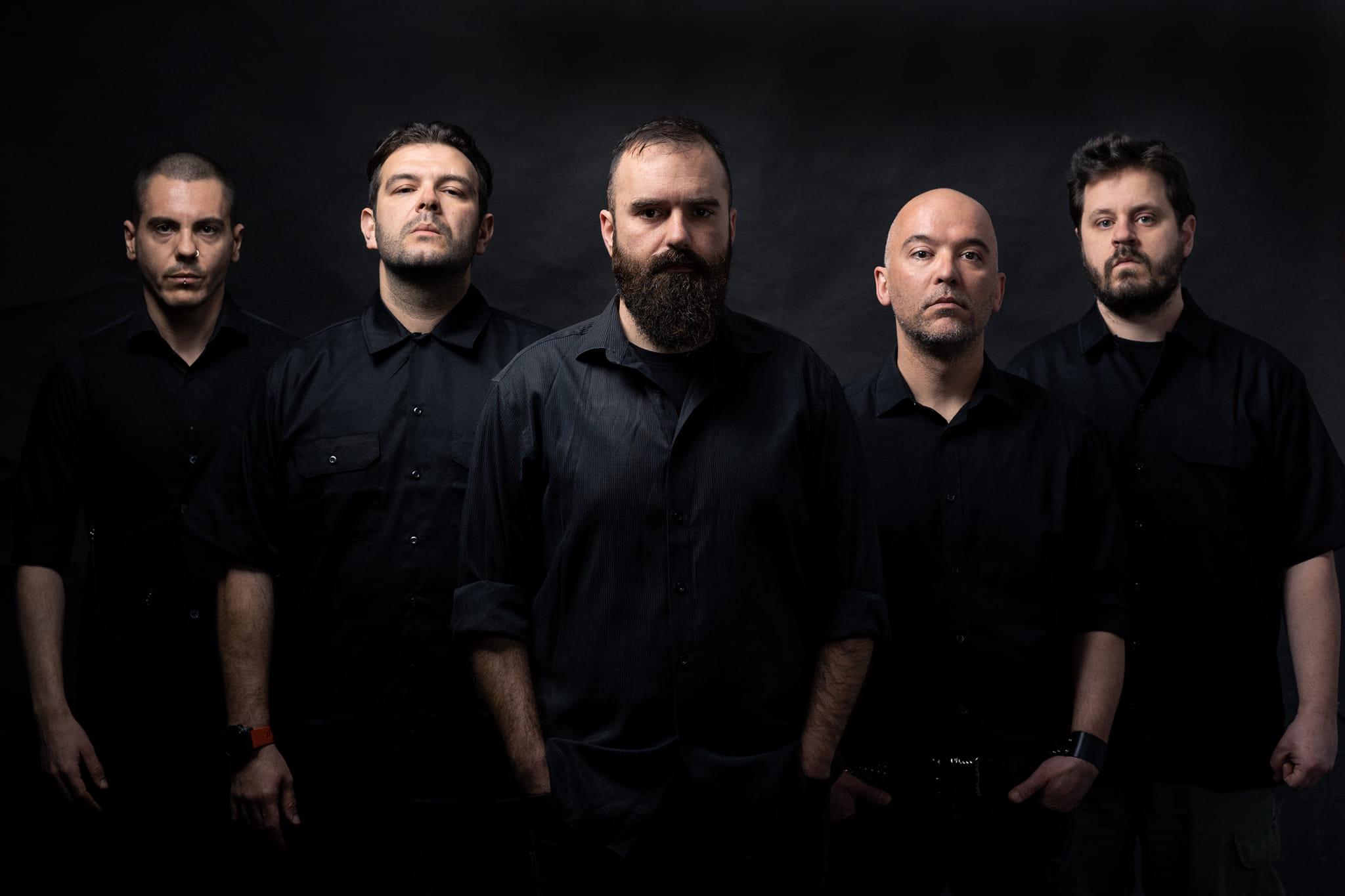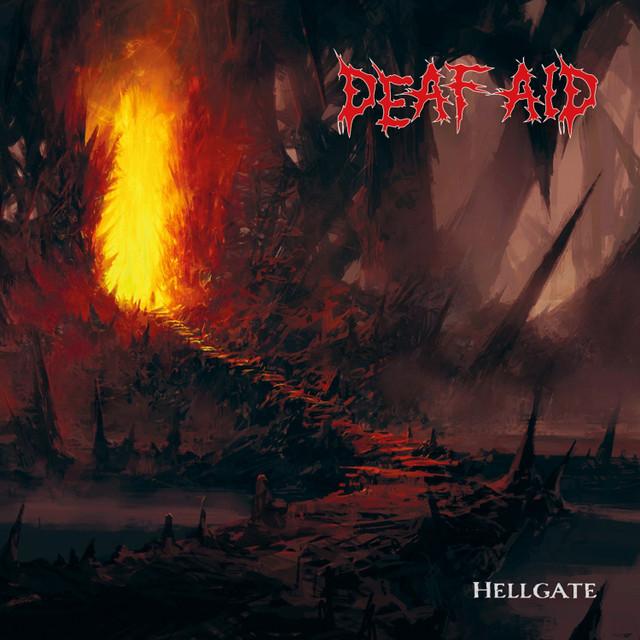
Deaf Aid

Metal
Death Metal
Thrash Metal
 Viberate Rank: 469265
 Viberate Rank: 469265
 Monthly ListenersFollowers
 Subscribers
 Followers
 Followers
 FansTop Spotify Songs
| Track | 7-Day Streams | |
|---|---|---|
1 | 23 | |
2 | 13 | |
3 | 11 | |
4 | 9 | |
5 | 6 |
Top YouTube VideosMonthly ListenersFeatured in Playlists| Playlist | Followers | |
|---|---|---|
1 |  New Metal Playlist - Cutting Edge Metal Cutting Edge Metal | 17.19K |
2 |  Death Metal 2026 New Releases Cutting Edge Metal | 8.49K |
3 |  New Wave Of Thrash Metal Andrew Saalmann | 4.41K |
4 |  New Metal - 2026 bagirmalimuzik | 3.04K |
5 |  Headbangers Brazil Roadie Metal | 2.29K |
Audience| City | Monthly Listeners | |
|---|---|---|
1 | | 20 |
2 | | 18 |
3 | | 11 |
4 | | 9 |
5 | | 5 |
See full performance history, audience data, playlist activity, rankings, comparisons, and more in Viberate music analytics. Start with a free trial, then continue with a paid plan.
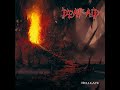
Deaf Aid’s Spotify BioThe Band DEAF AID was founded 1989 in Freiburg, Germany. So the roots of DEAF AID go back to the late 80’s but the actual and relevant formation started in 2006 and performed many concerts and played festivals since then. DEAF AID plays death metal, but is open to other influences as well, which shows in many cross-stylistic elements in their tracks. Like a lava flow that pushes itself with power to the earth's surface and after a violent eruption it rolls everything down. DEAF AID's sound hits the listener in the gut with guitar-heavy, powerful riffing, rhythmically applied noise effects and driving beats. The vocals are deep, death metal-typical, direct and mercilessly unadulterated. The overall picture results in an aggressive, brutal and sometimes melancholic-disharmonic sound. Some lyrics deal with socio-critical topics, others tell fictional stories from the genre of horror literature. DEAF AID played numerous regional and national concerts and festivals with Powerwolf, Disbelief… and Master, among others. The full-length album 'Hellgate' was released in May 2023.
Viberate is a music analytics platform built for A&Rs, artist managers, labels, booking agents, marketers, and artists.
It helps music professionals track artist growth, analyze audience data, monitor playlist activity, compare artists, follow song performance, and identify opportunities across the music market.
Public artist pages provide a free preview of selected artist data. Paid plans provide access to deeper analytics, historical data, charts, comparisons, playlist tools, exports, alerts, reports, and additional professional features.
Yes. Public Viberate artist pages provide selected artist analytics and music data for free.
Viberate also offers a 7-day free trial of the full platform. A credit card is required to start the trial. The trial includes access to the complete product so users can test deeper artist analytics, historical views, playlist insights, comparisons, charts, exports, alerts, and reporting features before choosing a paid plan.
Viberate provides artist analytics across streaming, playlists, social media, video, radio airplay, songs, and audience markets.
Users can analyze Spotify performance, Spotify and Apple Music playlists, YouTube activity, TikTok and Instagram growth, radio spins, song performance, audience locations, demographics, rankings, and overall artist momentum.
Artist profiles also connect to music charts, similar artists, and comparison tools, helping users benchmark performance and evaluate artists in context.
Viberate updates key artist and track data daily.
For followed artists and tracks, selected data is refreshed multiple times per day. This helps teams monitor playlist changes, streaming movement, audience growth, releases, and campaign performance with more current data.
Update frequency can vary depending on the metric and data source.
Yes. Viberate lets users compare up to five artists side by side across streaming, social media, audience, and engagement metrics.
Users can compare fanbase growth, audience demographics, locations, Spotify performance, social metrics, and other artist data over selected time periods.
Artist comparison can be used for A&R scouting, benchmarking, booking decisions, campaign planning, and evaluating artists with similar audiences or market positions.