Deadbird

Metal
Doom/Sludge Metal
 Viberate Rank: 366436
 Viberate Rank: 366436
 Monthly ListenersFollowers
 Subscribers
 Followers
 Followers
 FansTop Spotify Songs
| Track | 7-Day Streams | |
|---|---|---|
1 | 96 | |
2 | 92 | |
3 | 82 | |
4 | 56 | |
5 | 27 |
Top YouTube Videos| Video | 7-Day Views | |
|---|---|---|
1 | 2 | |
2 | 1 |
Monthly ListenersFeatured in Playlists| Playlist | Followers | |
|---|---|---|
1 |  Ultimate Sludge Metal Loudwire | 30.11K |
2 |  Stoner Metal The Brick | 21.40K |
3 | Powerviolence/Thrashcore/Fastcore//Grind/HxC/Sludge/ part 1- Crush Kill Destroy!!! Daniel Tiderman | 1.28K |
4 |  20 Buck Spin Album Preview Tracks 20buckspinlabel | 1.16K |
Audience| City | Monthly Listeners | |
|---|---|---|
1 | | 11 |
2 | | 11 |
3 |  | 10 |
4 | | 10 |
5 |  | 8 |
See full performance history, audience data, playlist activity, rankings, comparisons, and more in Viberate music analytics. Start with a free trial, then continue with a paid plan.
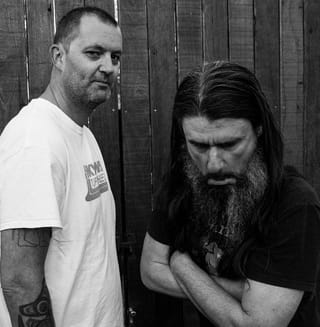
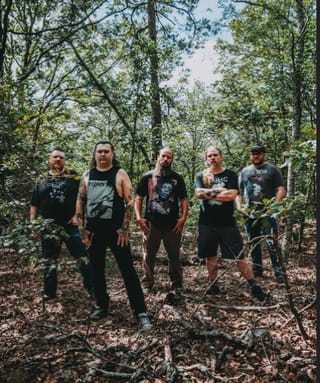
Deadbird’s Spotify BioOriginally formed in 2002 by brothers Chuck (vocals/guitars) and Philip Schaaf (drums), Deadbird is an adventurous doom/sludge band from Fayetteville, AR, that also dabbles in hardcore, death, and progressive metal elements, as evidenced on their 2005 debut, The Head and the Heart. The album also featured guitarist/vocalist Alan Short and bassist Todd Bohannon, both of whom would leave during the recording of Deadbird's sophomore effort in late 2006, delaying the process by over a year as the Schaafs sought and eventually found replacements in guitarist Jay Minish and bassist/vocalist Reid Raley. Coincidentally, the latter is also a full-time member of Arkansas' chicken-fried prog-sludge top dogs, Rwake -- a band Chuck Schaaf was briefly involved with himself in 2002 -- therefore eliciting frequent (and not incorrect) comparisons between the two bands' sounds, although Deadbird's compositional talents more than justify their existence. ~ Eduardo Rivadavia, Rovi
Viberate is a music analytics platform built for A&Rs, artist managers, labels, booking agents, marketers, and artists.
It helps music professionals track artist growth, analyze audience data, monitor playlist activity, compare artists, follow song performance, and identify opportunities across the music market.
Public artist pages provide a free preview of selected artist data. Paid plans provide access to deeper analytics, historical data, charts, comparisons, playlist tools, exports, alerts, reports, and additional professional features.
Yes. Public Viberate artist pages provide selected artist analytics and music data for free.
Viberate also offers a 7-day free trial of the full platform. A credit card is required to start the trial. The trial includes access to the complete product so users can test deeper artist analytics, historical views, playlist insights, comparisons, charts, exports, alerts, and reporting features before choosing a paid plan.
Viberate provides artist analytics across streaming, playlists, social media, video, radio airplay, songs, and audience markets.
Users can analyze Spotify performance, Spotify and Apple Music playlists, YouTube activity, TikTok and Instagram growth, radio spins, song performance, audience locations, demographics, rankings, and overall artist momentum.
Artist profiles also connect to music charts, similar artists, and comparison tools, helping users benchmark performance and evaluate artists in context.
Viberate updates key artist and track data daily.
For followed artists and tracks, selected data is refreshed multiple times per day. This helps teams monitor playlist changes, streaming movement, audience growth, releases, and campaign performance with more current data.
Update frequency can vary depending on the metric and data source.
Yes. Viberate lets users compare up to five artists side by side across streaming, social media, audience, and engagement metrics.
Users can compare fanbase growth, audience demographics, locations, Spotify performance, social metrics, and other artist data over selected time periods.
Artist comparison can be used for A&R scouting, benchmarking, booking decisions, campaign planning, and evaluating artists with similar audiences or market positions.