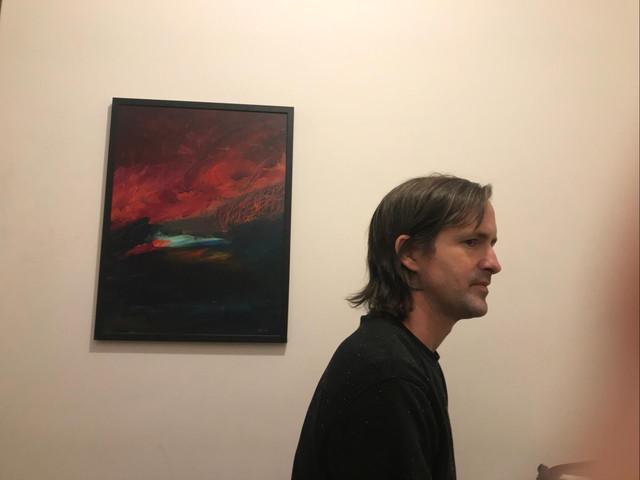
Deadbeat

Electronic
Techno
Dub Techno
 Viberate Rank: 157352
 Viberate Rank: 157352
 Monthly ListenersFollowers
 Subscribers
 Followers
 Followers
 FansTop Spotify Songs
| Track | 7-Day Streams | |
|---|---|---|
1 | 1.67K | |
2 | 1.57K | |
3 | 1.22K | |
4 | 634 | |
5 | 616 |
Top YouTube VideosMonthly ListenersFeatured in Playlists| Playlist | Followers | |
|---|---|---|
1 |  🌈 LSD | ACID | peaceful | psychedelic | good vibes | trippy | happy 🌈 nerogee | 140.59K |
2 |  The Total Mixtape Ayhan Can Sezer | 29.57K |
3 | Audiophile Lossless Reference Hi-Fi Test Music schwedenkreuz | 23.96K |
4 |  soft techno lara | 22.68K |
5 |  Dub Techno Jimmy Ghaderi | 22.37K |
Audience| City | Monthly Listeners | |
|---|---|---|
1 |  | 1.13K |
2 |  | 848 |
3 |  | 606 |
4 | | 460 |
5 |  | 459 |
See full performance history, audience data, playlist activity, rankings, comparisons, and more in Viberate music analytics. Start with a free trial, then continue with a paid plan.
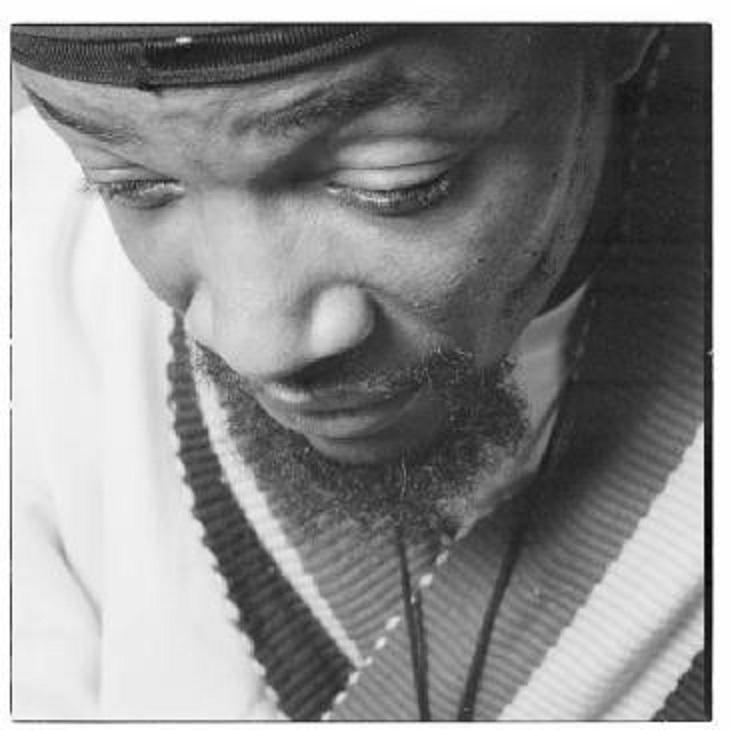
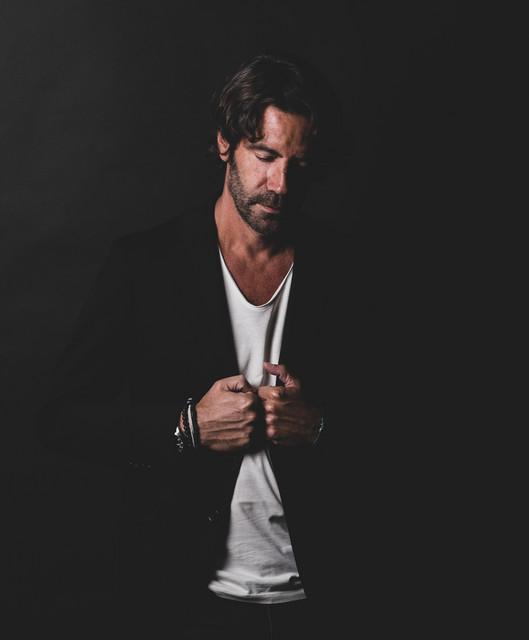
Deadbeat’s Spotify BioCanadian-born electronic musician and music technology educator Deadbeat (Scott Monteith) produces and performs a wide variety of sounds rooted in the Jamaican dub tradition. Initially associated with Montreal's fertile electronic scene, he first made an impact with abstract dub albums such as 2002's Wild Life Documentaries, which appeared on the renowned ~scape label run by Stefan Betke (Pole). Monteith relocated to Berlin in 2006 and began focusing more on live performances, appearing at numerous clubs and festivals throughout the world. Albums such as 2008's Roots and Wire incorporated dubstep and techno, while 2011's Drawn and Quartered was a monolithic experimental dub opus. While Deadbeat released numerous club-friendly 12"s throughout the 2010s, the majority of his full-lengths during the decade were vocal-heavy collaborations, ranging from 2014's The Infinity Dub Sessions (with reggae singer Paul St. Hilaire) to 2019's Trinity Thirty (with Camara), a reinterpretation of Cowboy… Junkies' The Trinity Session.
Originally from Kitchener, Ontario, Monteith moved to Montreal in late 1996 and quickly became enthralled by the city's underground community of digital musicians and artists, eventually co-founding the multimedia collective Covert Ops. Working for music software developer Applied Acoustic Systems, he began recording music as Deadbeat in 1998, and started releasing minimal techno 12"s in 2000. The murky dub-techno full-length Primordia was released by Mitchell Akiyama's Intr_version label in 2001. Follow-up Wild Life Documentaries was released by ~scape in 2002, and Deadbeat contributed to that year's scene-encapsulating Montreal Smoked Meat compilation, issued by Force Inc. Monteith collaborated with Stephen Beaupré as the microhouse duo Crackhaus, debuting with 2003's It's a Crackhaus Thing (Onitor) which was succeeded by 2004's Spells Disaster (Mutek), both of which were significantly more lighthearted than Monteith's solo work.
The ~scape label remained Deadbeat's home for the 2004 release Something Borrowed, Something Blue along with 2005's New World Observer, which introduced vocals to the producer's dub-heavy sound. Journeyman's Annual from 2007 continued on this path with dancehall and dubstep figuring into the mix, while 2008's Roots and Wire -- released by the Canadian label Wagon Repair -- was more stripped-down and club-ready. A dub techno mix on The Agriculture titled Radio Rothko followed in 2010.
By 2011, ~scape was no more, but with the label as his inspiration, Monteith formed BLKRTZ and released the Deadbeat album Drawn and Quartered on the imprint that year. The project's eighth official studio effort, simply titled Eight, arrived on BLKRTZ in 2012 with guest appearances from Dandy Jack, Mathew Jonson, and Danuel Tate. The Infinity Dub Sessions, a full collaboration with vocalist Paul St. Hilaire, was released in 2014. Additionally, Deadbeat's first three full-lengths for ~scape were remastered and issued as LPs 2002-2005. Walls & Dimensions, featuring guests such as Fink and Howie B, landed in 2015, with an instrumental version following the next year. Following a 2017 BLKRTZ reissue of Roots and Wire, as well as singles such as Our Rotten Roots (on Echocord Colour), Deadbeat released the full-length Wax Poetic for This Our Great Resolve, featuring spoken word contributions from guests such as Gudrun Gut and Thomas Fehlmann, in 2018. A more straightforward dub reggae single titled "Wail Ball & Cry" followed shortly afterward, and dub-techno full-length Waking Life appeared at the end of the year. In 2019, Deadbeat and Camara (a fellow Canadian living in Berlin) released Trinity Thirty, a full cover of Cowboy Junkies' 1988 breakthrough album The Trinity Session. ~ Jason Birchmeier & Paul Simpson, Rovi
Viberate is a music analytics platform built for A&Rs, artist managers, labels, booking agents, marketers, and artists.
It helps music professionals track artist growth, analyze audience data, monitor playlist activity, compare artists, follow song performance, and identify opportunities across the music market.
Public artist pages provide a free preview of selected artist data. Paid plans provide access to deeper analytics, historical data, charts, comparisons, playlist tools, exports, alerts, reports, and additional professional features.
Yes. Public Viberate artist pages provide selected artist analytics and music data for free.
Viberate also offers a 7-day free trial of the full platform. A credit card is required to start the trial. The trial includes access to the complete product so users can test deeper artist analytics, historical views, playlist insights, comparisons, charts, exports, alerts, and reporting features before choosing a paid plan.
Viberate provides artist analytics across streaming, playlists, social media, video, radio airplay, songs, and audience markets.
Users can analyze Spotify performance, Spotify and Apple Music playlists, YouTube activity, TikTok and Instagram growth, radio spins, song performance, audience locations, demographics, rankings, and overall artist momentum.
Artist profiles also connect to music charts, similar artists, and comparison tools, helping users benchmark performance and evaluate artists in context.
Viberate updates key artist and track data daily.
For followed artists and tracks, selected data is refreshed multiple times per day. This helps teams monitor playlist changes, streaming movement, audience growth, releases, and campaign performance with more current data.
Update frequency can vary depending on the metric and data source.
Yes. Viberate lets users compare up to five artists side by side across streaming, social media, audience, and engagement metrics.
Users can compare fanbase growth, audience demographics, locations, Spotify performance, social metrics, and other artist data over selected time periods.
Artist comparison can be used for A&R scouting, benchmarking, booking decisions, campaign planning, and evaluating artists with similar audiences or market positions.