Dead Wolvs

Metal
Metalcore/Deathcore
 Viberate Rank: 771322
 Viberate Rank: 771322
 Monthly ListenersFollowers
 Subscribers
 Followers
 Followers
 FansTop Spotify Songs
| Track | 7-Day Streams | |
|---|---|---|
1 | 26 | |
2 | 9 | |
3 | 8 | |
4 | 6 | |
5 | 5 |
Top YouTube VideosMonthly ListenersFeatured in Playlists| Playlist | Followers | |
|---|---|---|
1 |  NEW AGE CORE | Metalcore | Deathcore | Alternative Metal Alex | 7.14K |
2 |  Ohrion Reacts TikTok Kait Beach | 2.57K |
3 |  METAL FORCE Bjørn Ciggaar | 1.18K |
4 |  Youngbloods of the Scene Scene Daddy | 1.09K |
5 |  INDIE METAL The Music You Want | 1.08K |
Audience| City | Monthly Listeners | |
|---|---|---|
1 | | 4 |
2 | | 3 |
3 |  | 3 |
4 | | 3 |
5 | | 3 |
See full performance history, audience data, playlist activity, rankings, comparisons, and more in Viberate music analytics. Start with a free trial, then continue with a paid plan.
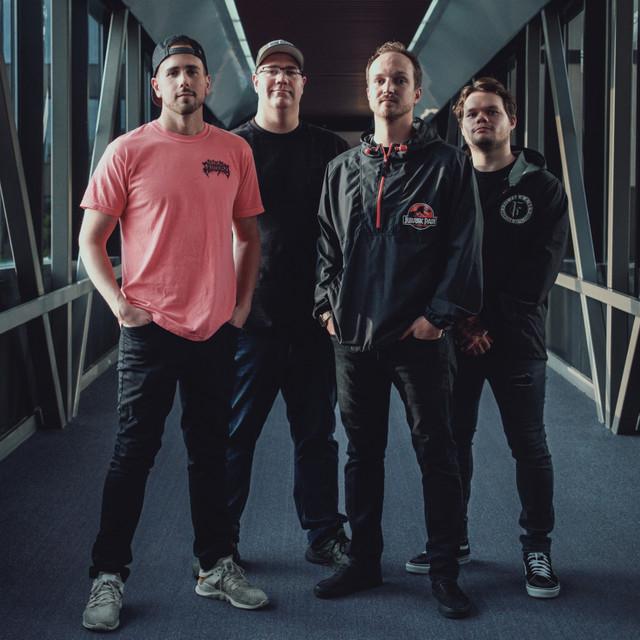
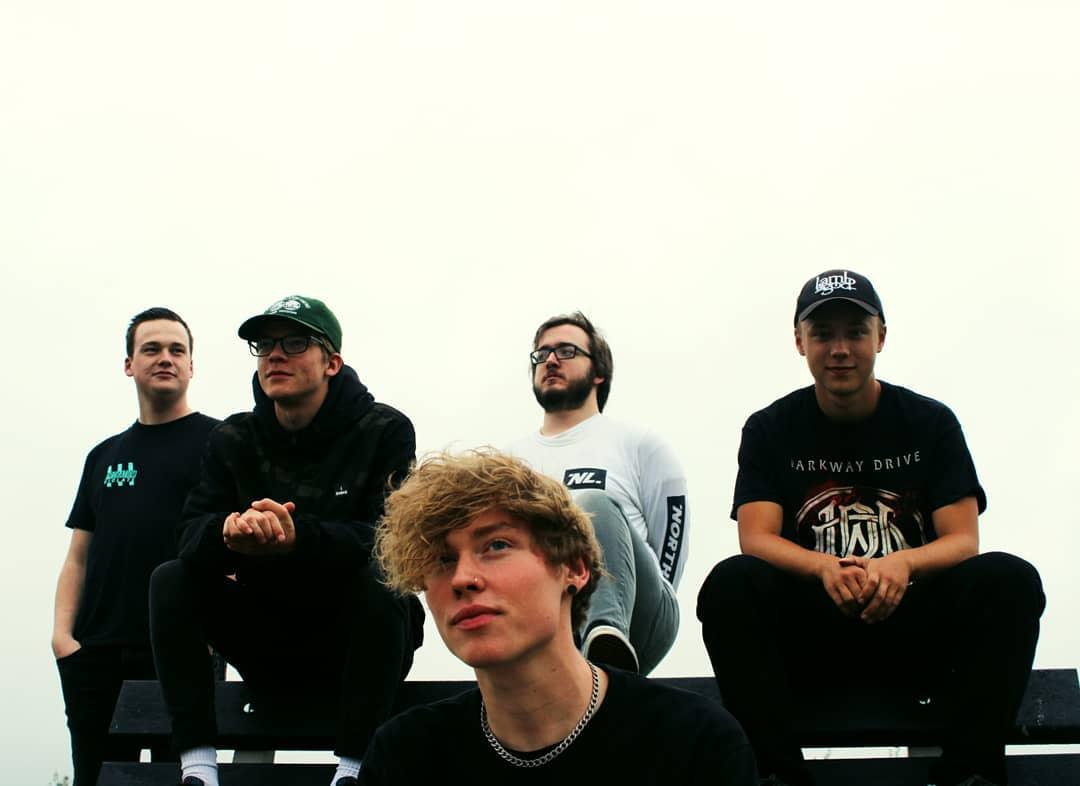
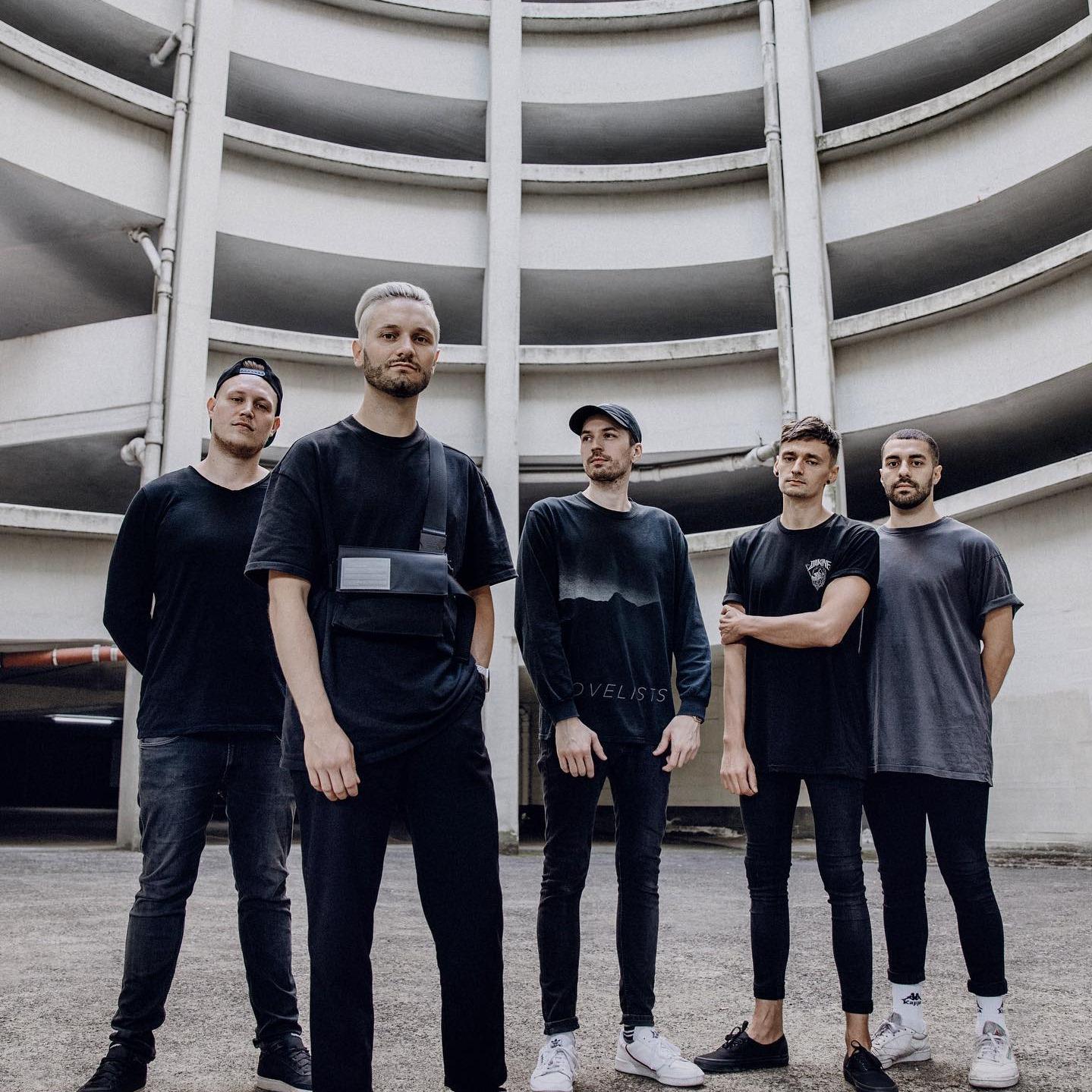
Dead Wolvs’ Spotify BioDead Wolvs are among the next evolution of heavy music acts fusing modern metalcore and melodic post-hardcore to trigger fans of early 2000s scene staples, such as Underoath and Every Time I Die. Crafting unique soundscapes rooted in nostalgic aggression, Dead Wolvs are proud to bring an innovative flair to a familiar sound on their debut 2021 album ‘What Doesn’t Kill You’. Songs like "Jane" and "Everything I Fear" set the pissed-off tone of the record with their pummelling instrumentals and raw vocal delivery, while songs like “Lost” and “Safety” introduce a reserved atmospheric tone and self-reflective lyricism that showcase the versatility this band possesses.
Formed in 2018, Illinois-based Dead Wolvs is a creative outlet of expression for each band member to break free from the shackles of past projects, emphasized by the passion and sonic aggression of their debut material. ‘What Doesn’t Kill You’ was self-recorded and produced, with collaborations from Grayson Stewart of Norma… Jean (“Everything I Fear”). Since its release, ‘What Doesn’t Kill You’ has garnered thousands of streams and provided the foundation needed for their highly acclaimed, highly energetic live performances.
Dead Wolvs are constantly one-upping themselves, while actively working on new music to follow up their impressive introduction to the scene. With new songs on the immediate horizon and a new album expected in early 2024, expect an even heavier and more aggressive version of Dead Wolvs
Viberate is a music analytics platform built for A&Rs, artist managers, labels, booking agents, marketers, and artists.
It helps music professionals track artist growth, analyze audience data, monitor playlist activity, compare artists, follow song performance, and identify opportunities across the music market.
Public artist pages provide a free preview of selected artist data. Paid plans provide access to deeper analytics, historical data, charts, comparisons, playlist tools, exports, alerts, reports, and additional professional features.
Yes. Public Viberate artist pages provide selected artist analytics and music data for free.
Viberate also offers a 7-day free trial of the full platform. A credit card is required to start the trial. The trial includes access to the complete product so users can test deeper artist analytics, historical views, playlist insights, comparisons, charts, exports, alerts, and reporting features before choosing a paid plan.
Viberate provides artist analytics across streaming, playlists, social media, video, radio airplay, songs, and audience markets.
Users can analyze Spotify performance, Spotify and Apple Music playlists, YouTube activity, TikTok and Instagram growth, radio spins, song performance, audience locations, demographics, rankings, and overall artist momentum.
Artist profiles also connect to music charts, similar artists, and comparison tools, helping users benchmark performance and evaluate artists in context.
Viberate updates key artist and track data daily.
For followed artists and tracks, selected data is refreshed multiple times per day. This helps teams monitor playlist changes, streaming movement, audience growth, releases, and campaign performance with more current data.
Update frequency can vary depending on the metric and data source.
Yes. Viberate lets users compare up to five artists side by side across streaming, social media, audience, and engagement metrics.
Users can compare fanbase growth, audience demographics, locations, Spotify performance, social metrics, and other artist data over selected time periods.
Artist comparison can be used for A&R scouting, benchmarking, booking decisions, campaign planning, and evaluating artists with similar audiences or market positions.